Israel Strikes Hezbollah, Iran Proxies in Major Offensive
Israel launched 'Operation Eternal Darkness,' striking over 100 Hezbollah targets in a swift air offensive. The operation utilized advanced F-35i Adir stealth fighters and highlighted regional tensions amid ongoing ceasefire dynamics with Iran.

Israel Launches ‘Operation Eternal Darkness’ Against Hezbollah
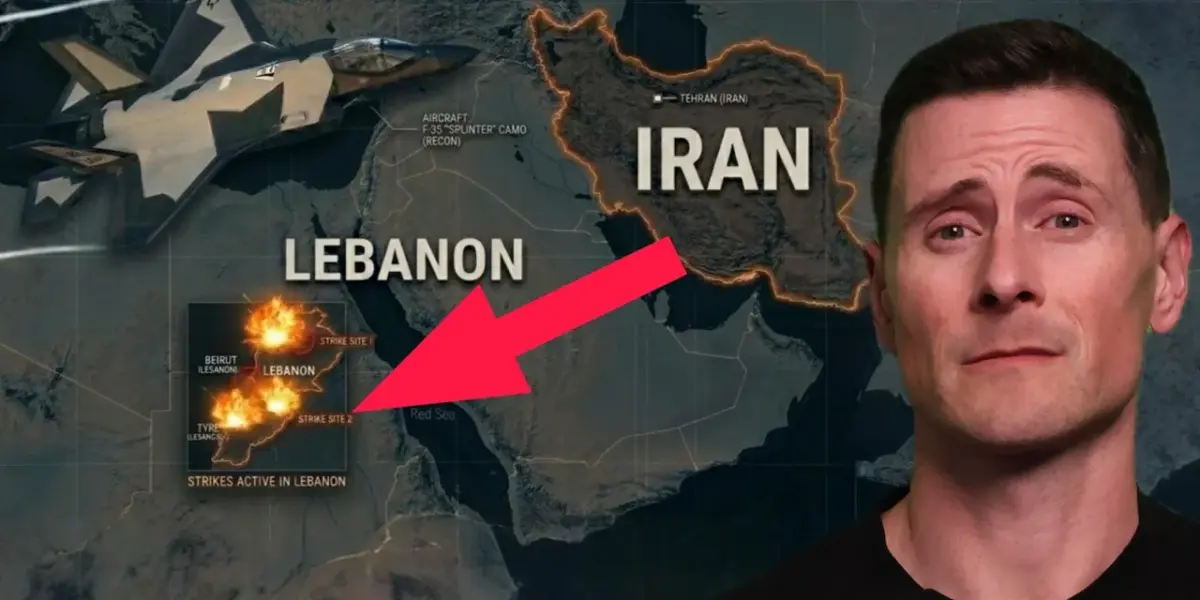
On April 8th, 2026, Israel initiated a significant military action dubbed ‘Operation Eternal Darkness.’ This large-scale air strike campaign targeted over 100 Hezbollah locations in a rapid, 10-minute offensive. The operation represents one of the most substantial strikes against the group since the ‘pager strikes’ in 2024.
Key Targets and Locations
Israeli fighter jets, reportedly including the F-35i Adir stealth fighter, conducted precision strikes. These actions focused on command centers, missile sites, and Radwan forces. The targets were located in the southern Beirut suburbs, the Beqaa Valley, and southern Lebanon. Israel stated the operation aimed to degrade Hezbollah, identified as Iran’s most capable proxy within the ‘axis of resistance.’ The strikes were designed to create a buffer zone along Israel’s northern border and neutralize long-range threats.
Hezbollah’s Tactics and Impact
Hezbollah, described as Iran’s primary proxy army, has been a significant threat, firing thousands of rockets into Israel. Reports suggest that between 182 and 250 people were killed and hundreds wounded during the recent Israeli strikes. Hezbollah is known to embed itself within civilian populations, a tactic that Israel characterizes as using human shields. This approach, according to Israeli officials, shows a disregard for Lebanese lives while the military pursues its objectives.
Advanced Israeli Air Power
The operation highlighted Israel’s advanced air capabilities, supported by American technology. The F-35i Adir, a modified F-35 with Israeli avionics and electronic warfare upgrades, was instrumental. This stealth fighter can operate in contested airspace, gather intelligence, and deliver precision strikes with minimal collateral damage. Other platforms involved included the F-15i Ra’am, a powerful strike aircraft capable of carrying heavy payloads, and the F-16i Sufa, a versatile multi-role fighter. These aircraft represent a significant technological edge provided by the US-Israeli partnership.
Broader Regional Tensions and Ceasefire Dynamics
The strikes occurred amid broader regional tensions and a fragile ceasefire with Iran. Iran had reportedly been attempting a ‘soft closure’ of the Strait of Hormuz in response to earlier Israeli actions in Lebanon. Reports emerged of UAE Mirage 2000-9 jets potentially striking Iran’s Leavon Island refinery. U.S. officials reportedly informed Iran that these refinery strikes were not linked to the United States or Israel, suggesting a potential independent action by Gulf neighbors.
US Stance and Strategic Considerations
The United States has maintained a strong military presence in the Middle East. President Trump’s administration indicated a commitment to keeping military assets in the region until a ‘real agreement’ with Iran is fully complied with, particularly concerning the Strait of Hormuz. The US approach aims to project strength, allowing allies like Israel to address Iranian proxies separately. However, the prospect of a direct US ground invasion of Iran was discussed as unlikely due to insufficient resources. Such an operation would require a significant, unhideable military buildup.
Lessons Learned and Future Outlook
Discussions with military analyst Preston Stewart, who has a background as an Army field artillery officer with deployments to Afghanistan, provided insights into potential future conflicts. Stewart emphasized the logistical challenges and troop requirements for any large-scale ground invasion, noting that current US troop numbers in the Middle East are insufficient. He also highlighted the need for low-tech defensive measures, such as nets over airfields, to counter drone threats, citing incidents where aircraft were damaged by small, inexpensive drones.
Strategic Implications
Israel’s decisive action against Hezbollah demonstrates a willingness to confront Iran’s proxy network directly, even amidst broader ceasefire talks. This approach aims to weaken Iran’s regional influence by targeting its proxies, which Iran relies on to maintain its power. The potential involvement of UAE aircraft in strikes on Iranian oil infrastructure suggests a coordinated effort among regional powers to exert pressure on Iran. The ongoing situation at the Strait of Hormuz remains a critical flashpoint, with the US maintaining a posture of readiness should diplomatic efforts fail. The success of such operations hinges on maintaining air superiority and precision strike capabilities, as showcased by Israel’s recent offensive.
Source: You WON'T BELIEVE What Israeli Fighter Jets Just Did to Iran's Proxy Force (YouTube)

Related Articles

Trump’s Ceasefire Claims Crumble Amidst Real-World Violence
Claims of a ceasefire were exposed as fabrications amidst ongoing violence, particularly in Lebanon, where a single day saw a record death toll. This situation highlights the dangers of political narratives clashing with harsh realities and questions the integrity of diplomatic pronouncements during conflict.

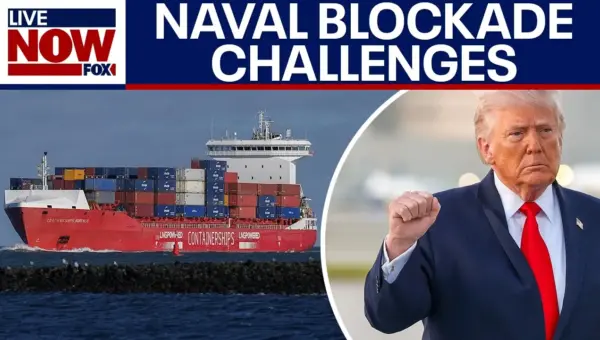
Trump Orders Iran Strait of Hormuz Blockade
President Trump has ordered an immediate U.S. Navy blockade of the Strait of Hormuz following failed negotiations with Iran. The move aims to halt all maritime traffic, but experts warn of significant risks, including potential confrontations with other nations and economic repercussions. The situation remains volatile as both sides may have used a recent ceasefire to resupply and prepare for further conflict.

Iran Threatens US Navy Amid Escalating Tensions
Iran is threatening to bomb U.S. naval ships near the Strait of Hormuz amid a significant U.S. military buildup. Diplomatic talks have stalled on key issues like nuclear enrichment and regional security, increasing the likelihood of renewed conflict.