Iran Truce Crumbles, Escalation Risks Rise
A recent ceasefire in the Persian Gulf has collapsed after less than a day, with only a handful of ships transiting the Strait of Hormuz. This failure raises concerns about renewed escalation and the effectiveness of international law in de-escalating tensions. Experts argue that targeting infrastructure, while seemingly decisive, can undermine long-term negotiation leverage and potentially backfire by strengthening the targeted regime.

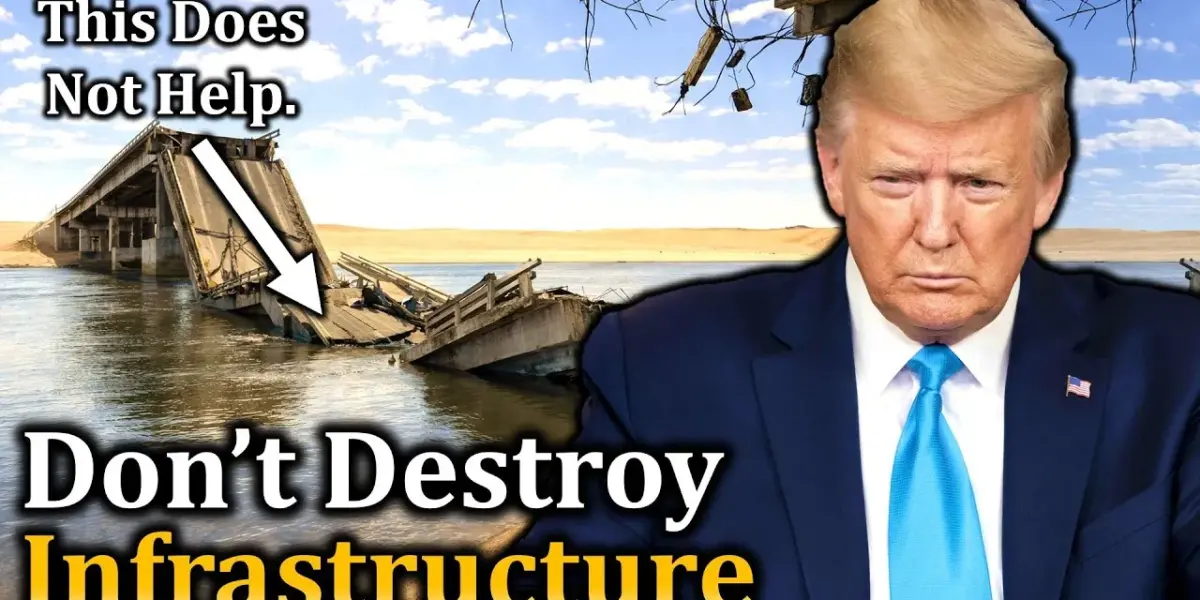
Iran Truce Crumbles, Escalation Risks Rise
A fragile truce intended to ease tensions in the Persian Gulf has quickly dissolved, raising concerns about renewed conflict. The agreement, meant to facilitate passage through the vital Strait of Hormuz, proved short-lived. Reports indicate that only five ships transited the strait on the first day of the supposed ceasefire, a decrease from the day prior. This rapid breakdown suggests that a complete collapse of the truce is likely, potentially reigniting threats of severe military action.
Rhetoric vs. Reality in International Law
Following the truce’s failure, renewed threats emerged, including claims that “a whole civilization will die tonight.” Such rhetoric, often seen on social media platforms, highlights a broader debate about the role and effectiveness of international law in modern conflicts. While many react with shock to such pronouncements, experts argue that international law often lacks practical enforcement mechanisms against powerful states.
The United Nations, for instance, does not possess an army to enforce its resolutions. Historical examples, like the U.S. involvement in Iraq under George W. Bush, demonstrate the limitations of international bodies in compelling sovereign nations. While international organizations can influence domestic laws by setting standards, their ability to directly dictate actions of major powers is often minimal. This is particularly true when governments, like the Trump administration’s Justice Department, are already exploring legal workarounds.
Appeals to international law or morality are unlikely to sway leaders who prioritize national interests or geopolitical advantage. Speeches at global forums, such as one given at Davos by Canadian Prime Minister Mark Carney, have pointed to a “rupture in the world order” where geopolitics operates with few limits. Carney noted that powerful nations have historically exempted themselves from rules when convenient, and that international law has been applied unevenly depending on who is involved.
Strategic Flaws in Targeting Infrastructure
Beyond the legal arguments, the potential strategy of destroying Iranian infrastructure, such as power plants and bridges, presents significant strategic drawbacks. Such actions, while seemingly decisive, can have unintended consequences that undermine the very goals they aim to achieve.
One primary concern is the potential for a “rally ’round the flag” effect within Iran. Destroying civilian infrastructure could unite the Iranian populace behind their government, strengthening its resolve against external pressure. This outcome would contradict the objective of weakening or destabilizing the current regime. While some analysts suggest U.S. intelligence might be skeptical of an Iranian uprising, the risk of strengthening the government through external aggression remains.
Furthermore, the economic impact of widespread destruction could paradoxically empower the government. When daily life becomes unbearable due to infrastructure collapse, citizens may feel compelled to act against the government responsible. Ironically, this situation could provide the very motivation needed to overthrow the regime, turning a U.S. strategy of destruction into an indirect catalyst for regime change.
Infrastructure Strikes Undermine Bargaining Power
The most critical strategic flaw in targeting infrastructure lies in its impact on negotiation leverage. When a nation seeks to coerce an opponent, its bargaining power is tied to the potential costs it can impose. Destroying a bridge or a power plant is a permanent act; once done, that leverage is lost.
This is akin to holding a hostage for ransom. Killing the hostage eliminates the sole piece of leverage. Similarly, destroying critical infrastructure early in a conflict removes the threat of future damage, effectively reducing the opponent’s incentive to negotiate favorably. The costs of continuing the conflict for the opponent do not increase if the damage has already been incurred and cannot be reversed.
A more effective strategy, as seen in Ukraine’s strikes on Russian oil refineries, involves actions that impose costs without permanently destroying assets. These strikes can disrupt revenue streams and weaken an adversary’s war-making capacity, while the facilities can eventually be repaired. This approach allows for the continuation of bargaining leverage throughout the conflict.
The distinction is between rendering infrastructure unusable for the duration of hostilities versus permanently destroying it. For example, temporarily blocking the Strait of Hormuz might be strategically sound, whereas permanently mining it would have longer-term, less controllable consequences. While international law permits targeting infrastructure with proportional military effect, the interpretation of “proportional” remains a contentious issue.
Focus on Action, Not Just Words
Ultimately, the effectiveness of military strategy hinges on tangible actions rather than mere threats or appeals to international norms. The focus should be on how actions advance U.S. interests and achieve strategic objectives, rather than on the pronouncements made on social media. While threats of “killing a civilization” may grab headlines, they are less significant than the actual military steps taken on the ground. In international relations, it is the doing, not just the saying, that truly matters.
Source: The Problem With “Killing a Whole Civilization” (YouTube)

Related Articles

Iran Warns Trump Over Hormuz Strait Blockade Threat
Iran has issued a stern warning against any U.S. military vessels attempting to blockade the Strait of Hormuz, calling it a violation of a ceasefire. The U.S. blockade aims to cut off Iran's oil revenue, impacting both Iran and China. The situation is at a critical juncture, with potential for further escalation.

Iran Talks Collapse: US Blocks Strait, Escalates Tensions
Peace talks between the U.S. and Iran have collapsed over Iran's nuclear ambitions. In response, the U.S. Navy has initiated a blockade of the Strait of Hormuz, escalating tensions and threatening global oil supplies. This move follows Iran's refusal to meet key American demands.

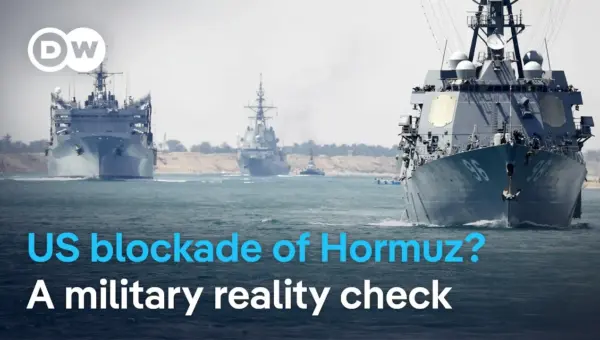
US Navy Blockade of Strait of Hormuz: Power Play or Empty Threat?
President Trump has threatened a U.S. Navy blockade of the Strait of Hormuz after failed peace talks with Iran. While the U.S. possesses significant naval power, the narrow strait presents challenges, and Iran could retaliate by threatening oil supplies. The situation is described as dangerous brinkmanship in ongoing negotiations.