Trump’s Iran Deal: A ‘Fake Taco’ Fueled by Incompetence
Rick Wilson critiques former President Trump's Iran peace plan, calling it a "fake taco." He argues that Israeli Prime Minister Netanyahu's influence, coupled with Trump's alleged incompetence and focus on market stability, has led to a more dangerous geopolitical situation. Wilson also discusses the potential fracturing of the MAGA coalition and the uncertain future of NATO.

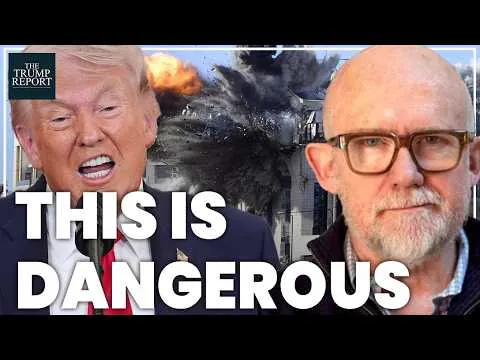
Trump’s Iran Deal: A ‘Fake Taco’ Fueled by Incompetence
The fragile ceasefire between the US and Iran, meant to ease tensions in the volatile Middle East, is showing serious cracks. Reports suggest the plan, brokered with Pakistan’s help, was largely written by the Americans. However, Israeli strikes in Lebanon, killing hundreds, have been seen by Iran as a clear violation. This raises concerns that former President Trump’s approach is leading to more conflict, not less.
Netanyahu’s Influence and a Collapsing Market
Rick Wilson, co-founder of The Lincoln Report, argues that Israeli Prime Minister Netanyahu holds significant sway over Trump’s decisions. He points out that even top US intelligence officials, like CIA Director Ratcliffe, described the plan as weak. Netanyahu, facing his own political pressures, has little reason to de-escalate. Iran, seeking to protect allies like Hezbollah, agreed to the plan, but the situation remains tense.
A key factor in Trump pulling back from the brink, according to Wilson, was the global energy market’s instability. Brent crude oil prices soared, and the Strait of Hormuz, a vital shipping route, saw drastically reduced traffic. While some ships passed, paying Iran fees in cryptocurrency, the strait was far from open. This economic pressure, Wilson suggests, was a major reason for the temporary de-escalation.
A Return to Pre-JCPOA Dangers
Wilson draws a stark comparison to the Obama-era Iran nuclear deal, the JCPOA. While he admits his past Republican opposition, he acknowledges the deal’s effectiveness. Now, he believes the US has returned to a state worse than before the JCPOA. Iran is poised to receive significant funds, which could be used to bolster its military. Wilson fears that Trump’s lack of clear strategic goals, driven by emotion, has made the world more dangerous.
US-Israel Relationship and Congressional Doubts
The idea of the US convincing Israel to change course seems unlikely. Wilson believes Trump would never defy Netanyahu, likening the dynamic to Putin’s influence over Trump. He also suggests that figures like Senator JD Vance, who has expressed skepticism about the plan, are not fully in the inner circle of decision-making. Vance himself appeared unaware of key ceasefire details when questioned by reporters, indicating he might be on the sidelines.
The Straits of Hormuz: A Strategic Bottleneck
Opening the Strait of Hormuz without Iranian control is a major hurdle. Wilson states that many smart individuals have tried to solve this problem, but few in the Trump administration seem to have effective strategies. Iran’s ability to mine the strait, use drones, and deploy attack boats presents an asymmetric threat that is difficult to counter. Iran understands the power this control gives them over global energy markets and the economy.
Trump’s frustration is evident as Iran profits from shipments through the strait. His suggestion of a joint venture was quickly dismissed by Iran. Wilson warns that public statements from the administration should be taken with a large grain of salt. Trump’s primary motivation, he argues, is fear of negative market reactions to his actions. When the markets are stable, Trump often reverts to his previous behavior.
Escalation Fears and a Fracturing Coalition
The current situation is described as a “fake taco,” meaning it’s not a genuine peace effort. Wilson notes that significant US military assets are still being moved towards the Gulf, with multiple carrier groups present. He fears Trump may restart hostilities if Iran doesn’t cooperate, suggesting Trump is more interested in market stability than ending the conflict. Once markets stabilize, a return to aggressive tactics is likely.
The possibility of World War III, though not evenly distributed, is a real concern. Wilson highlights the extreme fragility of infrastructure in the Gulf, which could not withstand constant attacks. He fears Trump’s incompetence will lead to further escalation, plunging the world into “a world of hurt.” Trump has reportedly given European nations an ultimatum to commit military forces to the region, potentially as a way to weaken NATO.
NATO’s Uncertain Future
Wilson views Trump’s demands on European countries as a gift to Vladimir Putin, whose goal has long been to break NATO. Trump’s personal dislike for the alliance aligns with a dangerous fantasy of dividing global influence among major powers. This approach, he believes, could lead to a de facto withdrawal from NATO, even if a legal exit is difficult. He fears the US is no longer a responsible global player under Trump.
Europe, he argues, must prepare to defend itself without the full backing of NATO. Wilson believes Trump would not honor Article 5, the mutual defense clause, and would let Europe “die” to avoid offending Putin. Key figures in the Pentagon share this view, with some openly hostile to NATO and Ukraine. While Trump cannot legally exit NATO easily, his administration can undermine its effectiveness.
A Fracturing MAGA Movement and Democratic Strategy
Wilson observes a growing division within the MAGA coalition. Polling data, both public and private, shows that Trump is increasingly seen as a political liability rather than an asset. This fragmentation creates a vacuum, as many in the party have relied on Trump for their political identity and struggle to imagine alternatives.
Regarding the Democrats, Wilson disagrees with the idea that they are simply pushing left. Instead, he sees them focusing on affordability and ending the chaos associated with Trump. He argues that Trump’s promises have led to high costs for Americans, citing rising prices for gas and groceries. The war in the Gulf, lacking strategy or clear goals, further contributes to public dissatisfaction. While a core group will always support Trump, a growing number of Republicans are distancing themselves.
The Pam Bondi Deposition and Legal Trouble
The discussion also touches on former Florida Attorney General Pam Bondi’s refusal to appear for a deposition in the House Oversight Committee’s Epstein investigation. Wilson predicts she will be subpoenaed as an individual and face significant legal trouble. He believes she underestimates the determination of House Democrats to end obstruction of justice and warns she lacks the resources to escape the situation. Her past confrontational style, he suggests, will be ineffective against a zero-tolerance approach from Democrats.
Source: Trump’s peace plan is a ‘fake TACO’ and this proves it | Rick Wilson (YouTube)

Related Articles
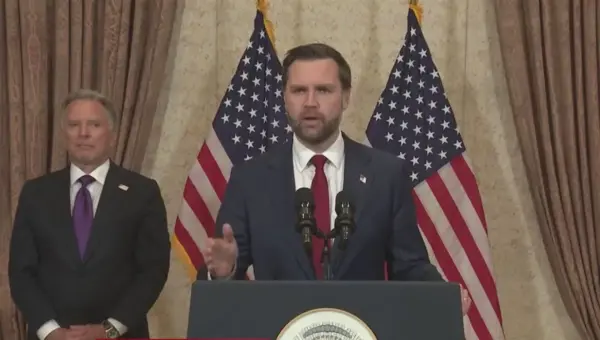
Iran Talks Collapse: US Blocks Strait, Escalates Tensions
Peace talks between the U.S. and Iran have collapsed over Iran's nuclear ambitions. In response, the U.S. Navy has initiated a blockade of the Strait of Hormuz, escalating tensions and threatening global oil supplies. This move follows Iran's refusal to meet key American demands.
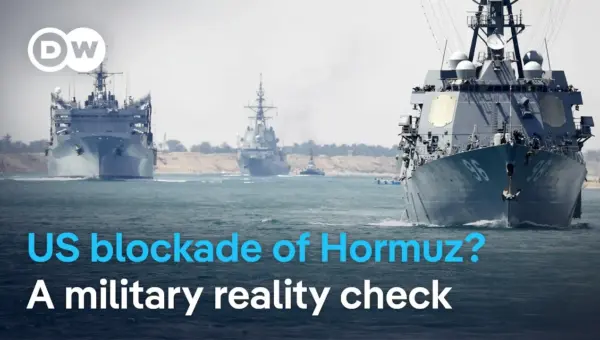
US Navy Blockade of Strait of Hormuz: Power Play or Empty Threat?
President Trump has threatened a U.S. Navy blockade of the Strait of Hormuz after failed peace talks with Iran. While the U.S. possesses significant naval power, the narrow strait presents challenges, and Iran could retaliate by threatening oil supplies. The situation is described as dangerous brinkmanship in ongoing negotiations.
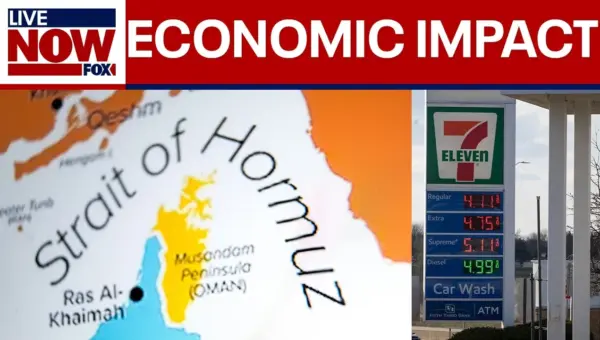
Trump Orders Strait of Hormuz Blockade, Risks Global Oil Shock
President Trump has ordered the U.S. Navy to blockade the Strait of Hormuz, a critical global oil transit point, sparking fears of soaring energy prices and inflation. This strategic move aims to exert pressure on Iran and China, while also addressing domestic economic concerns ahead of midterm elections.