Europe Bolsters NATO Amid Trump’s Scrutiny
Europe is stepping up its support for NATO, offering 'massive' aid amidst criticism from former President Trump. The alliance chief highlighted the importance of transatlantic security and addressed concerns over Iran's nuclear ambitions and maritime safety in the Strait of Hormuz.

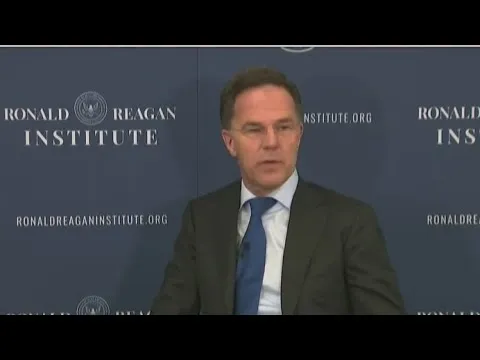
Europe Rallies Behind NATO, Offers ‘Massive’ Support Amid Trump’s Scrutiny
NATO’s top official recently highlighted Europe’s strong commitment to the alliance, offering what he called “massive” support. This comes at a time when former President Donald Trump has been critical of NATO and its members. The alliance chief emphasized that strong transatlantic ties are crucial for the safety of both Europe and the United States. He pointed out that securing Europe also helps protect the Arctic and the Atlantic, areas where Russia is increasing its military presence.
The comments were made in the context of ongoing global security challenges. The NATO chief mentioned how Russia, China, and North Korea are working together more closely. He also referenced Russia’s support for Ukraine, showing how complex global politics require strong alliances. He stressed that even though the U.S. has historically pushed NATO members to spend more on defense, cooperation remains vital. This cooperation is seen as essential for ensuring everyone’s safety.
Public Opinion Supports NATO in the U.S.
Recent public opinion polls in the United States show that a majority of Americans have a positive view of NATO. About 70% of Americans favor the alliance, which is higher than usual. Furthermore, most Americans oppose the idea of the U.S. withdrawing from NATO. These findings suggest that the message of NATO’s importance is resonating with the American public, despite political debates.
Focus on Iran and Maritime Security
The discussion also turned to the situation in Iran and maritime security in the Strait of Hormuz. The NATO chief stated that Iran’s ability to develop nuclear weapons and spread instability has been reduced. This comes after President Trump had criticized some NATO allies for not sufficiently supporting efforts related to Iran. Currently, a ceasefire is in place, though activity in the Strait of Hormuz remains limited.
A coalition of European nations has stepped up to lead a mission focused on ensuring freedom of navigation in the Strait of Hormuz. This initiative aims to counter potential threats and maintain vital shipping routes. While some countries have readily joined, others have been slower to commit. The mission’s success depends on broad participation and clear contributions from all allies.
Iran’s Nuclear Ambitions and Regional Stability
The NATO chief described Iran’s nuclear and ballistic missile capabilities as an “existential threat” not only to the Middle East but also to the entire world. He warned against repeating past mistakes, referencing the situation with North Korea, where diplomatic efforts did not prevent the country from acquiring nuclear weapons. He stressed the need for a clear stance against Iran obtaining nuclear arms.
The U.S. launched a campaign to address these concerns in late February. This effort involves long-standing agreements with European allies. While European countries host U.S. military assets and support operations, there can sometimes be delays in their full engagement. The goal is to ensure that European nations fully participate in collective security efforts, providing a strong production platform for U.S. military power and contributing to overall stability.
Global Impact
This period highlights a complex geopolitical moment. Europe is demonstrating its commitment to collective security by bolstering NATO and contributing to maritime operations. This is happening even as the alliance faces questions about its future from influential political figures in the United States. The situation underscores the ongoing debate about burden-sharing within NATO and the strategic importance of alliances in an era of rising global tensions. The emphasis on securing international waters and deterring nuclear proliferation shows how interconnected global security challenges have become.
Historical Context
NATO was formed in 1949 as a defense alliance against the Soviet Union during the Cold War. Its core principle, Article 5, states that an attack on one member is an attack on all. After the Cold War, NATO’s role evolved to include crisis management and security cooperation in new regions. The current emphasis on maritime security in the Strait of Hormuz relates to the global importance of oil transport and international trade routes, issues that have long been a concern for global powers.
Economic Leverage
While not explicitly detailed in the transcript, the economic stakes are high. The Strait of Hormuz is a critical chokepoint for global oil supplies. Disruptions there could significantly impact energy prices worldwide. European nations’ participation in securing this route is not just a military matter but also an economic one, protecting vital trade flows that fuel their economies. Sanctions and diplomatic pressure are also tools used in international relations to influence the behavior of countries like Iran.
Future Scenarios
One possible future scenario is increased European defense spending and a more unified approach to security challenges, potentially strengthening NATO regardless of U.S. political shifts. Another scenario involves a continued strain on the transatlantic relationship if political disagreements persist. However, given the public support for NATO in the U.S. and the clear security threats, a complete U.S. withdrawal from the alliance seems less likely in the near term. The effectiveness of the European-led mission in the Strait of Hormuz will also shape future maritime security cooperation.
Source: NATO chief says Europe providing 'massive' support after Trump jabs | NewsNation Live (YouTube)

Related Articles

Trump’s NATO Meltdown: Public Rant, Private Plea
Donald Trump is publicly attacking NATO allies while allegedly privately begging them for help with the Strait of Hormuz. This contradictory approach raises concerns about his foreign policy and the future of international alliances.
US Tightens Grip: Iran Strait Blockade Sparks Global Oil Fears
The U.S. is threatening to block Iranian ports, a move that could severely disrupt global oil supplies. This action tests international law and puts major economies like China and India at risk of inflation. The standoff signals a potential shift in global power dynamics.
Trump’s Return: A Political Chess Move?
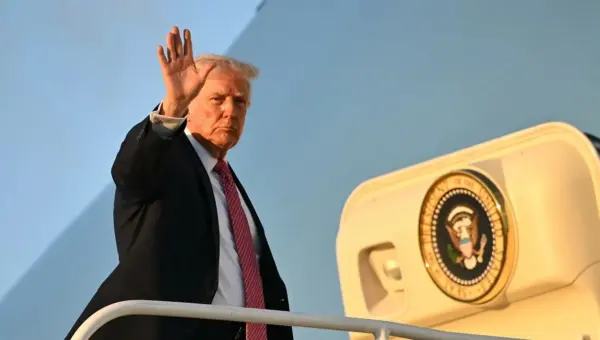
Former President Donald Trump's recent departure from Miami to Washington D.C. after his arraignment is more than just travel. It signals a potential strategic move to rally supporters and control the political narrative amidst ongoing legal challenges.