Oil Prices Surge Amid Ceasefire Failures and Geopolitical Tensions
Global oil prices are surging as ceasefire negotiations falter and geopolitical tensions escalate in the Middle East. Disruptions in the Strait of Hormuz and ongoing conflict in Lebanon are creating supply chain issues, leading the IMF to downgrade global growth forecasts. Investors face continued volatility amid these complex dynamics.

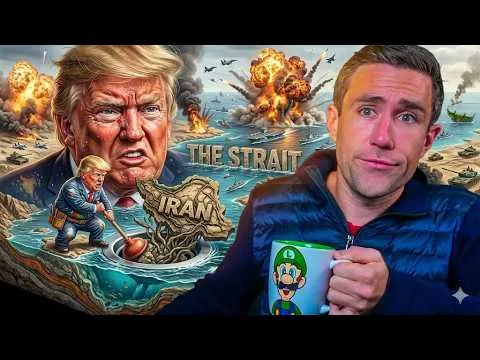
Oil Prices Surge Amid Ceasefire Failures and Geopolitical Tensions
Global oil prices are climbing, with Western Intermediate crude up 8% to around $102 and Brent crude reaching $99. This sharp increase follows a breakdown in ceasefire negotiations and ongoing geopolitical instability in the Middle East. The situation highlights significant disruptions to oil supply, even as a supposed ceasefire is in effect.
Ceasefire Talks Stall, Supply Chains Disrupted
Recent ceasefire negotiations have been largely unsuccessful, with demands from key players not being met. Reports indicate that former President Donald Trump’s administration had multiple 10-point plans for the region, but the specific plan that was accepted was not clearly understood by all parties involved. This led to confusion and ultimately, a failure to achieve a lasting peace.
A major concern is the control of the Strait of Hormuz, a vital waterway for global oil transport. Oil executives from the UAE have indicated that the strait is not fully open for transit. While Russia suggests that Iran may allow about 15 ships through, this is significantly less than the usual traffic. This reduced flow creates supply disruptions, pushing oil prices higher.
Adding to the complexity, Iran is proposing a $1 per barrel tax on oil tankers passing through the strait. This tariff could significantly impact the profit margins of shipping companies. The logistics of collecting these fees, and whether they will be paid in traditional currency or cryptocurrency like Bitcoin, remain unclear. This uncertainty further contributes to market volatility.
Israel-Iran Tensions Escalate in Lebanon
The conflict has also seen an escalation in Lebanon, with Israel expanding its operations. Reports suggest Israel is taking control of significant territory, potentially impacting areas south of the Litani River. These actions have led to civilian casualties and damage to infrastructure, including homes and financial exchange centers.
Israel states its actions are aimed at targeting Hezbollah, an Iran-backed militant group. However, the extent of civilian impact has raised concerns, with some describing the situation as a potential “Gaza 2.0.” This raises questions about the proportionality of military actions and the potential for wider regional conflict.
Economic Outlook Dims on Geopolitical Risk
The ongoing instability is having a noticeable effect on the global economy. The International Monetary Fund (IMF) has downgraded its forecast for global growth. The IMF points to infrastructure damage and the need for rebuilding in the Strait of Hormuz region as key factors that will slow economic expansion over the next two years.
Meanwhile, some officials within the current administration are downplaying the market’s recent losses, calling them a “temporary distraction.” However, this perspective is contrasted with reports of significant profits being made by insiders on prediction markets related to the conflict.
What Investors Should Know
- Higher Oil Prices Likely: The disruptions in the Strait of Hormuz and ongoing conflict suggest that oil prices may remain elevated for an extended period. This could impact inflation and consumer spending.
- Geopolitical Risk Premium: Markets are increasingly pricing in a “risk premium” for geopolitical instability. Investors should monitor developments in the Middle East closely, as further escalation could lead to greater market volatility.
- Supply Chain Concerns: The impact on shipping and supply chains is significant. Shippers are hesitant to resume normal operations due to security concerns and the unclear imposition of new taxes.
- Global Growth Slowdown: The IMF’s downgraded growth forecast highlights the broader economic consequences of regional conflicts. This could affect corporate earnings and investment returns across various sectors.
Strategic Miscalculations and Future Uncertainty
The events unfolding highlight potential strategic miscalculations regarding the conflict’s trajectory and its impact on critical global infrastructure. Early assessments that certain regimes would collapse quickly have not materialized, leading to prolonged instability.
The effectiveness of military strategies, including efforts to damage weapons infrastructure and achieve regime change, is being questioned. While some objectives may have been partially met, Iran’s continued ability to produce drones and missiles suggests the long-term threat remains significant.
Looking ahead, the situation remains highly uncertain. While some express cautious optimism that the worst may be over, the potential for further disruption and the long-term economic consequences are significant concerns for investors and policymakers alike.
Source: Trump F**K'd Up. (YouTube)

Related Articles

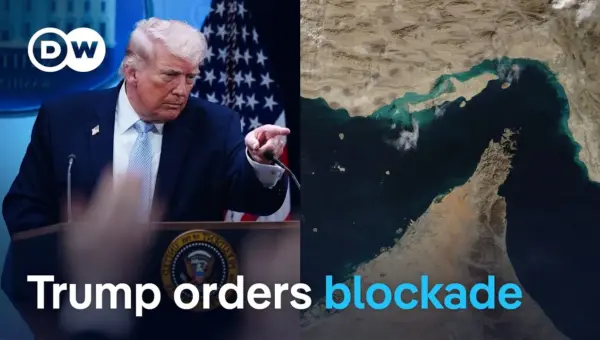
US Blockades Hormuz Strait After Iran Talks Collapse
The U.S. has imposed a naval blockade on the Strait of Hormuz following failed peace talks with Iran in Pakistan. Despite mediation efforts, key disagreements over Iran's nuclear program and mutual trust prevented a deal. The move escalates regional tensions, with Pakistan urging continued dialogue.


US-Iran Peace Talks Collapse Over Nuclear Standoff
High-level peace talks between the United States and Iran have failed to secure an agreement, primarily due to Iran's refusal to commit to abandoning nuclear weapons. Vice President J.D. Vance called the discussions substantive but ultimately unsuccessful, stating the U.S. presented a final offer. Following the collapse, President Trump announced an immediate U.S. Navy blockade of the Strait of Hormuz.


Fed May Restart Printing Money Amid Oil Price Surge
The Federal Reserve may restart quantitative easing (QE) to combat rising oil prices, potentially increasing its $9 trillion balance sheet. This move aims to inject money into the economy but carries the risk of worsening inflation.