Conflicting Signals: Iran Ceasefire Faces Major Doubt
A recent Iran ceasefire is shrouded in confusion due to conflicting White House statements and unclear terms, particularly regarding Lebanon. Lieutenant General Ben Hodges expresses skepticism about the agreement's strength and the decision-making process, warning of potential strategic defeat for the U.S.

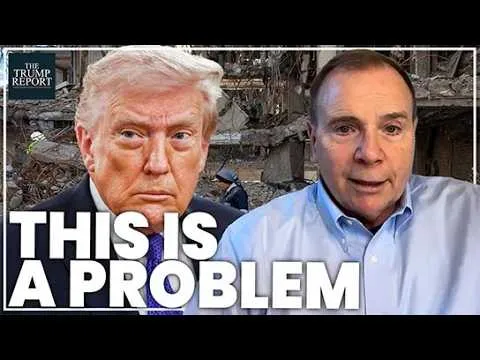
Conflicting Signals: Iran Ceasefire Faces Major Doubt
The situation between the United States and Iran has been incredibly tense. A recent ceasefire, meant to calm things down, is now facing serious questions. This is largely because of mixed messages coming from the White House and actions on the ground that seem to contradict the supposed agreement. It’s making it hard for anyone to know what’s truly happening or what the future holds.
A Fragile Agreement
Lieutenant General Ben Hodges, who used to lead the U.S. Army in Europe, shared his thoughts on the situation. He admitted he was relieved that a major conflict didn’t erupt as feared. However, he also stated that it’s difficult to know the exact terms of the ceasefire. Conflicting reports about whether Lebanon was included, for example, highlight the confusion. Even the Strait of Hormuz, a vital shipping route, remains effectively closed because insurance companies don’t believe it’s safe for vessels.
General Hodges believes it was too soon for the administration to claim victory. The problems that existed before the ceasefire are still there, and in some cases, they’ve gotten worse. This suggests the ceasefire is not as strong as initially presented.
Lebanon: The Key Disagreement
A major point of confusion is the role of Lebanon in the ceasefire. Iran claims Lebanon was part of the deal, pointing to Israeli strikes there as a clear violation. However, the White House denies this. This difference in understanding could easily lead to the ceasefire breaking down.
General Hodges expressed skepticism about the White House’s claim that Lebanon was not included. He finds it hard to believe Israel would agree to such terms while Hezbollah continues operations from Lebanon. He also noted that Pakistan, which acted as a go-between, said Lebanon was included. This leaves a significant gap between what different parties believe was agreed upon.
It’s not clear what all was included in that. It’s not um, you know, when you have when you talk about a ceasefire, even one that’s perfectly agreed and and handled, um, it’s not going to be like turning a light switch on and off. So, it would have been normal that there might have been some scattered things happening. This is much more than that.
Israel’s Strategic Goals
The report also touched on Israel’s role and its strategic goals. According to The New York Times, Israeli Prime Minister Benjamin Netanyahu pushed hard for the war, believing it could quickly topple Iran’s regime. U.S. officials, however, privately warned that this plan was unrealistic.
General Hodges suggested that Israel might see this conflict as an opportunity to weaken Hezbollah. This differs from U.S. strategic goals, which may be more focused on economic stability. He pointed out that while U.S. and Israeli strategic goals have been close, they could start to drift apart, especially as economic pressures on the U.S. grow.
Leadership and Decision-Making
The discussion also raised questions about the decision-making process within the administration. General Hodges noted that the President often trusts his gut instinct over professional advice. He also criticized the involvement of non-professional diplomats, such as the President’s son-in-law and a real estate friend, in such critical negotiations.
He also pointed to a lack of pushback from cabinet officials, like the Secretary of Defense, who may be hesitant to challenge the President. This environment can lead to mistakes and a failure to consider all possible risks and outcomes.
The Strait of Hormuz and Future Outlook
Iran has warned that ships in the Strait of Hormuz risk being hit by naval mines. This warning further suggests that the conflict is far from over. General Hodges advised watching insurance rates for vessels passing through the strait as a key indicator of safety and stability.
He also refuted the idea that no one could have predicted Iran’s actions regarding the Strait of Hormuz. Military analysts have war-gamed such scenarios for decades. He sees this claim as a way for those who made mistakes to avoid taking responsibility.
Historical Context and Constitutional Duty
The conversation highlighted the importance of consulting Congress before engaging in military action, as required by the Constitution. This process forces necessary discussions about the purpose, risks, and resources involved in any conflict.
General Hodges emphasized that loyalty in the military is to the Constitution, not to the President. Soldiers have a duty to refuse illegal orders. He referenced the Nuremberg trials, where following orders was not accepted as a defense for war crimes.
The current situation, with conflicting rhetoric and a lack of clear objectives, risks becoming a major strategic defeat for the United States. It’s crucial for the administration to be upfront and involve Congress in these critical decisions.
Why This Matters
The confusion and contradictions surrounding the Iran ceasefire have significant implications. It raises doubts about the reliability of U.S. foreign policy and its ability to manage complex international relations. The lack of clear communication and adherence to constitutional processes could lead to further instability and conflict.
For the American public, this uncertainty translates into potential risks and costs, including increased gasoline prices and ongoing military engagement. It also affects relationships with allies, who may question the consistency and predictability of U.S. actions.
Trends and Future Outlook
The situation points to a broader trend of challenges in U.S. foreign policy, particularly in the Middle East. The reliance on personal judgment over professional advice and the bypassing of traditional diplomatic and congressional channels can create a volatile environment.
The future outlook remains uncertain. While the immediate threat of escalation may have been averted, the underlying issues persist. The administration faces the difficult task of navigating these complexities, potentially seeking a way out that avoids further strategic missteps. The outcome of this situation will likely shape future U.S. approaches to regional conflicts and international diplomacy.
Source: Trump won't be able to make his way back from this | Lt Gen. Ben Hodges (YouTube)

Related Articles

US-Iran Peace Talks Hit Major Roadblocks in Islamabad
High-level peace talks between the United States and Iran have commenced in Islamabad, Pakistan, but face significant obstacles. Preconditions set by Iran, including an immediate ceasefire between Hezbollah and Israel and sanctions relief, threaten to derail the negotiations. Key sticking points include Iran's nuclear program and control over the Strait of Hormuz, with both sides claiming advantage.

Iran Talks Stall Amid Lebanon Strikes, Strait of Hormuz Tensions
High-level U.S.-Iran talks are underway but face major hurdles, including ongoing Israeli strikes in Lebanon and lingering disputes over the Strait of Hormuz. Iran demands asset unfreezing and a Lebanon ceasefire, while the U.S. focuses on securing vital shipping lanes.
Iran Seizes Strait of Hormuz as US Policy Crumbles
Iran is tightening its grip on the critical Strait of Hormuz, a major oil shipping route, following a ceasefire agreement with the Trump administration. This move appears to disregard long-standing U.S. demands and signals a significant rollback of American influence in the Middle East.