Stranded Whale ‘Timmy’ Sparks Debate on Rescue Efforts
A young whale, nicknamed Timmy, has become the center of a difficult ethical debate after repeatedly becoming stranded off the German coast. Experts are weighing the best course of action, facing tough choices between intervention and allowing nature to take its course. Timmy's struggle highlights broader issues in whale conservation, including the impact of increased whale populations and climate change on marine ecosystems.

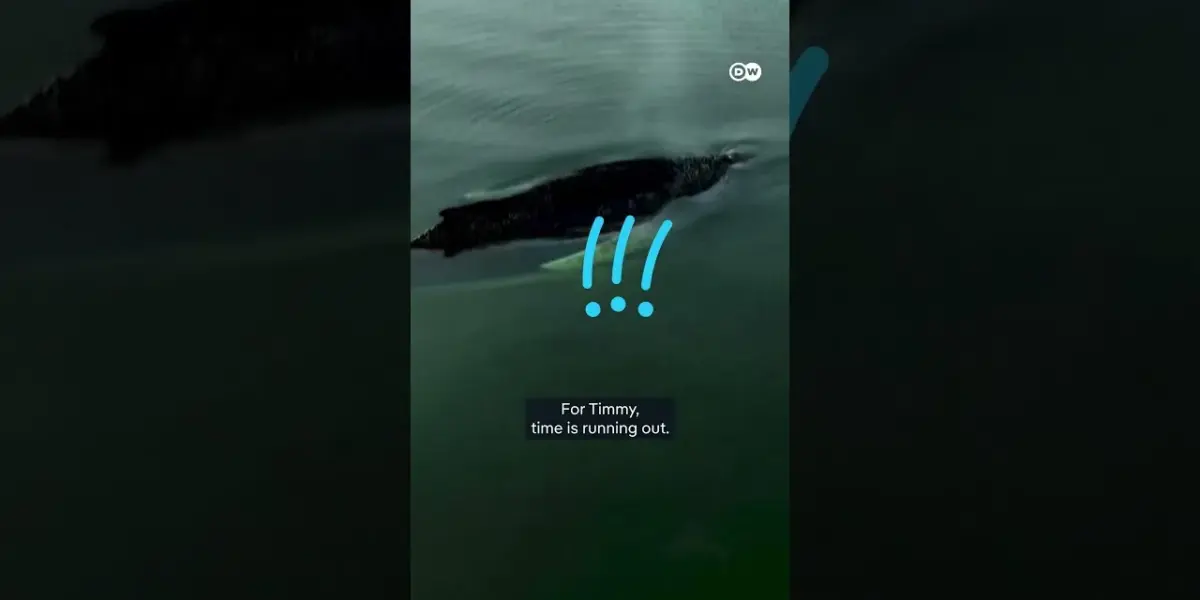
Whale’s Struggle Highlights Rescue Dilemmas
A young whale, nicknamed Timmy, has become the focus of intense debate after repeatedly becoming stranded off the German coast. The whale’s difficult journey, which has seen it become beached three times, raises critical questions about how best to help marine mammals in distress. Experts are grappling with difficult decisions, balancing the desire to save the animal with the realities of its condition and the potential harm of intervention.
Timmy’s Repeated Strandings
Timmy, a young whale believed to have strayed from its usual path, first became stranded near the island of Rügen. Despite efforts to guide it back to deeper waters, the whale stranded itself again, prompting further rescue attempts. Its repeated struggles have highlighted the challenges authorities face when dealing with such complex situations. The whale’s journey is a stark reminder of the difficulties faced by marine life venturing into unfamiliar or dangerous territory.
Ethical Questions Surround Rescue
The situation has sparked a difficult ethical discussion among experts and the public. Some believe that intervention, even if it involves difficult measures, is necessary to save the animal. However, others argue that the whale is critically ill and that attempts to rescue it might cause more harm than good. One expert stated that measures like euthanasia or causing harm to the whale are unacceptable. “I prefer to say it this way: Euthanasia is not possible,” they explained, dismissing ideas of explosives or poisoning as unthinkable.
“The patient is severely, severely ill. We just don’t know how long it will take for this process.”
This perspective suggests that Timmy’s condition might be too advanced for successful rescue, and that the most humane option could be to allow nature to take its course, though this is a deeply uncomfortable thought for many involved.
Broader Implications for Whale Conservation
While the focus is on Timmy, the situation also brings attention to the recovery of whale populations and the new challenges they face. Once endangered, many whale species have seen their numbers rebound. For example, the comeback whale population has recovered to about 800 globally. However, this increase in whale numbers also leads to more interactions with human activities. More whales mean more potential encounters with ships and fishing gear, posing new threats to their survival.
Climate Change and Ecosystem Shifts
Experts point to climate change and shifting ocean ecosystems as significant factors affecting marine life. Changes in water temperature, currents, and food availability can disorient whales and push them into vulnerable areas. “Climate change and changes in the ecosystem will accompany us,” noted one observer. “Whether it’s nets or garbage or nutrients.” This highlights the need for a more comprehensive approach to marine conservation that addresses the root causes of these environmental changes.
The Path Forward: Cooperation and Care
Moving forward, there is a call for better coordination among scientific institutions and different countries to manage whale populations and their challenges. The increasing number of whale encounters, both natural and human-induced, requires a united front. “I think it makes sense to advance a kind of coordination with scientific institutions and with the countries,” suggested an expert. The ultimate goal is to better protect these magnificent creatures. “We need to take care of these wonderful animals even more,” they concluded, emphasizing a future focused on proactive conservation and understanding.
What to Watch Next
The fate of Timmy remains uncertain, serving as a poignant symbol of the complex challenges in marine conservation. Observers will be watching closely to see what decisions are made regarding the whale’s care and whether lessons learned from this incident will lead to improved strategies for protecting whale populations in a changing ocean environment. The ongoing dialogue between conservationists, scientists, and the public will be crucial in shaping future responses to similar situations.
Source: We failed Timmy, the stranded whale — now what? | DW News (YouTube)

Related Articles

California’s Warmer Spring Fuels Rattlesnake Surge
Southern California's unusually warm spring has led to a surge in rattlesnake bites, with Ventura County reporting six incidents already this year. Two people have tragically died, highlighting the dangers. Experts explain that warmer weather brings snakes out earlier to mate, increasing encounters. Safety advice emphasizes awareness, avoiding brush, and staying calm if a snake is spotted.

NYC Beach Death: Endangered Whale’s Fate Sparks Concern
An endangered sei whale washed ashore dead on a New York City beach, prompting an investigation by marine conservationists. This event highlights the serious threats facing marine life, including ship strikes and pollution, and underscores the need for greater ocean conservation efforts.


US-Iran Peace Talks Convene in Pakistan Amid High Stakes
High-stakes peace talks between the U.S. and Iran are underway in Islamabad, Pakistan, aiming to turn a fragile ceasefire into a lasting agreement. Led by U.S. Vice President J.D. Vance, the delegations are tackling critical issues including the Strait of Hormuz and regional security. Pakistan's pivotal role as a mediator has placed it at the center of global attention.