US, Iran Peace Talks Begin Amid Tensions in Islamabad
Vice President JD Vance is leading a U.S. delegation to Islamabad, Pakistan, for crucial peace talks with Iran. Amidst a security lockdown in the capital, discussions aim to de-escalate recent conflicts, though key issues like the Strait of Hormuz and Iran's nuclear program remain points of contention. Tensions are further fueled by Iran's threats regarding Israeli strikes on Hezbollah in Lebanon.

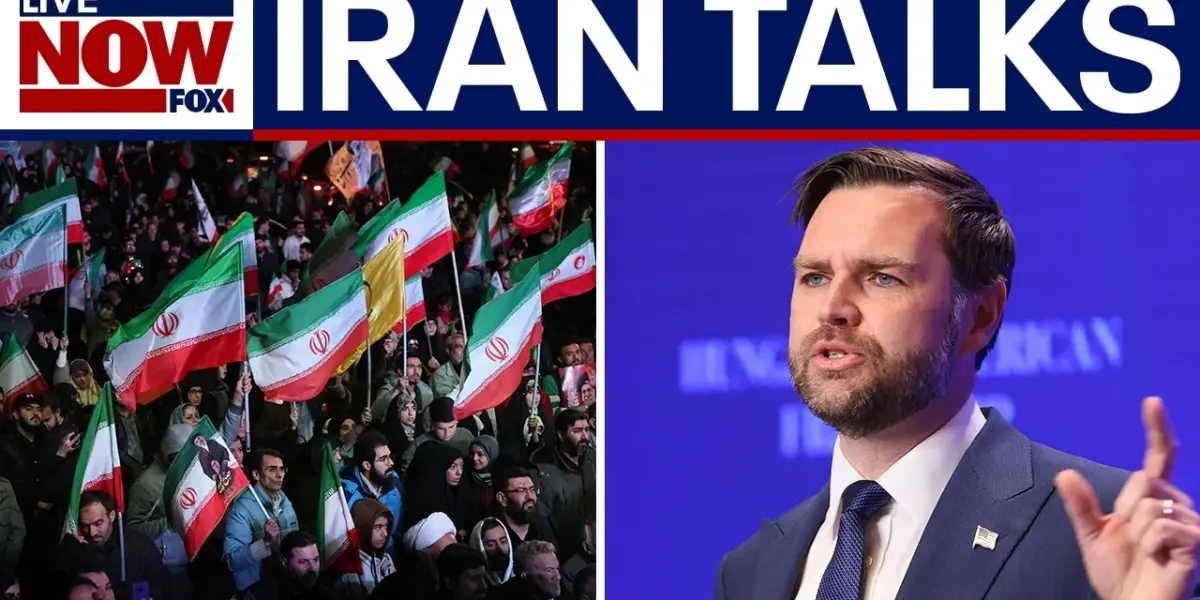
US Delegation Arrives for High-Stakes Peace Talks with Iran
High-level peace talks between the United States and Iran are set to begin in Islamabad, Pakistan, with Vice President JD Vance leading the U.S. delegation. The talks, aimed at de-escalating recent conflicts, have led to a significant security lockdown in Pakistan’s capital. The city of Islamabad has been cordoned off, with access restricted for a two-mile radius around the Serena Hotel, where both U.S. and Iranian delegations are expected to stay. The hotel itself has asked all guests to check out until Sunday, as it has been reserved for this crucial diplomatic event.
Key Figures and Security Measures in Place
Vice President Vance is accompanied by a U.S. team that includes Middle East envoy Steve Witkoff and Jared Kushner, a former senior advisor. Pakistani officials suggest the talks could commence as early as tomorrow, though Saturday is considered a more likely start date. The security measures reflect the intense international focus on these negotiations, which aim to be the first formal peace talks following recent hostilities.
Strait of Hormuz Remains a Point of Contention
Adding to the complex situation, reports indicate the Strait of Hormuz remains largely closed to shipping. Maritime intelligence firm Lloyd’s List Intelligence noted only three vessels were permitted passage on Wednesday, the first day of a declared ceasefire. White House Press Secretary Caroline Levit, however, stated that the Strait is open and that reports of its closure are inaccurate. This conflicting information highlights the ongoing challenges in verifying de-escalation efforts and the Strait’s importance as a global trade route and a potential bargaining chip.
Hezbollah Attacks and Iran’s Threats Escalate Tensions
The U.S. and Israel have reiterated that ongoing strikes against the Hezbollah terror group in Lebanon are not part of the current ceasefire deal with Iran. Despite this, Iran’s Parliament Speaker, Mohammad Bagher Ghalibaf, issued a stern warning on social media, stating that continued Israeli attacks on Hezbollah would result in “explicit costs and strong responses.” This threat underscores the deep divisions and the potential for renewed conflict, even as diplomatic efforts are underway.
“The ceasefire violations carry explicit costs and strong responses. Extinguish the fire immediately.” – Iranian Parliament Speaker
Expert Analysis on Diplomatic Strategy and Underlying Issues
Jonathan Ruoff, a fellow for American strategy at Jinsa, offered insights into the diplomatic maneuvering. He noted that the inclusion of Vice President Vance signals the seriousness with which the Trump administration views these talks. Ruoff suggested that Iran may perceive the current ceasefire as an admission of U.S. defeat and will likely seek to press its perceived advantage, particularly concerning Lebanon. The situation in Lebanon, where Israel continues strikes on Hezbollah, could become a major sticking point in the negotiations.
The Strait of Hormuz: Open or Closed?
Regarding the Strait of Hormuz, Ruoff explained that its status is effectively “both open and closed depending on who you ask.” While Iran may claim control and demand tolls, shipping companies are hesitant to transit due to perceived risks and costs. This hesitation effectively keeps the Strait closed for practical purposes, maintaining its significance as a leverage point for Iran.
Enrichment of Uranium Remains a Key Disagreement
A significant point of contention expected in the talks is Iran’s right to enrich uranium. U.S. officials have stated they will not formally acknowledge this right, which is not recognized under the Non-Proliferation Treaty. However, past negotiations have involved a “fudge” where Iran’s capacity to enrich on its own soil was considered. The immediate focus remains on Iran’s stockpile of highly enriched uranium, but the long-term question of indigenous enrichment capabilities is crucial for any durable agreement.
What to Watch Next
As the peace talks unfold, observers will be closely watching Iran’s willingness to compromise and its overall posture. The American reaction to Iran’s behavior will be critical. The talks are in their early stages, and the situation remains fluid, with potential for exchanges of fire continuing. The key question is whether the U.S. can secure a longer-term agreement that addresses regional concerns, or if Iran will use the talks to assert its perceived victory. The outcome of these negotiations could have far-reaching consequences for regional stability and global politics.
Source: VP Vance to lead US delegation at peace talks with Iran (YouTube)

Related Articles

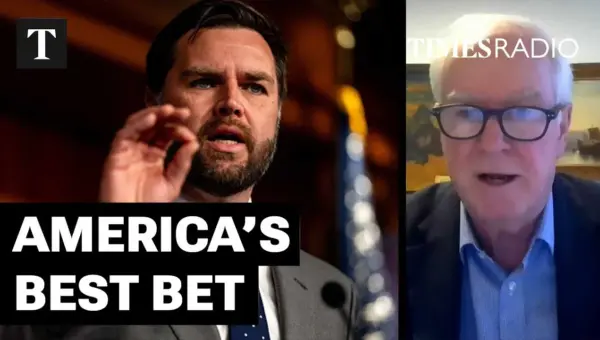
JD Vance Leads Pakistan Peace Talks with Iran
U.S. Vice President JD Vance is leading critical peace talks with Iran in Pakistan, aiming to de-escalate regional tensions. Key demands include Iran's nuclear program, regional proxy activities, and the opening of the Strait of Hormuz. The negotiations highlight significant differences between U.S. and Iranian objectives.
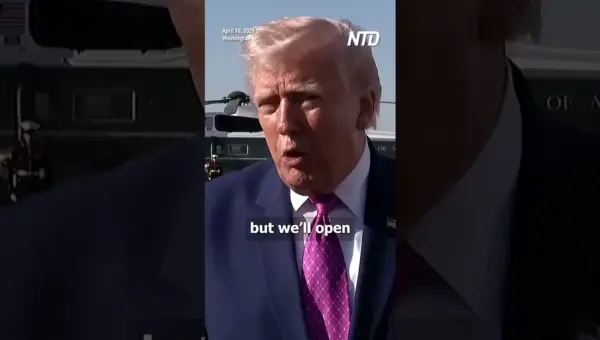
Trump Promises Strait of Hormuz Will Reopen Soon
Former President Donald Trump predicts the Strait of Hormuz will reopen soon, linking it to the absence of nuclear weapons. This crucial global oil transit point's stability impacts economies worldwide. Trump expressed confidence in U.S. military strength to ensure passage.

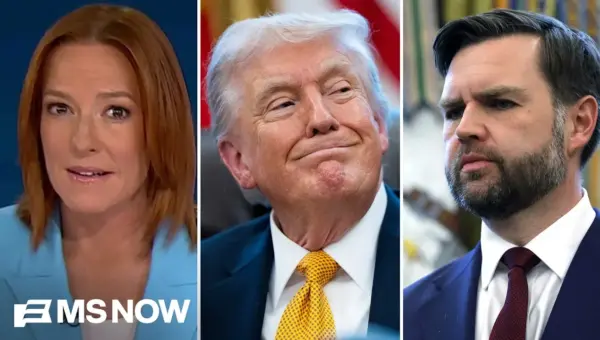
Vance Navigates Iran Crisis Amidst Trump’s Conflicting Statements
A US delegation is in Pakistan for critical talks with Iran aimed at reopening the Strait of Hormuz, a key global oil route. The mission comes as rising gas prices and inflation strain the US economy. Former President Trump's conflicting statements and J.D. Vance's described role add complexity to the high-stakes negotiations.