World Mocks Trump’s Failed Iran Deal
Donald Trump's short-lived "ceasefire" with Iran quickly collapsed, leading to widespread international mockery. Even conservative figures joined in ridiculing the deal's failure. Trump responded by renewing threats to destroy Iran, a move that highlights a pattern of volatile foreign policy.

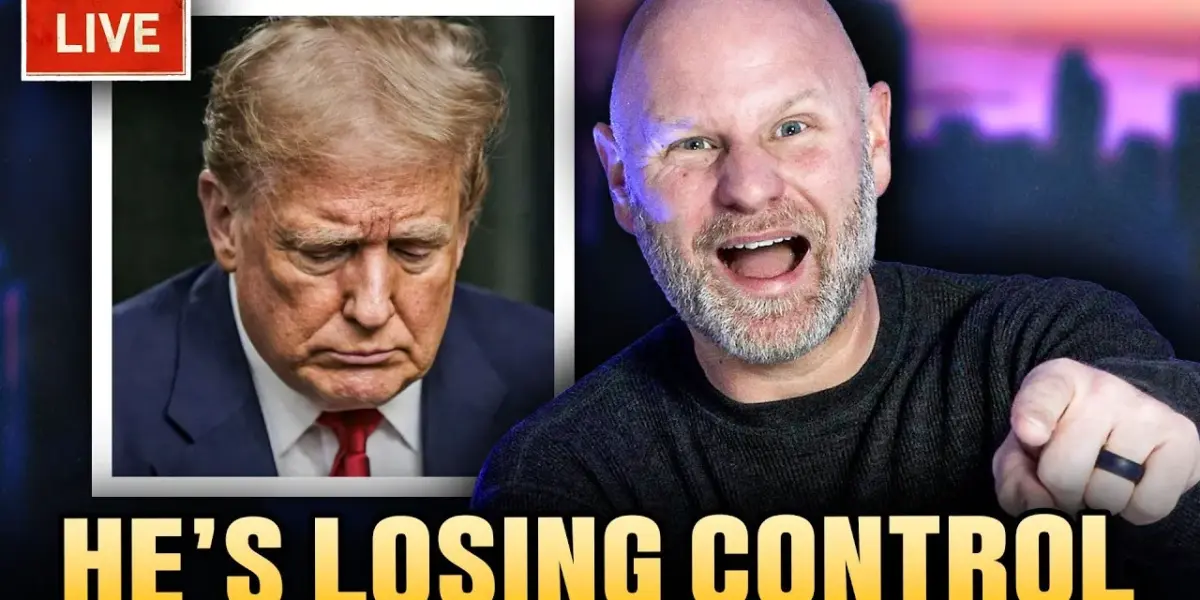
World Mocks Trump’s Failed Iran Deal
Donald Trump’s recent attempt to broker a “ceasefire” with Iran quickly unraveled, sparking widespread ridicule. Even before the deal collapsed within hours, many observers, including some conservative voices, were openly mocking Trump’s apparent capitulation. This criticism has clearly not sat well with the former president, who has since responded by renewing his threats to destroy Iran.
A Deal Too Brief to Last
The events surrounding Trump’s supposed agreement with Iran highlight a pattern of foreign policy actions that have drawn international scrutiny. The quick demise of this particular deal, lasting only a few hours, serves as a stark example of its fragility. This rapid collapse suggests a lack of solid foundation or widespread agreement from the outset.
International Reaction and Internal Criticism
The global reaction to Trump’s Iran initiative was overwhelmingly negative, with many countries and commentators expressing disbelief and scorn. This widespread mockery wasn’t confined to international critics; it also included criticism from within conservative circles. This internal dissent is particularly noteworthy, as it indicates a significant divergence of opinion even among Trump’s usual supporters. It suggests that his approach to foreign policy is increasingly being viewed as ineffective or even detrimental by a broader spectrum of political figures.
Trump’s Response: Escalation of Rhetoric
Faced with this barrage of criticism, Donald Trump reacted predictably by intensifying his rhetoric. Instead of addressing the reasons for the deal’s failure or engaging in diplomatic reassessment, he reverted to his characteristic aggressive stance. His renewed threats to “destroy Iran” represent a familiar pattern of responding to perceived slights or failures with belligerent language. This approach often serves to rally his base but alienates international partners and escalates tensions.
Historical Context: A Pattern of Volatility
This incident is not an isolated event but rather fits into a larger historical context of Trump’s foreign policy. His presidency was marked by a transactional and often unpredictable approach to international relations. Deals were frequently made and unmade, alliances were tested, and rhetoric often outpaced concrete diplomatic action. The Iran situation echoes earlier instances where Trump pursued aggressive stances, withdrew from agreements like the Iran nuclear deal (JCPOA), and engaged in public disputes with adversaries and allies alike. This history suggests a consistent tendency to prioritize strongman posturing over sustained diplomatic engagement.
Why This Matters
The implications of such volatile foreign policy actions are significant. Firstly, they undermine the stability of international relations. When major powers engage in public spats and make and break agreements rapidly, it creates uncertainty for all involved. Allies become hesitant to rely on commitments, and adversaries may see opportunities in the chaos. Secondly, this approach can embolden more hardline elements within targeted countries. Instead of fostering de-escalation, aggressive rhetoric and failed diplomatic efforts can be used domestically to justify more extreme positions. Finally, it reflects a broader trend in global politics where strongman tactics and nationalistic appeals are often prioritized over nuanced diplomacy. This can lead to a less predictable and more dangerous world stage.
Trends and Future Outlook
The recent events with Iran underscore a continuing trend of populist leaders using aggressive rhetoric to navigate complex foreign policy challenges. The reliance on public displays of strength, often amplified through social media, has become a common tactic. For the future, we can anticipate more of this style of engagement from leaders who see it as an effective way to mobilize support. However, the long-term effectiveness of such strategies remains questionable. As seen with the Iran “ceasefire,” these tactics often lead to short-term gains in public perception among supporters but can result in significant diplomatic setbacks and increased global instability. The international community will likely continue to grapple with how to respond to such unpredictable actions, balancing the need for de-escalation with the reality of assertive, often bellicose, leadership.
Source: The Entire World Is Laughing At Trump (YouTube)

Related Articles

Iran’s Strait of Hormuz Blockade Shifts Global Oil Power
Iran's control over the Strait of Hormuz, a vital global oil route, is shifting economic power dynamics. As former President Trump declared a U.S. naval blockade, experts highlight Iran's effective use of this physical choke point, challenging U.S. financial leverage and potentially forcing negotiations under duress.

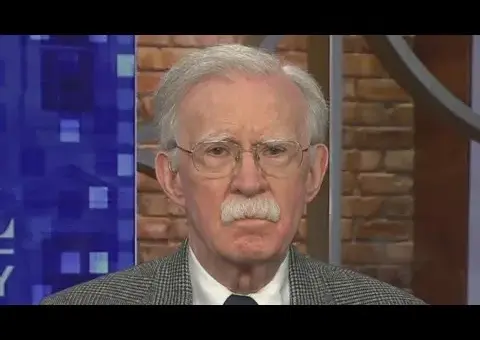
US Tightens Grip, Eyes Regime Change in Iran
John Bolton argues that the recent ceasefire with Iran was a mistake and advocates for a renewed military strategy. His proposal includes reopening the Strait of Hormuz and maintaining a blockade on Iranian oil to pressure the regime, with the ultimate goal of regime change.

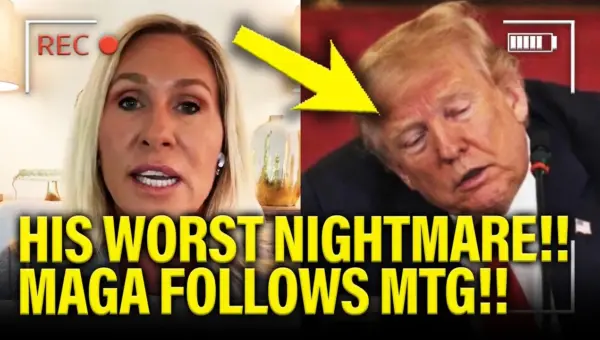
MTG Turns on Trump: Is MAGA’s Reign Over?
Marjorie Taylor Greene has launched a strong attack against Donald Trump, calling for his impeachment and the use of the 25th Amendment. Citing policy failures and character changes, Greene's criticisms echo sentiments from other conservative figures, suggesting a potential fracturing of the MAGA movement and raising questions about Trump's future influence.