Ceasefire Confusion: Vance Blames Misunderstanding for Lebanon Strikes
A ceasefire agreement between the US, Israel, and Iran is under threat as Israel continues to strike Lebanon. Vice President JD Vance attributed the escalation to a misunderstanding, claiming Iran believed Lebanon was included in the deal, a point the US denies. Analysts express skepticism, questioning the credibility of the explanation and highlighting the potential for renewed conflict and its global economic consequences.

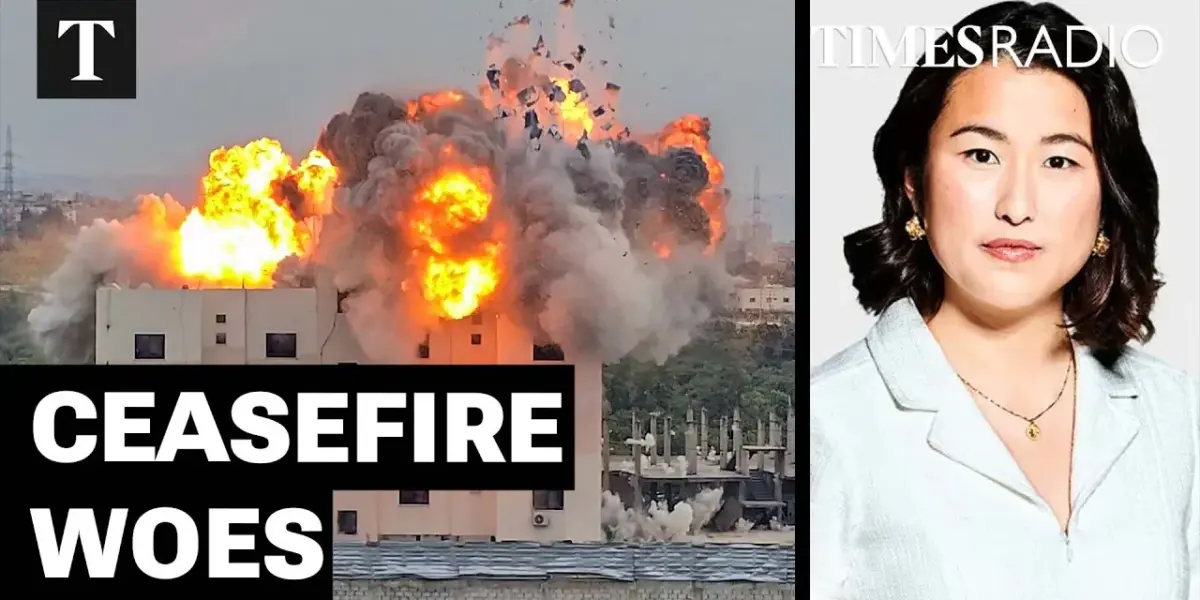
Ceasefire Confusion Sparks Israeli Strikes in Lebanon
A fragile ceasefire in the Middle East is showing signs of strain, with new strikes reported in Lebanon. US Vice President JD Vance suggested the ongoing violence stems from a misunderstanding about the terms of the agreement. He stated that Iran believed the ceasefire included Lebanon, a claim the US denies making.
Details of the Disputed Ceasefire
The ceasefire, brokered by the US involving Iran, Israel, and Gulf Arab states, appears to have hit a snag. Vance explained that the US never promised to extend the ceasefire to Lebanon. “What we said is that the ceasefire would be focused on Iran and the ceasefire would be focused on America’s allies, both Israel and the Gulf Arab state,” Vance said. However, countries like Britain, France, and Australia have publicly stated that the ceasefire should encompass Lebanon.
Experts Question the ‘Misunderstanding’
Journalist Cindy Yu expressed skepticism about the official explanation. “Come on. What the that the Iranians were under a sort of under the impression it extended to Lebanon. The Americans didn’t know they were under that impression, and they all just Oh, what a terrible misunderstanding. This is just this is nonsense,” Yu stated. She suggested that the communication breakdown might be more complex, especially given the current difficulties in direct communication between the US and Iran. The ongoing conflict has reportedly killed many Iranian leaders, making clear communication challenging.
Trump’s Ceasefire Style and Its Impact
Analyst Sonia Soda drew parallels between the current situation and former President Donald Trump’s approach to ceasefires. “I think this ceasefire smacks of the Donald Trump definition of a ceasefire, which is I’m announcing a ceasefire to the world and everyone else needs to go along with it really,” Soda commented. She noted that such announcements often occur without agreement on fundamental issues. This approach, she argued, raises questions about trust in US leadership and whether the world is safer following US intervention in Iran. “Ultimately when you take a step back from this all, is the world a safer place as a result of the US intervention in Iran? No, I don’t think it is,” Soda concluded.
Economic Repercussions of Failed Ceasefire
The potential collapse of the ceasefire has significant economic implications, particularly for the UK. “The oil price dropped from what was it like $111 a barrel down to in the low 90s” the moment the ceasefire was announced, highlighting the immediate impact on global markets. Experts predict that if the ceasefire doesn’t hold, energy prices could rise sharply. “The energy price cap will rise in July, so households I think on average are expecting hundreds of pounds more on their energy bills,” according to analysis presented. Beyond energy, disruptions to supply chains for goods like fertilizer could also affect daily life. Experts believe that even if a ceasefire holds, British households may feel economically poorer for about six months.
Uncertainty and Future Relations
The situation remains highly uncertain, with analysts unsure about future developments. The relationship between former President Trump and Israeli Prime Minister Benjamin Netanyahu is also a point of discussion. While Trump might be expected to exert influence, reports suggest Netanyahu may have pressured Trump regarding actions in Iran. “I suspect that Trump didn’t really know what he was going to do between, you know, beyond day two or three of this conflict,” suggested Yu, pointing to the unpredictable nature of US objectives. There are also indications of internal disagreements within the US, with figures like JD Vance reportedly being against the recent military actions.
Blame Game and Shifting Alliances
There appears to be an effort within some US political circles to shift blame towards Israel. Leaks suggest that Netanyahu may have misled Trump about the likelihood of regime change in Iran and the potential seizure of the Strait of Hormuz. “Someone’s got to be leaking that,” Yu remarked on these high-level meeting details. Vance’s public statements, which have become more prominent recently, suggest a growing momentum for an isolationist stance. The possibility of Trump ultimately blaming Netanyahu for any prolonged conflict is also seen as a likely scenario, mirroring past criticisms from figures within the MAGA movement.
Looking Ahead
The coming days will be crucial in determining the fate of the current ceasefire. All eyes will be on the actions of Israel and Iran, and the response from the US. The economic fallout from any renewed conflict could be substantial, impacting households globally. Furthermore, the shifting political dynamics and potential blame game within the US could shape future foreign policy decisions.
Source: JD Vance Blames Ceasefire ‘Misunderstanding’ For Israeli Strikes On Lebanon | Cindy Yu (YouTube)

Related Articles
Iran Threatens Strait of Hormuz Amid Lebanon Strikes
Iran threatens to close the vital Strait of Hormuz in response to ongoing strikes in Lebanon. The US is trying to de-escalate, but actions on the ground remain a concern, potentially impacting global oil markets and future negotiations.
Senator Slams Jeffries’ Iran Stance, Cites Nuclear Threat
Senator Rick Scott sharply criticized House Democratic Leader Hakeem Jeffries over his stance on Iran, calling him an "idiot" for seeking to limit the President's authority. Scott highlighted the threat of Iran developing nuclear weapons. The discussion also covered President Trump's stance on NATO and the ongoing DHS funding shutdown.

Iran’s Hormuz Threat: A Known Tactic, Not New
Recent conflict did not teach Iran a new tactic by threatening to close the Strait of Hormuz. Experts and Iranian planners have long understood this strategic leverage. The effectiveness of the recent shutdown was tied to global perceptions of the preceding conflict's instigator, not a newfound Iranian capability.