Oil Shock Eases: Will Stocks Soar or Sink?
Recent drops in oil prices and stock market rallies offer a glimmer of hope, but geopolitical uncertainty remains. An economist explains how global events, from Middle East conflicts to potential Federal Reserve actions, create a volatile investment environment. The advice for individuals is to stay calm and avoid rash decisions.

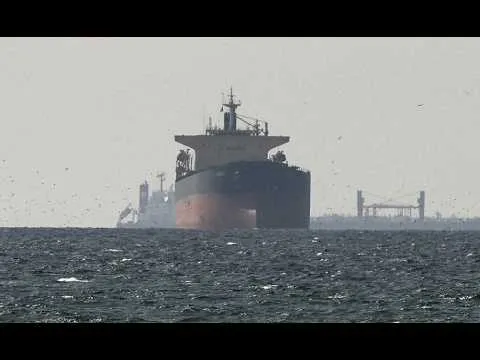
Oil Shock Eases: Will Stocks Soar or Sink?
The stock market took a big breath of relief recently. News of a ceasefire deal between the US and Iran sent oil prices tumbling. The Dow Jones Industrial Average jumped over 1300 points as a result. But is this good news here to stay? An economist explains the delicate balance between global events and our wallets.
Geopolitical Risk vs. Real Supply Issues
When conflict brews in places like Iran, it can quickly affect oil supplies. If a country like Iran closes off a key shipping route, such as the Strait of Hormuz, it means less oil can be shipped around the world. When the supply of something goes down, its price usually goes up. This is exactly what happened with oil and gas prices.
Higher energy prices can be a drag on the economy. They lead to more inflation, meaning your money doesn’t buy as much. Higher prices can also slow down economic growth. Investors, who buy and sell stocks, see this and worry. They think that if the economy slows down, companies will make less money. This makes them less willing to pay high prices for stocks, causing the stock market to fall.
The Rebound: What Changed?
The recent stock market rally and the drop in oil prices happened because people started to believe the Strait of Hormuz would remain open. When the fear of a supply disruption fades, oil prices can fall sharply. This is good news for the economy. Lower energy costs help keep inflation in check and can boost economic growth.
With lower oil prices, investors feel more confident. They expect the economy to grow and companies to earn more profits. This makes them willing to pay more for stocks, driving the market higher. It’s like a seesaw: fear of conflict pushes oil up and stocks down, while the hope of peace does the opposite.
Navigating Investment Uncertainty
Deciding how to invest during uncertain times is incredibly difficult. The situation is driven by global politics as much as by economics. If the ceasefire holds and oil continues to flow freely, oil prices are likely to keep falling. This would be very positive for the stock market.
Even without the Iran situation, the US economy was showing signs of strength. Many new jobs were being created, and people were spending money. Some economists predicted growth as high as 4%. However, the conflict and the resulting oil price swings created a cloud of uncertainty, making it hard to predict future economic performance.
The market faces two main paths. If the conflict de-escalates, oil prices drop, and the stock market could reach new highs. But if the ceasefire fails, conflict flares up again, and oil supplies are threatened, prices will rise. This would likely hurt the economy. Because these geopolitical events are hard to predict, it’s tough for economists to give a clear economic forecast.
The Federal Reserve’s Dilemma
Adding another layer of complexity are potential decisions from the Federal Reserve, the US central bank. For a while, many hoped the Fed would lower interest rates. Inflation had been falling, and it seemed likely to drop further. However, rising energy prices can increase inflation again.
The next inflation report is expected to show a significant jump due to higher energy costs. This puts the Federal Reserve in a tough spot. Some officials have even suggested they might need to raise interest rates to fight rising inflation. If the conflict is resolved and oil prices fall, the Fed might return to cutting rates. But if higher oil prices persist, the Fed could be forced to raise them. This adds more uncertainty about the future direction of interest rates and the economy.
Long-Term Outlook for Energy and the Economy
A significant portion of the world’s oil comes from the Middle East. If peace can be established there for the long term, it could lead to stable energy supplies and reasonable prices. This would support continued economic growth worldwide.
There’s a hope that countries like Iran could become peaceful members of the global community instead of supporting terrorism. This would benefit Iran and the rest of the world. However, the political situation in Iran is complex. Leadership changes and internal dynamics make it hard to predict the future.
Some believe that a change in leadership in Iran could be the best outcome for the Iranian people, the Middle East, and the world. However, achieving this is a complicated process with many potential outcomes.
Advice for Individuals and Small Businesses
For everyday people and small business owners, the key advice is to be cautious with spending. This doesn’t mean stopping spending altogether, as the economy is still adding jobs and growing. However, being a little more careful than usual is wise given the current uncertainty.
For those with money invested in the stock market, the advice is to resist the urge to constantly check their accounts. If you have investments like an IRA (Individual Retirement Account), it might be best to leave them be for a couple of months. While there could be significant ups and downs in the short term, looking away might lead to a pleasant surprise later in the summer.
Sudden drops in the market can be very worrying, especially when looking at long-term retirement savings. Staying invested, rather than trying to time the market by selling and buying back in, is often the best strategy during these volatile periods. Ignoring short-term fluctuations and focusing on the long term can help reduce stress and potentially lead to better results.
Source: Hold Off From Reactive Investment Moves Amid Ceasefire Uncertainty: Economist (YouTube)

Related Articles

US Furious With UK Over Iran War Stance, Allies Face Fallout
The United States is reportedly furious with the UK's stance on the Iran conflict, threatening to reassess allied support. Prime Minister Keir Starmer has voiced frustration with global leaders like Trump and Putin impacting energy bills, while the UK's own defense plans face delays amid international fallout.

Iran Outmaneuvers Trump, Dominates Strait of Hormuz
Iran appears to have outmaneuvered Donald Trump, gaining control over the Strait of Hormuz and disrupting global oil shipments. The situation is rooted in a disputed ceasefire agreement, with Iran claiming the U.S. is backtracking on terms that included Lebanon.

Oil Prices Surge 30% Amid Iran Ceasefire Uncertainty
Oil prices have surged over 30% as a fragile ceasefire between the U.S. and Iran fails to calm markets. Disruptions in the Strait of Hormuz and reduced Saudi production are driving up costs for energy, shipping, and potentially inflation, with significant economic consequences expected.