Trump Questions NATO’s Value, Allies Fear US Exit
President Trump has voiced strong doubts about NATO's value, stating the alliance failed to support the U.S. when needed. This rhetoric, following a meeting with NATO's Secretary General, raises concerns among allies about a potential U.S. withdrawal. Such a move could significantly destabilize global security.

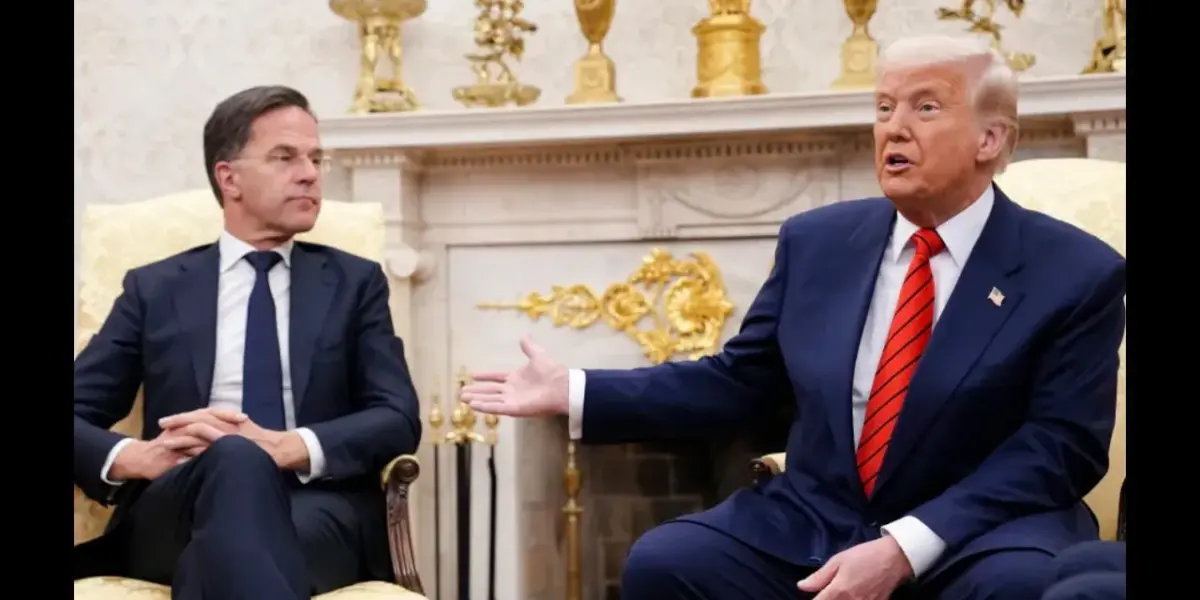
Trump Questions NATO’s Value, Allies Fear US Exit
President Trump recently posted comments about NATO, questioning the alliance’s support for the United States. He stated that NATO wasn’t there when America needed help and suggested it wouldn’t be there in the future. These remarks followed a meeting with NATO Secretary General Jens Stoltenberg.
Stoltenberg expressed clear disappointment with Trump’s stance and noted that many NATO allies share this concern. He acknowledged Trump’s point of view but also highlighted areas where European nations have been supportive. This support includes providing bases, logistics, and overflight rights for U.S. operations. Stoltenberg also pointed out that most European countries have met their defense spending commitments to the alliance.
Furthermore, Stoltenberg mentioned widespread backing for the U.S. role in degrading Iran’s nuclear and ballistic missile capabilities. He emphasized that only the United States possessed the capacity to carry out such crucial actions at that time. This suggests that while Trump focuses on perceived failures, there are areas of significant cooperation and shared interest.
A Direct Accusation
President Trump directly quoted his own assessment of NATO: “They were tested and they failed.” He added, “it’s quite sad that NATO turned their backs on the American people over the course of the last six weeks.” This strong language indicates a deep level of dissatisfaction from the President regarding the alliance’s actions, or lack thereof, during specific recent events.
The visit by Stoltenberg to the White House occurred with little public attention. However, it took place as U.S. relations with NATO have reached a critical point. Tensions over Iran and the Strait of Hormuz have strained these relationships. President Trump has repeatedly threatened to withdraw the U.S. from NATO. He has also criticized European allies for what he calls insufficient support.
Historical Context of NATO
The North Atlantic Treaty Organization (NATO) was formed in 1949, after World War II. Its main goal was to provide collective security against the Soviet Union. The core idea was simple: an attack on one member would be considered an attack on all. This principle, known as collective defense, has been the bedrock of the alliance for decades.
For many years, NATO was seen as a crucial shield for Western Europe. The United States played a leading role, providing military strength and political support. European allies contributed their own forces and resources. The alliance adapted over time, especially after the collapse of the Soviet Union, expanding its membership and scope.
Differing Perspectives on Support
Trump’s criticism often centers on defense spending. He has consistently argued that European allies are not paying their fair share. While some allies have increased their defense budgets, others have been slower to meet the agreed-upon targets. Trump views this as a burden on American taxpayers and a lack of commitment from allies.
On the other hand, NATO officials and many member states point to contributions beyond just financial spending. They highlight military deployments in places like Afghanistan, contributions to training missions, and humanitarian aid. These actions, they argue, demonstrate a commitment to shared security and global stability. The U.S. also benefits from intelligence sharing, joint military exercises, and the strategic positioning of allied forces.
Why This Matters
The potential withdrawal of the United States from NATO would have profound global consequences. NATO is the most powerful military alliance in the world. Its strength comes from the combined military power and political unity of its members. If the U.S. were to leave, it could significantly weaken the alliance’s ability to deter aggression and respond to crises.
Such a move could also embolden adversaries. Without the united front presented by NATO, countries that oppose the alliance might see opportunities to advance their own interests. This could lead to increased instability in Europe and beyond. Allies would also question the reliability of U.S. security guarantees, potentially leading to a more fragmented and dangerous world.
Implications and Future Outlook
President Trump’s rhetoric reflects a broader debate about the role of alliances in American foreign policy. Some argue that alliances are costly and that the U.S. should prioritize its own interests above all else. Others believe that alliances are essential for maintaining global security and promoting American values.
The current situation highlights a tension between America First policies and traditional multilateralism. While Trump emphasizes transactional relationships, many allies value the long-standing commitments and shared security provided by NATO. The future of NATO, and indeed the broader U.S. approach to international security, hangs in the balance.
The coming months will likely see continued discussions and potential actions regarding the U.S. commitment to NATO. The outcome will depend on political decisions within the United States and the reactions of its allies. The alliance’s ability to adapt and address the concerns of all its members will be crucial for its survival and effectiveness.
Source: Trump Meets With NATO Secretary as He Floats US Leaving Alliance (YouTube)

Related Articles

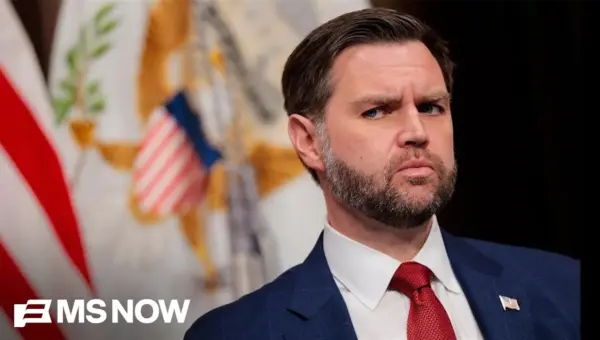
VP Vance Leads Crucial Iran Talks Amidst Complex Challenges
Vice President Vance is leading critical U.S. negotiations with Iran in Pakistan, aiming to end a regional conflict. The talks face significant hurdles, including ongoing Israeli actions in Lebanon and disruptions in the Strait of Hormuz, which Iran increasingly controls. Internal White House dynamics and unclear negotiating instructions add further complexity to the high-stakes discussions.
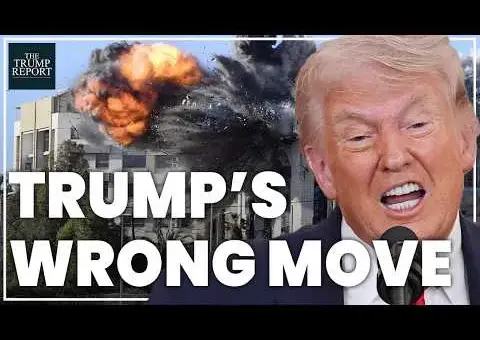
Trump’s Iran Policy Strengthened Hardliners, Experts Say
Experts argue that former President Trump's "maximum pressure" policy against Iran inadvertently strengthened hardliners and made the country more determined to pursue nuclear capabilities. The analysis highlights missed diplomatic opportunities and the unintended consequences of military action, suggesting a need for more nuanced strategies.


Global Powers Shift As New Alliances Form
Nations are constantly forming new partnerships and re-evaluating old ones to meet security and economic goals. These shifts, driven by individual country interests and historical context, are reshaping the global order and affecting international trade and stability.