Iran Missile Strikes Spark Market Jitters, Oil Prices Surge
Iran's missile launches and escalating tensions in the Strait of Hormuz are causing market jitters, with oil prices surging 4.5%. Despite geopolitical concerns, the White House remains optimistic about U.S. economic growth, driven by AI and pro-growth policies. Investors are watching closely as diplomatic efforts continue.

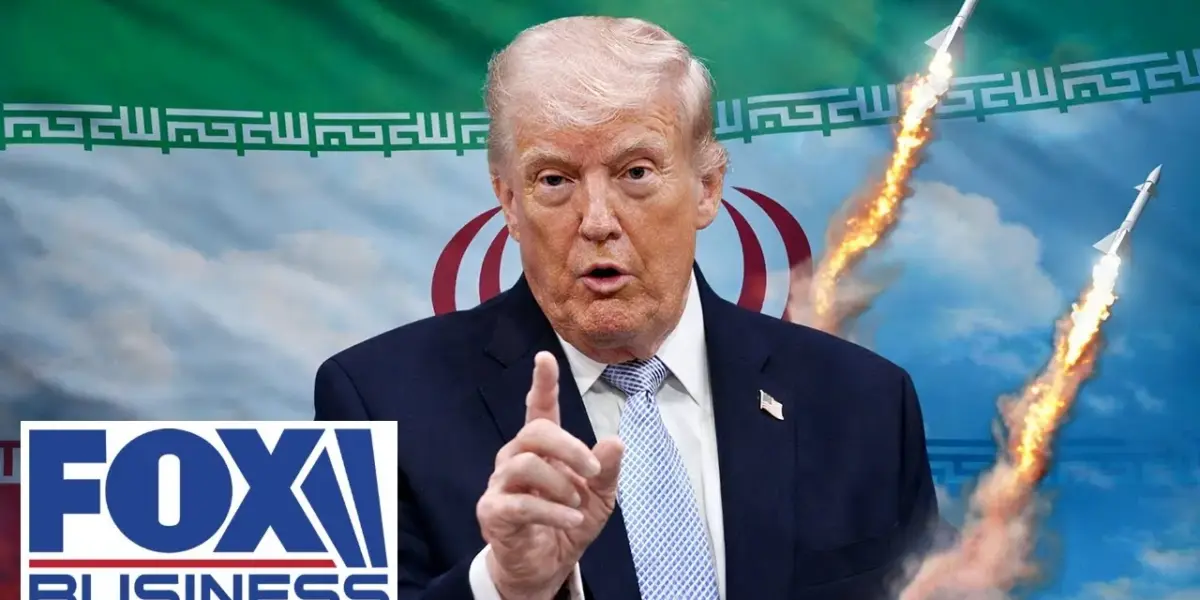
Iran Missile Strikes Spark Market Jitters, Oil Prices Surge
U.S. stock markets opened lower on Thursday, April 9th, with futures indicating a decline after a significant rally the previous day. The Dow Jones Industrial Average fell over 136 points, and the Nasdaq dropped 35 points. This market movement comes amid heightened geopolitical tensions following Iran’s missile launches and conflicting statements regarding peace talks.
Oil prices, however, saw a sharp increase, rising about 4.5% to $98.70 a barrel. This surge follows a significant drop in oil prices the previous day, highlighting the market’s sensitivity to developments in the Middle East. President Trump stated that all U.S. military weapons and capabilities would remain in place around Iran until a “real agreement” is reached.
Strait of Hormuz Tensions Escalate
Iran has been tightening its control over the Strait of Hormuz, a critical waterway for global oil transport. Tehran announced that vessels are now required to coordinate with Iran’s Revolutionary Guard (IRGC) and that fees will be charged for large tankers. This move comes after Iran reportedly violated a ceasefire, requiring vessels to coordinate their passage.
Kevin Hassett, White House National Economic Director, commented on the situation, stating, “We have an agreement, Iranians open Straits of Hormuz, have a ceasefire, they said letting many more ships through.” He added that the true impact will be monitored closely, noting that even one large tanker passing through could release two million barrels of oil, a significant portion of what is currently missing from global supply.
“Smoke and Mirrors” or Genuine Progress?
Some Wall Street firms have expressed skepticism, labeling the situation as “smoke and mirrors.” They point to continued Iranian missile and drone attacks on Saudi Arabia, the UAE, and Kuwait. Tehran’s recent statement that the Strait of Hormuz would close again raises questions about the sincerity of any de-escalation efforts.
However, officials argue that the ongoing peace talks are not meaningless. They contend that Iran’s military capabilities have been significantly degraded, with most of its missiles destroyed and its leadership largely eliminated. While acknowledging that some rogue elements might still act out, they expect such incidents to decrease over time.
Iran’s Demands and U.S. Stance
Iran has outlined a 10-point plan, seeking to continue trade with China and Russia, regain access to the global banking system, and normalize relations. The U.S. is considering lifting sanctions if Iran adheres to demands such as abandoning nuclear weapons, ceasing uranium enrichment, and ending support for proxies.
Hassett explained that while the initial demands from Iran might seem “silly,” the U.S. is working towards a potentially “great deal.” He emphasized the poor welfare of the Iranian people compared to their neighbors and suggested that establishing the rule of law and joining the community of nations could lead to a wealthy and peaceful country.
Economic Outlook and AI’s Role
Despite the geopolitical uncertainty, the White House remains optimistic about the U.S. economy. Hassett reiterated the expectation of 4-5% economic growth for the year, driven by increased productivity, deregulation, and tax policies. He highlighted strong orders and shipments of capital goods as indicators of investor confidence.
Artificial intelligence (AI) is seen as a significant driver of this productivity boom. Data suggests that small businesses adopting AI have seen their revenues grow by over 100% in the past year. This widespread adoption of AI across the economy is expected to fuel substantial growth.
Tariffs and International Trade
The U.S. is also using tariffs as a tool in its foreign policy. President Trump has warned that any country supplying Tehran with weapons could face a 50% tariff on goods sent to the United States. While specific countries were not named, China and Russia are seen as potential targets due to their support for Iran’s military.
Discussions around global taxes, such as digital services taxes and global minimum taxes, continue to be a point of contention with European allies. The U.S. believes that many of these initiatives violate existing tax treaties and that Europe needs to modernize and deregulate to compete effectively.
Federal Reserve and Monetary Policy
The potential impact of rising oil prices on inflation is a key concern. However, many in the Federal Reserve view this as a temporary supply shock that should not significantly alter long-term inflation rates. The confirmation hearing for Kevin Warsh, a nominee for the Federal Reserve, is expected to proceed, with strong support anticipated.
There is also discussion about the Federal Reserve’s balance sheet. The goal is to gradually reduce it to return the Fed to a more normal operating state, a process that has been ongoing since the 2008 financial crisis.
Defense Spending and Geopolitical Stability
The ongoing conflict has also brought attention to defense spending. The U.S. military is undergoing a review to ensure it has the necessary resources to address potential future threats. Increased defense spending is anticipated to ensure the military is equipped to handle high-tech adversaries.
Market Impact and Investor Outlook
The immediate market reaction shows a cautious sentiment, with indices trading lower. However, the long-term economic outlook, supported by productivity gains from AI and pro-growth policies, remains strong. The impact of the oil price spike is expected to be temporary, with futures markets anticipating a return to normalcy relatively quickly.
The U.S. is also positioning itself as a reliable energy supplier. Allies have shown interest in purchasing American oil and gas, seeking more secure energy supplies. This increased demand could further bolster the U.S. energy sector.
Regarding government spending, significant progress has been made in reducing federal employment, cutting over 300,000 jobs. This, along with defense spending reviews and tariff revenues, contributes to efforts to manage the national debt.
Source: 'SMOKE AND MIRRORS': Iran FIRES off missiles, call Trump peace talks 'MEANINGLESS' (YouTube)

Related Articles
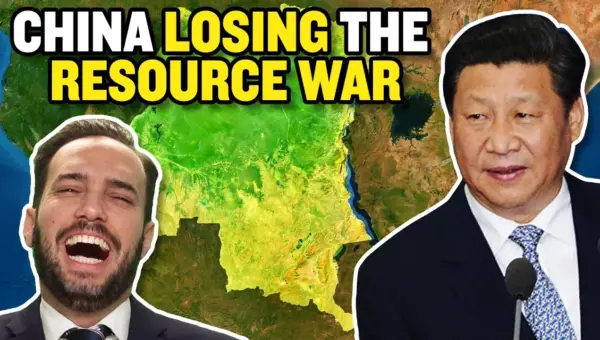
China Courts US Oil Amid Iran Deal, Rare Earth Race Heats Up
China is now importing US oil amid a complex geopolitical landscape, including brokering an Iran ceasefire and facing challenges in its rare earths dominance. Meanwhile, regional disputes over strategic islands and airspace add to global tensions.
Iran Threatens Strait of Hormuz Amid Lebanon Strikes
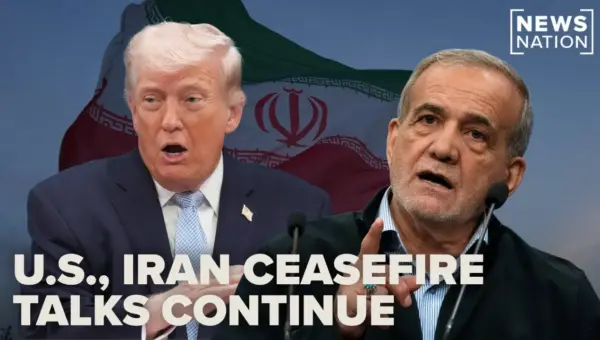
Iran threatens to close the vital Strait of Hormuz in response to ongoing strikes in Lebanon. The US is trying to de-escalate, but actions on the ground remain a concern, potentially impacting global oil markets and future negotiations.
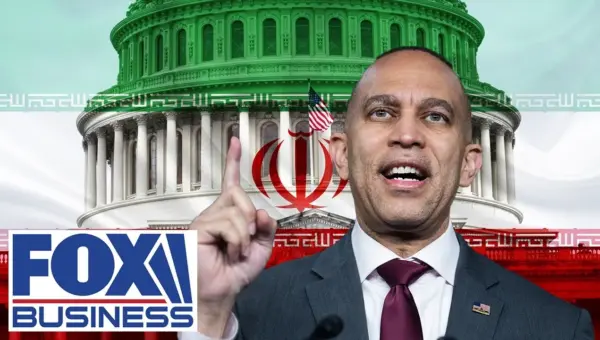
Senator Slams Jeffries’ Iran Stance, Cites Nuclear Threat
Senator Rick Scott sharply criticized House Democratic Leader Hakeem Jeffries over his stance on Iran, calling him an "idiot" for seeking to limit the President's authority. Scott highlighted the threat of Iran developing nuclear weapons. The discussion also covered President Trump's stance on NATO and the ongoing DHS funding shutdown.