Two Towers: A Glorious, Grimy Middle Chapter
The Lord of the Rings: The Two Towers, the middle chapter of Peter Jackson's epic saga, masterfully balanced multiple storylines, delivered breathtaking action, and showcased groundbreaking performances. A critical and commercial triumph, it solidified the franchise's legendary status.

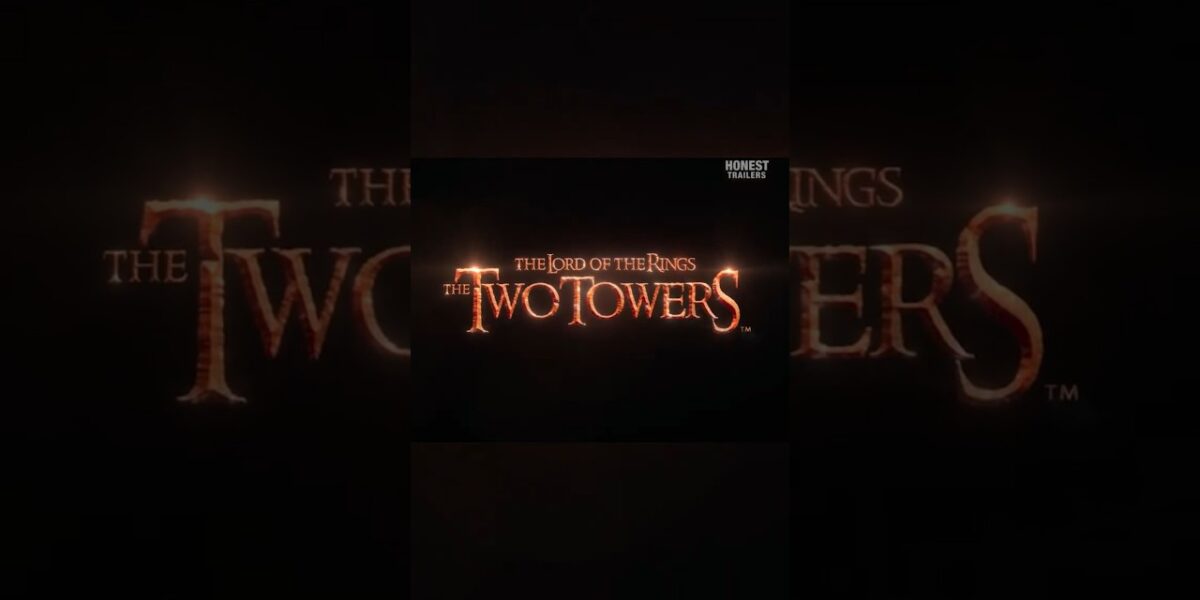
The Lord of the Rings: The Two Towers – A Triumph of Middle-Earth’s Midpoint
Peter Jackson’s epic journey through J.R.R. Tolkien’s Middle-earth continued with 2002’s The Lord of the Rings: The Two Towers, a film that masterfully navigated the treacherous middle ground of a sprawling saga. While its predecessor, The Fellowship of the Ring, laid the groundwork and its successor, The Return of the King, provided the thunderous climax, The Two Towers stands as a testament to the power of the journey itself, delivering breathtaking action, profound character development, and a grimly compelling narrative that cemented its place as a beloved entry in the franchise.
A Franchise at Full Gallop
Released on December 18, 2002, The Two Towers arrived with immense expectations following the critical and commercial success of The Fellowship of the Ring. New Line Cinema, the studio behind the ambitious adaptation, had gambled heavily on Jackson’s vision, and the first film’s triumphant reception proved the bet was paying off. The Two Towers continued this momentum, grossing over $936 million worldwide against a reported production budget of $94 million, making it the second-highest-grossing film of 2002. Its critical reception was overwhelmingly positive, with many hailing it as a darker, more intense installment that raised the stakes considerably.
The Weight of the World
The film picks up the narrative threads left dangling at the end of Fellowship. Frodo Baggins (Elijah Wood) and his loyal companion Samwise Gamgee (Sean Astin) continue their perilous quest to destroy the One Ring, now guided by the conflicted and Gollum-like creature, Sméagol (Andy Serkis). Meanwhile, Aragorn (Viggo Mortensen), Legolas (Orlando Bloom), and Gimli (John Rhys-Davies) pursue the Uruk-hai who have captured Merry Brandybuck (Dominic Monaghan) and Pippin Took (Billy Boyd). Their path leads them to the war-torn kingdom of Rohan, a land teetering on the brink of destruction at the hands of the corrupted wizard Saruman (Christopher Lee).
New Allies, Ancient Evils
The Two Towers introduced a host of memorable new characters and expanded upon existing ones. We meet Éowyn (Miranda Otto), the Shieldmaiden of Rohan, and her uncle, King Théoden (Bernard Hill), whose kingdom is under the insidious influence of Saruman and his servant, Gríma Wormtongue (Brad Dourif). The audience also gets a deeper, more sympathetic, yet terrifying glimpse into the fractured psyche of Gollum, brought to life through Andy Serkis’s groundbreaking motion-capture performance. Serkis’s portrayal of Gollum, a creature wrestling with his past self and his present obsession, is a tour de force, earning widespread acclaim and pushing the boundaries of digital character creation in cinema.
Helm’s Deep: A Siege for the Ages
The film’s centerpiece is undoubtedly the Battle of Helm’s Deep, a sprawling, brutal, and utterly mesmerizing siege sequence. The defenders of Rohan, vastly outnumbered, face an overwhelming army of Uruk-hai. Jackson orchestrates this battle with a masterful hand, blending visceral action with moments of quiet desperation and heroism. The sheer scale of the conflict, coupled with the raw emotion of the characters fighting for their survival, makes it one of the most iconic battle sequences in cinematic history. The desperation, the courage, and the sheer tenacity displayed by Aragorn, Legolas, Gimli, and the Rohirrim under siege is a powerful reminder of the film’s thematic core: the enduring spirit of hope in the face of overwhelming darkness.
A Masterclass in Pacing and Tone
What makes The Two Towers so effective is its ability to balance multiple storylines without losing focus. The film expertly weaves together Frodo and Sam’s increasingly fraught journey, Aragorn’s burgeoning leadership, and the desperate plight of Rohan. The tone shifts from the melancholic introspection of Frodo’s quest to the grim determination of the war-torn lands, creating a rich and immersive experience. The introduction of the Ents, the ancient tree-like beings led by Treebeard (voiced by John Rhys-Davies), adds a touch of wonder and a surprising, albeit slow-burning, force of nature to the unfolding conflict. Their decision to join the fight against Saruman provides a crucial turning point, demonstrating that even the most ancient and seemingly passive forces can be roused to action.
Critical Consensus and Legacy
Upon its release, The Two Towers was lauded by critics for its visual effects, action sequences, performances, and its ability to expand upon the world established in the first film. While some noted the film’s darker tone and the absence of a definitive beginning or end, these were largely seen as strengths, indicative of its position as the crucial middle chapter. The film garnered significant awards attention, including six Academy Award nominations, ultimately winning for Best Visual Effects. Its legacy is that of a film that not only met but exceeded the high bar set by its predecessor, proving that the epic scale of Tolkien’s world could be translated to the screen with both spectacle and soul. It remains a cornerstone of the Lord of the Rings trilogy, a testament to Peter Jackson’s visionary direction and the enduring power of a story about courage, friendship, and the fight against overwhelming evil.
Source: Honest Trailers | The Lord of the Rings: The Two Towers (YouTube)

Related Articles

Mario Movie’s Galaxy Sequel Gets Brutal Review!
A panel of critics delivered a brutal assessment of a hypothetical Super Mario Galaxy movie, with scores as low as 45/100. The discussion highlighted the challenges of adapting beloved game franchises for the big screen.

Mario Movie Sequel Disappoints, Lacks ‘Galaxy’ Sparkle
The Super Mario Bros. movie sequel arrives with a muted reception, failing to recapture the magic of the first film. While Bowser shines, the plot falters, leaving many wanting more substance.
Tom Hanks Stranded: Cast Away Still Hits Hard
Tom Hanks's iconic performance as a stranded FedEx executive in "Cast Away" continues to resonate over 20 years later. The film masterfully explores themes of survival, isolation, and the human need for connection, making it a timeless classic.