Influencers Exposed: Top Scams That Ripped Off Fans
From crypto schemes to fake health cures, this article exposes the shocking scams pulled off by popular influencers. Discover how figures like Logan Paul, Brittany Dawn, and others defrauded their loyal followers out of millions, ruining trust and leaving fans financially devastated.

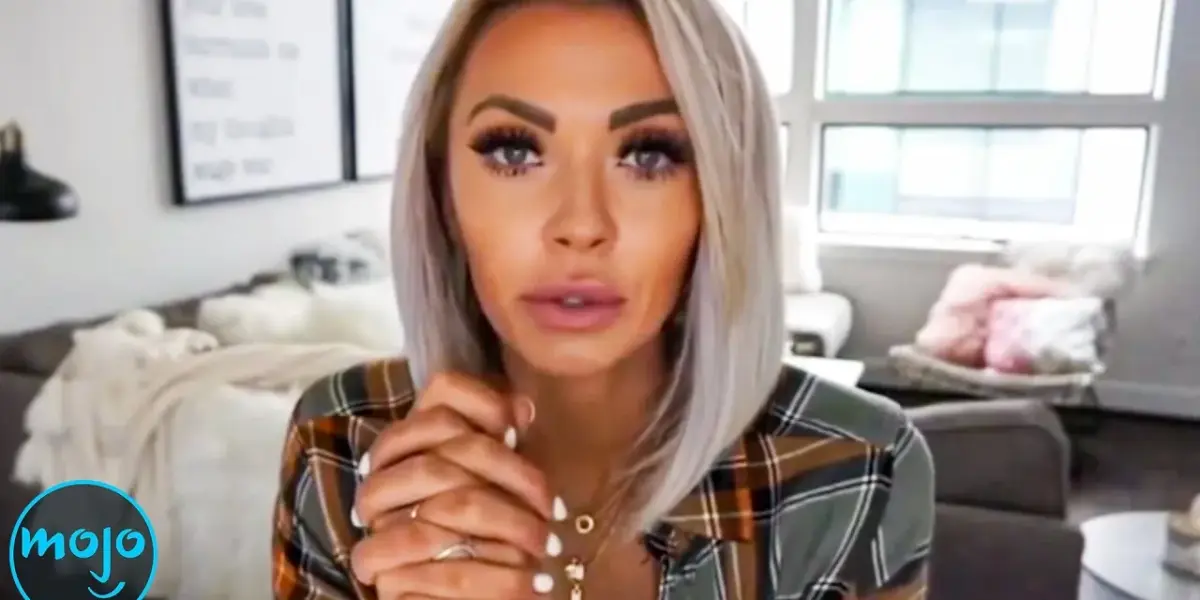
Influencer Scams Uncovered: From Crypto Chaos to Fake Fitness
The shiny world of social media influencers often promises connection and inspiration, but sometimes it hides a darker side. Many followers have been left heartbroken and out of pocket after falling victim to elaborate scams orchestrated by their favorite online personalities. From fake charities to non-existent games, these influencers used their trusted platforms to swindle fans out of millions.
CryptoZoo Crash: Logan Paul’s Million-Dollar Mess
In late 2021, during the frenzy around NFTs and cryptocurrencies, YouTube star Logan Paul heavily promoted ‘CryptoZoo.’ He told his millions of followers it was a blockchain game where they could earn easy money. Excited fans bought special tokens and digital eggs, hoping for a big payday. However, the game was never actually playable. It turned out to be a classic ‘rug pull,’ where the creators disappear with the investors’ money. Millions of dollars vanished, and Paul faced a major lawsuit from angry investors who lost large sums. While he blamed developers and offered some buybacks, the damage was done.
Fake Fitness Guru: Brittany Dawn’s Deceptive Plans
Fitness influencer Brittany Dawn built a huge following by selling what she claimed were personalized workout and diet plans. She charged up to $300 per plan, even calling herself an ‘eating disorder soldier’ to connect with vulnerable women. But many customers discovered they were just getting the same generic PDF file as everyone else. Worse, Dawn allegedly gave dangerous advice without proper training, leading to health problems for some. The state of Texas stepped in, and she had to pay a $400,000 settlement in 2023 for deceptive practices. This settlement also banned her from selling plans without providing actual coaching and claiming special knowledge about eating disorders.
‘Save the Kids’ Crypto Collapse
In 2021, members of the popular esports group FaZe Clan promoted a cryptocurrency called ‘Save the Kids.’ They said it was a charity project where money from transactions would go to children’s charities. The coin had a feature to prevent big sell-offs. But right before it launched, the code was secretly changed. As soon as fans bought the coin, major holders dumped their shares, causing the price to crash to zero. The scheme was exposed, and FaZe Clan fired some members and suspended others, marking a huge blow to their reputation.
TanaCon Disaster: A Convention Gone Wrong
YouTuber Tana Mongeau tried to capitalize on dissatisfaction with the official VidCon event in 2017 by creating her own convention, TanaCon. She promised a cheaper, creator-focused event with celebrity guests. Thousands of fans bought tickets, some traveling from overseas. However, the chosen venue was too small, only able to hold about 1,000 people, while Tana’s team sold around 5,000 tickets, including expensive VIP passes. Attendees were left waiting for hours in the heat with no food or water. Several people fainted before the fire marshal shut the event down. Fans who paid for travel and tickets were left with heatstroke and disappointment.
Ice Poseidon’s CXCoin Rug Pull
Livestreamer Ice Poseidon, known for online drama, launched his own cryptocurrency, CXCoin. He urged his fans to invest, promising a good future for the coin. Loyal viewers put hundreds of thousands of dollars into it. Then, Ice Poseidon allegedly pulled the rug, draining about $500,000 from the fund and making the coin worthless. When confronted, he reportedly admitted he kept the money and told his fans they were foolish for trusting him.
Jay Mazini’s Ponzi Scheme
Jabbbar Ikbal, known as Jay Mazini, gained a large following by giving cash to fast-food workers in videos. He presented himself as a successful crypto investor and a devout Muslim. He used this image to promote his company, Halal Capital, promising high returns on investments. In reality, he was running a Ponzi scheme, using his followers’ money for gambling and a lavish lifestyle. Investors lost over $8 million. Mazini was eventually sentenced to seven years in prison for wire fraud and ordered to pay $10 million in fines and restitution.
Social Gloves: A Boxing Event That Never Paid
Austin McBroom, from the ACE Family, promoted a major boxing event in 2021 called Social Gloves, featuring YouTubers versus TikTokers. The event promised big payouts for fighters and creators. Despite McBroom claiming the broadcast was a huge success, the company behind it quietly filed for bankruptcy. McBroom secretly owned the majority of the company. Fighters and investors who put in money were left unpaid. This led to multiple lawsuits for breach of contract and fraud.
CSGOLotto: YouTubers Caught in Gambling Scam
In 2016, gaming YouTubers TmarTn and Syndicate posted videos showing themselves winning large amounts on a ‘Counter-Strike’ skin gambling site called CSGOLotto. Their excitement encouraged many young viewers to try the site. What they didn’t reveal was that they owned CSGOLotto. They could control the site’s code, making their wins look like luck when they were actually rigged. This led to a government crackdown by the FTC, forcing them to settle and disclose their business ties. The scandal also sparked lawsuits against Valve, the company behind ‘Counter-Strike,’ for allegedly enabling underage gambling.
Gabbie Hanna’s Brush Giveaway Scam
In 2018, YouTuber Gabbie Hanna promoted a ‘free’ makeup brush set from Kenza Cosmetics, asking fans only to pay for shipping. This turned out to be a cheap drop-shipping scam. Followers paid $10 for shipping on flimsy brushes that cost much less, and many never even received their orders. When called out, Hanna initially refused to apologize, blaming her audience. The backlash grew, eventually forcing her to issue a public apology.
Caroline Calloway’s Workshop Flop
Instagram personality Caroline Calloway gained a following by sharing romanticized stories about her life. In 2018, she announced a multi-city workshop tour, promising a magical experience with personalized letters, flower crowns, and catered lunches for $165 per ticket. However, the tour quickly became a disaster. Venues weren’t secured, the food was just takeout salads, and the promised letters were never made. After widespread criticism, Calloway canceled the remaining dates and issued refunds.
Jake Paul’s ‘Edfluencer’ Course
In 2018, Jake Paul released an online course called ‘Edfluencer’ to teach people how to become influencers. The initial price was $7 for one video with basic tips. To access more content, users had to pay an extra $57, but the additional videos were also considered useless. The course was shut down in 2020. Shortly after, Paul launched ‘financial freedom movement,’ a similar program costing $19.99 per month.
Mona 4 Real’s Romance Scams
Ghanaian influencer Mona Montrage, also known as Mona 4 Real or Hajia 4 Real, was arrested in the UK in 2022 on suspicion of fraud. She was accused of leading a group that targeted elderly people through romance scams, stealing over $2 million. The scam involved fraudulent emails, texts, and social media messages. In 2023, she was extradited to the US and pleaded guilty to conspiracy to handle stolen money. She was sentenced to one year in jail and ordered to repay the stolen funds.
Danielle Miller’s Pandemic Relief Fraud
During the COVID-19 pandemic in 2020, Danielle Miller stole the identities of 10 people to apply for government relief funds, totaling around $1.5 million. She used this money to fund a lavish lifestyle she showed off on social media, including private jet trips and luxury hotels. In 2023, while already serving a sentence for bank fraud, she received another five years in prison for the pandemic relief fraud. The funds she stole were meant for those who had lost income due to the pandemic.
Belle Gibson’s Fake Cancer Battle
In 2013, Australian Belle Gibson claimed she had multiple cancers and launched a nutrition app called ‘The Whole Pantry.’ She shared her journey on social media, portraying herself as a sick mother who found healing through healthy food. She also claimed to have donated large sums to charity. However, it was all a lie. Gibson never had cancer and never donated money to charities as promised. In 2015, she admitted her fraud. In 2017, she was ordered to pay about $311,000 USD for her fraud, which she has not yet paid.
Amanda Riley’s Fake Illness and Donations
In 2012, Amanda Riley announced she had stage 3 Hodgkin’s lymphoma and started a blog detailing her battle. Donations poured in, raising over $100,000 to help her. However, a friend raised suspicions, and an investigation revealed it was all a lie. Riley did not have cancer. In 2021, she pleaded guilty to fraud charges and received a five-year jail sentence, along with orders to pay restitution for the stolen money.
Kat Torres’s Cult and Trafficking Scheme
Brazilian model Katiuscia Torres Soares, known as Kat Torres, ran a wellness brand on Instagram. She presented herself as a self-help guru. However, she was allegedly operating a cult and trafficking people. She invited Brazilians to live with her in the US, but they were allegedly turned into slaves under her control. The FBI got involved after two women went missing. In 2024, Torres was sentenced to eight years in prison for her crimes.
Chiara Ferragni’s Pandoro and Easter Egg Scandal
Italian influencer Chiara Ferragni was fined nearly $1.2 million in 2023 for a scandal involving a Christmas cake called Pandoro. She had claimed that sales would help fund a children’s hospital, but the hospital received no money. In 2024, she agreed to pay nearly $1.3 million to a charity for a similar issue with Easter eggs sold in previous years. She is also facing criminal charges for misleading consumers.
Source: 20 Times Influencers Scammed Their OWN FANS (YouTube)

Related Articles
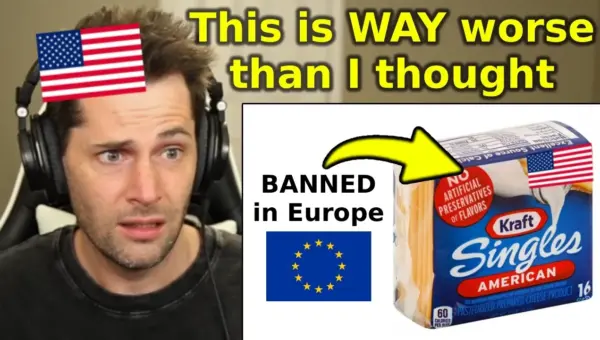
US Food Lags Europe: Why Do We Eat What Others Ban?
A critical look at why Americans consume foods banned in Europe reveals a stark contrast in regulatory philosophy and labeling standards. From imitation cheese to vague ingredient lists, the U.S. food system prioritizes cost and shelf-life over stringent safety and authenticity, leaving consumers in the dark about what they're truly eating.
Melania Trump Demands End to Epstein Lies
Melania Trump has publicly demanded an end to what she calls "lies" linking her to Jeffrey Epstein. She stated she never had a relationship with him and that any shared party attendance was due to overlapping social circles. Trump clarified she met her husband independently.

Infomercial Nightmares: Products That Sparked Mega Lawsuits
From exploding blenders to faulty hoses, some "As Seen on TV" products have led to massive lawsuits. Discover the shocking legal battles behind popular infomercial items that promised much but delivered trouble.