Return of the King: Still a Masterpiece?
Two decades after its release, The Lord of the Rings: The Return of the King continues to stand as a cinematic masterpiece. Winning 11 Oscars, including Best Picture, it remains a beloved epic with timeless themes and unforgettable characters.

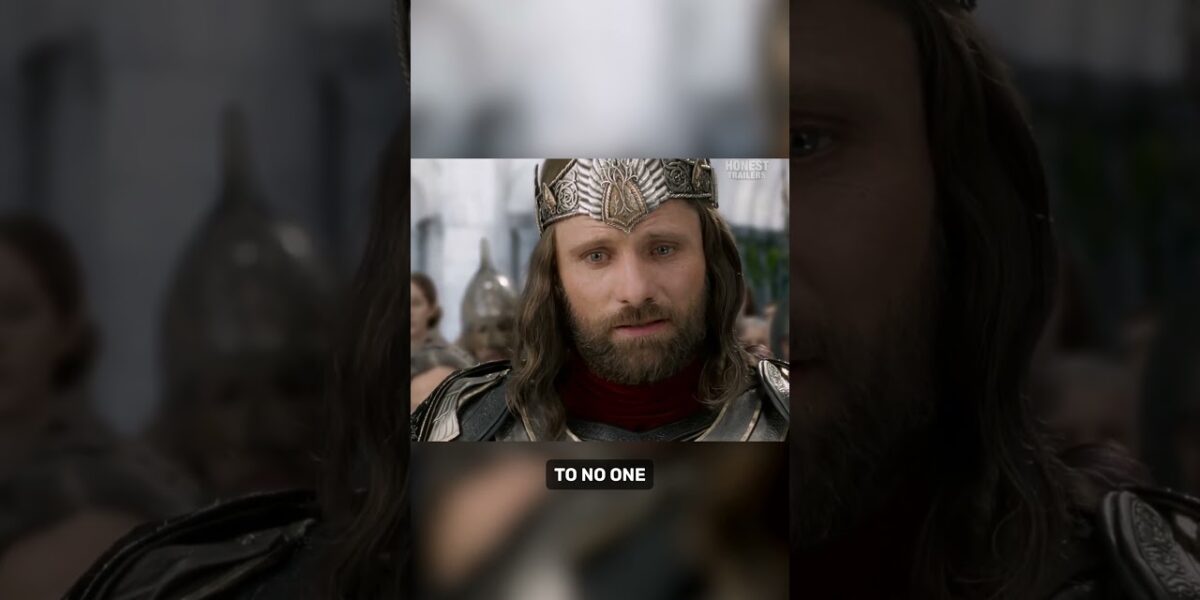
Return of the King: Still a Masterpiece?
It’s been nearly two decades since Peter Jackson’s epic conclusion to J.R.R. Tolkien’s legendary saga, The Lord of the Rings: The Return of the King, first graced the silver screen. Released on December 17, 2003, the film not only swept the Academy Awards, famously winning all 11 of its nominations, including Best Picture, but it also cemented its place in cinematic history as one of the greatest fantasy films ever made. But in an age of endless reboots and streaming fatigue, does The Return of the King still hold up? Let’s dive back into the battle for Middle-earth.
An Unprecedented Oscar Sweep
The 2004 Academy Awards ceremony was a night of triumph for The Return of the King. Matching the record set by Ben-Hur and later tied by Titanic, the film’s 11 Oscar wins were a monumental achievement, especially for a fantasy film, a genre that had historically struggled to gain serious recognition from the Academy. Winning Best Picture was a watershed moment, signaling a shift in how Hollywood viewed fantasy epics. The film’s director, Peter Jackson, also took home the Best Director award, a testament to his ambitious vision and masterful execution of Tolkien’s sprawling narrative.
The film’s critical acclaim was nearly universal. Critics lauded its breathtaking scope, stunning visual effects (especially for its time), powerful performances, and its ability to capture the emotional weight of the story. The sheer scale of the production, filmed entirely in New Zealand, was a feat of logistical and artistic brilliance. From the harrowing siege of Minas Tirith to the fiery slopes of Mount Doom, the film delivered spectacle on an unparalleled level.
The Emotional Core of Middle-earth
Beyond the grand battles and epic quests, The Return of the King’s enduring power lies in its emotional resonance. The culmination of the Fellowship’s journey, the sacrifices made, and the bonds of friendship tested to their limits are what truly elevate the film. The story of Frodo and Sam’s arduous trek to destroy the One Ring, facing unimaginable horrors and the corrupting influence of the Ring itself, is a deeply moving exploration of courage, loyalty, and hope in the face of despair.
One of the most iconic moments, often cited by fans and critics alike, is Aragorn’s rousing speech to the armies of Rohan and Gondor before the Battle of the Pelennor Fields: “My friends, you bow to no one.” This scene, filled with palpable tension and a sense of heroic defiance, perfectly encapsulates the spirit of the film. It’s a moment that reminds us of the stakes, the bravery of ordinary people (and hobbits) thrust into extraordinary circumstances, and the fight for a world worth saving.
The film doesn’t shy away from the cost of war and heroism. The emotional toll on Frodo, the physical and mental exhaustion of Sam, and the grief experienced by characters like Éowyn and Merry are portrayed with raw honesty. Even the seemingly lighthearted moments, like the hobbits’ reunion and the subsequent multiple endings that have been both praised and debated, serve to underscore the profound impact of their journey and the peace they fought so hard to achieve.
Enduring Legacy and Fan Reception
Decades later, The Return of the King continues to be a beloved film. Its place on countless “best of” lists is a testament to its lasting impact. The film’s box office success was immense, grossing over $1.1 billion worldwide during its initial theatrical run, making it one of the highest-grossing films of all time. This commercial success, coupled with its critical and awards dominance, solidified The Lord of the Rings trilogy as a cultural phenomenon.
The fan base for The Lord of the Rings remains incredibly passionate. Even with the advent of new fantasy series and films, the original trilogy, and particularly The Return of the King, is frequently revisited and celebrated. The films have spawned a dedicated community, extensive merchandise, and continue to inspire aspiring filmmakers and storytellers. The recent release of The Lord of the Rings: The Rings of Power on Amazon Prime Video, while met with mixed reviews, demonstrates the enduring appeal of Tolkien’s world, with many fans returning to the Jackson films as the definitive on-screen adaptation.
Does It Still Hold Up?
In a word: absolutely. While some of the CGI might show its age slightly compared to today’s hyper-realistic standards, the practical effects, the score by Howard Shore, the intricate costume and set design, and most importantly, the storytelling and performances, remain as compelling as ever. The film’s pacing, despite its nearly three-and-a-half-hour runtime (even longer in its extended edition), is masterful, building tension and delivering emotional payoffs with precision.
The themes of good versus evil, the corrupting nature of power, and the strength found in unity and friendship are timeless. The Return of the King isn’t just a fantasy film; it’s a profound human drama set against an epic backdrop. It’s a story about the courage to face overwhelming odds, the importance of companionship, and the hope that even in the darkest of times, a new dawn will break.
So, yes, pause your movie, grab some tissues, and prepare to be moved. Because whether you’re watching it for the tenth time or the first, The Lord of the Rings: The Return of the King remains a cinematic triumph, a testament to the power of storytelling, and a film that truly bows to no one.
Source: Honest Trailers Preview – The Lord of the Rings: The Return of the King (YouTube)

Related Articles
Return of the King: A Brutal, Beloved Epic
The epic conclusion to Peter Jackson's Lord of the Rings trilogy, 'The Return of the King,' remains a cinematic masterpiece. Released in 2003, it achieved massive box office success and a historic 11 Oscar wins, including Best Picture. The film is celebrated for its breathtaking scope, emotional depth, and the triumphant, hard-won victory against Sauron.

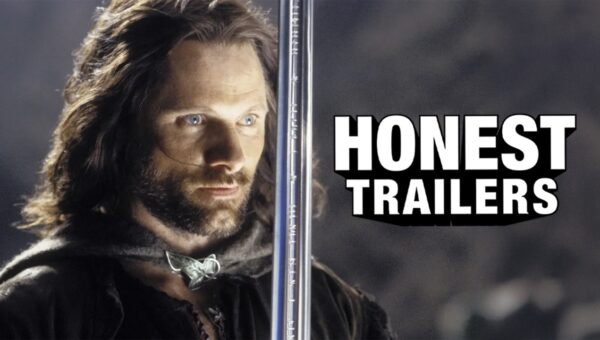
Return of the King: A Trilogy’s Epic Conclusion
The Lord of the Rings: The Return of the King concludes Peter Jackson's epic trilogy with breathtaking battles, profound emotional arcs, and a historic sweep at the Oscars. Discover why this extended edition remains a timeless masterpiece.
Two Towers: A Glorious, Grimy Middle Chapter
The Lord of the Rings: The Two Towers, the middle chapter of Peter Jackson's epic saga, masterfully balanced multiple storylines, delivered breathtaking action, and showcased groundbreaking performances. A critical and commercial triumph, it solidified the franchise's legendary status.