Trump’s Crazy Decisions: Aide Admits No One Knows
A top aide to Donald Trump, Karoline Leavitt, admitted that only the President knows his next moves regarding Iran. This highlights concerns about unpredictable leadership and raises questions about accountability in foreign policy decisions.

Trump’s Crazy Decisions: Aide Admits No One Knows
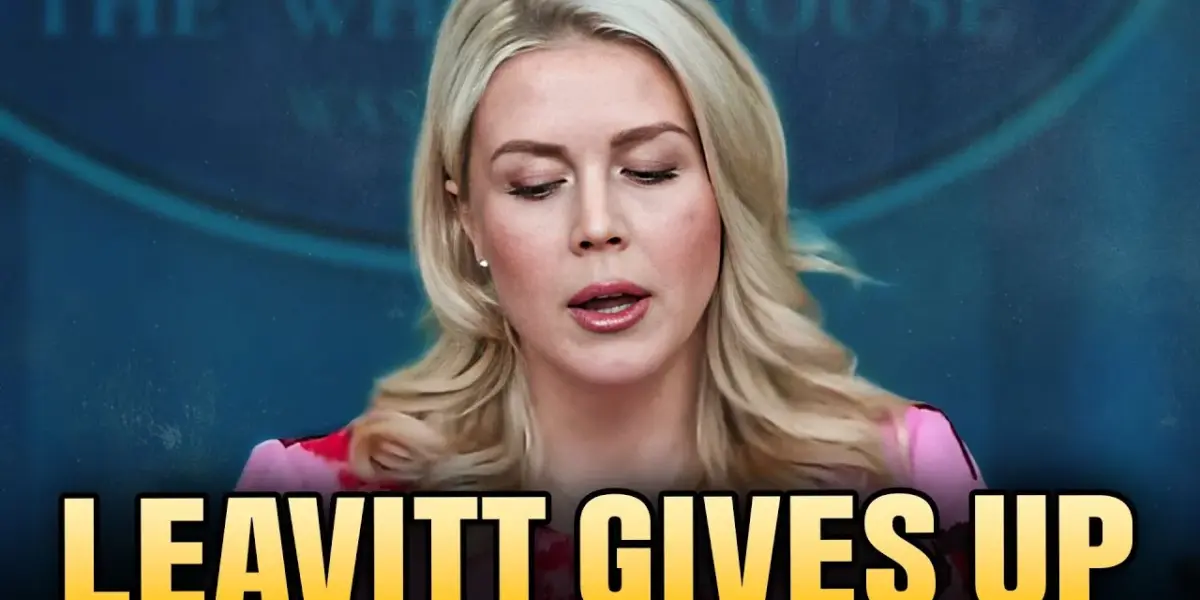
In a surprising moment of candor, a top aide to Donald Trump, Karoline Leavitt, seemed to admit that no one, not even within the administration, truly knows what the President will do next. This statement came after Trump issued a serious threat regarding Iran. When asked by a reporter what would happen, Leavitt’s response was blunt: “Who the hell knows?”
The Aide’s Blunt Admission
Leavitt’s exact words were, “The Iranian regime has until 8:00 PM Eastern Tuesday to meet the moment and make a deal with the United States. Only the president knows where things stand and what he will do.” This statement can be seen in two ways. One interpretation is that Leavitt herself has given up trying to predict Trump’s actions. She seems to be saying that after a certain deadline, it’s entirely up to Trump, and everyone else can only guess. It suggests a feeling that Trump might just do whatever he wants, regardless of anyone else’s input.
The second way to view her statement is as a quiet admission that all decision-making power rests solely with Trump. Leavitt appears to be saying that Trump is the one making 100% of the plans and all the decisions. This means that if things go wrong, Trump is fully responsible. Her words essentially tell the public to blame him if they don’t like what happens, because the decisions are not coming from anyone else, like other advisors or generals.
Trump’s Unpredictable Style
This admission highlights a pattern of decision-making that many observers have noted in Trump’s presidency. His actions can seem unpredictable, sometimes influenced by his mood, news he sees, or even things he reads on social media. This kind of leadership style can create uncertainty, not just for foreign adversaries but also for his own team and allies. It suggests that policy outcomes might depend on Trump’s personal reactions rather than a carefully considered strategic plan.
Historical Context: A Pattern of Unpredictability
Throughout history, leaders have made decisions based on various factors. However, Trump’s approach often appears more impulsive than that of many predecessors. His willingness to make high-stakes decisions with little apparent consultation has been a consistent feature of his time in office. This can be seen as a strength by some, who view it as decisive leadership, but as a weakness by others, who worry about the potential for errors and unintended consequences.
A Ceasefire and Lingering Uncertainty
In the specific situation with Iran, a two-week ceasefire was eventually reached, with Pakistan playing a role in brokering a deal. The Strait of Hormuz was expected to reopen during this period. However, as Leavitt’s statement implies, the future remains uncertain. The underlying issues and the potential for renewed conflict are still present, with Trump’s future actions being the key unknown factor.
Why This Matters
Leavitt’s admission is significant because it sheds light on the inner workings of the executive branch. When a top aide suggests that only the President knows what’s going to happen, it raises questions about the stability and predictability of U.S. foreign policy. This uncertainty can have real-world consequences, affecting international relations, global markets, and the safety of citizens both at home and abroad. It also places immense pressure on the President, as all responsibility for significant decisions ultimately falls on his shoulders.
Implications and Future Outlook
The trend of a single leader making unilateral decisions can lead to a more volatile international environment. Allies may become hesitant to rely on commitments, while adversaries might see opportunities in perceived unpredictability. For the public, it means a constant state of watching and waiting, trying to decipher the President’s intentions. Moving forward, this style of leadership will likely continue to be a subject of debate, with supporters praising decisive action and critics warning of the dangers of unchecked power.
Ultimately, Karoline Leavitt’s comment, whether intended as a confession of helplessness or a statement of Trump’s sole authority, points to a leadership style where the ultimate decisions rest with one person. This places a heavy burden of responsibility on Donald Trump for all past, present, and future outcomes, with the exception of the recent ceasefire, which was facilitated by Pakistan.
Source: Karoline Leavitt Gives Up, Accidentally Admits Trump's Crazy (YouTube)

Related Articles
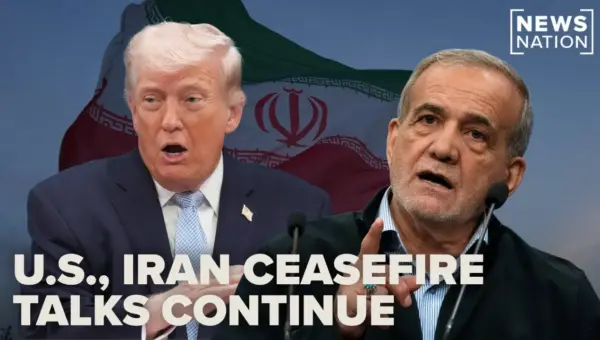
Iran Threatens Strait of Hormuz Amid Lebanon Strikes
Iran threatens to close the vital Strait of Hormuz in response to ongoing strikes in Lebanon. The US is trying to de-escalate, but actions on the ground remain a concern, potentially impacting global oil markets and future negotiations.
Senator Slams Jeffries’ Iran Stance, Cites Nuclear Threat
Senator Rick Scott sharply criticized House Democratic Leader Hakeem Jeffries over his stance on Iran, calling him an "idiot" for seeking to limit the President's authority. Scott highlighted the threat of Iran developing nuclear weapons. The discussion also covered President Trump's stance on NATO and the ongoing DHS funding shutdown.
Iran’s Hormuz Threat: A Known Tactic, Not New
Recent conflict did not teach Iran a new tactic by threatening to close the Strait of Hormuz. Experts and Iranian planners have long understood this strategic leverage. The effectiveness of the recent shutdown was tied to global perceptions of the preceding conflict's instigator, not a newfound Iranian capability.