World Leaders Blast Trump as Ceasefire Falters
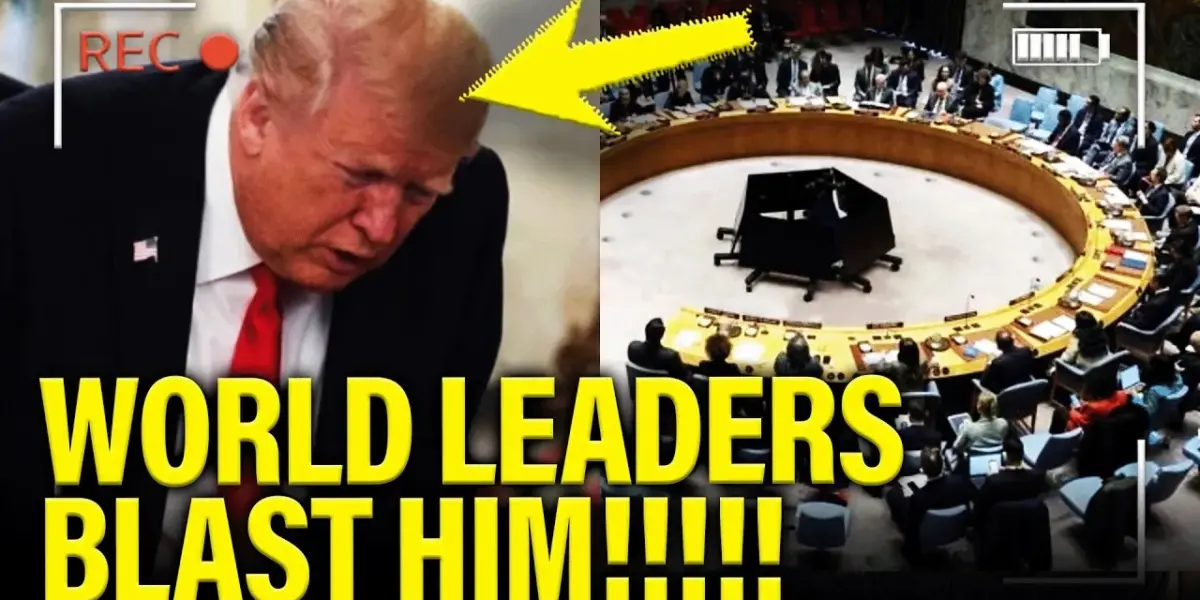
World leaders are sharply criticizing Donald Trump's Iran policy, calling it weak and disastrous as a ceasefire falters. International figures question his commitment and global standing. Allies express concern, and rivals appear emboldened.

World Leaders Condemn Trump’s Iran Policy
Global leaders are sharply criticizing Donald Trump’s approach to the conflict in Iran, calling his actions weak and disastrous. Many feel his policies have undermined America’s standing on the world stage. This criticism comes as a ceasefire appears to be collapsing, with international figures questioning Trump’s commitment and understanding of the agreements he made.
Reports suggest Trump initially agreed to Iran’s 10-point framework for peace. However, he later appeared to backtrack, claiming he never agreed to it. This inconsistency has led to widespread condemnation. Publications like the UK’s New Statesman have published articles detailing how Trump’s actions may have damaged the American empire’s global influence.
International Discontent Grows
The fallout from Trump’s handling of the Iran situation is evident in several countries. French President Emmanuel Macron has publicly stated his hope that the ceasefire will be fully respected in all conflict zones, including Lebanon. This statement directly challenges Trump and Israeli Prime Minister Netanyahu, who claimed Lebanon was not part of the deal.
Similarly, Spain’s Prime Minister Pedro Sanchez has been vocal, condemning recent attacks on Lebanon and calling for an end to impunity for what he termed criminal acts. He has urged the international community and the European Union to take strong action, including suspending association agreements with Israel.
Even the Vatican has reportedly faced pressure from the Trump administration. Pope Francis is said to have received threats after speaking out against what were described as imperialist tactics. The Pope has not backed down, canceling planned trips to the U.S. and continuing his criticism.
Middle Eastern Allies Express Concern
Countries in the Middle East, including Saudi Arabia and the UAE, are reportedly feeling unprotected by the U.S. under Trump’s leadership. They invested heavily in U.S. security guarantees, expecting protection. Now, they feel abandoned, leading some, like the UAE, to take independent military action, such as striking Iranian facilities. This suggests a breakdown in trust and a move by these nations to secure their own interests.
Canada and Hungary Show Opposition
The trend of leaders standing against Trump is visible in Canada and Hungary. In Canada, Prime Minister Justin Trudeau’s Liberal Party has gained stability, with opposition leader Pierre Poilievre, described as a “Trump sycophant,” facing political setbacks. This suggests that aligning with Trump is becoming a political liability.
In Hungary, Prime Minister Viktor Orbán, who has received support from Trump allies like J.D. Vance, is facing public backlash. During a rally, attendees chanted “Go home, Russian,” indicating a rejection of foreign influence and a desire to align more closely with Europe. This public sentiment contrasts sharply with Trump’s pro-Russia stance.
Geopolitical Ramifications
The perceived weakness of the U.S. under Trump’s foreign policy is seen as bolstering rivals like China and Russia. Trump’s continued criticism of NATO and threats to withdraw U.S. troops from allied nations further weaken the alliance. NATO Secretary General Jens Stoltenberg has expressed concern over the U.S. potentially punishing allies for not supporting the Iran war effort.
The Strait of Hormuz remains a critical chokepoint for global oil and gas transport. The lack of clear U.S. leadership has created uncertainty, impacting European and Asian economies. The inability to ensure safe passage through the strait highlights the diminished U.S. influence.
Trump’s Own Words and Agreements
Trump’s public statements and social media posts often contradict the reality of the situation. He claims the Strait of Hormuz will remain open and safe, and that the U.S. military is prepared for further action. However, details of the 10-point plan he allegedly agreed to suggest a very different outcome.
According to this plan, Iran would be allowed to enrich uranium, the U.S. would withdraw military bases from the Middle East, and the U.S. would provide security guarantees to Iran’s allies. This suggests a significant shift in regional power dynamics, with Iran gaining considerable influence.
Why This Matters
The events described highlight a significant moment in global politics. The world is watching as traditional U.S. alliances are strained and its leadership is questioned. The consequences of these policy decisions extend beyond the immediate conflict, affecting global stability, economic security, and the balance of power.
When major world powers appear indecisive or their leadership is perceived as weak, it creates a vacuum. This vacuum can be filled by adversaries, leading to increased global instability. The reactions from various countries, from European leaders to Middle Eastern allies, show a clear desire for strong, reliable international cooperation.
The Trend Towards Autonomy
As U.S. leadership falters, nations are increasingly looking to assert their own interests and forge new alliances. The actions of countries like the UAE, taking matters into their own hands, and the diplomatic efforts of leaders like the UK’s Prime Minister Starmer, seeking direct engagement with Gulf states, signal a move towards greater regional autonomy.
The public’s response in countries like Hungary, rejecting foreign influence and aligning with democratic values, also suggests a global shift. People are rewarding leaders who stand firm against perceived authoritarianism and uphold international law. This sentiment could reshape political landscapes for years to come.
Future Outlook
The future of international relations appears to be at a crossroads. The perceived weakening of U.S. influence could lead to a more fragmented world, with regional powers taking on greater roles. The reliability of established alliances like NATO is being tested, and the global order may be entering a new phase.
The outcome of these developments will depend on how global leaders respond to the challenges ahead. Whether they can rebuild trust, strengthen alliances, and uphold international norms will determine the stability and security of the world in the coming years. The focus on strong, clear leadership that respects international law seems to be the prevailing sentiment among many global populations.
Source: 🚨World Leaders BLAST Trump as CEASEFIRE UNRAVELS!! (YouTube)

Related Articles
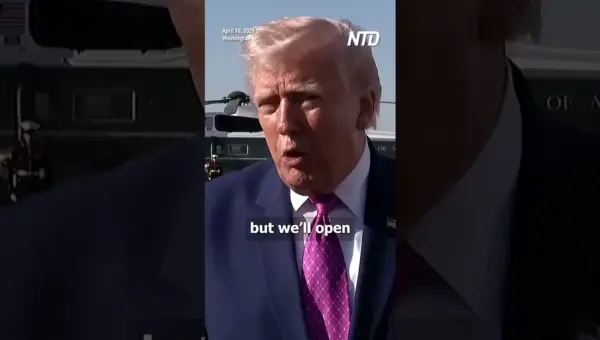
Trump Promises Strait of Hormuz Will Reopen Soon
Former President Donald Trump predicts the Strait of Hormuz will reopen soon, linking it to the absence of nuclear weapons. This crucial global oil transit point's stability impacts economies worldwide. Trump expressed confidence in U.S. military strength to ensure passage.
Veteran Blasts War Strategy: ‘No Plan, No Strategy’ in Iran
A former Coast Guard officer with direct experience in the Persian Gulf criticizes the U.S. approach to Iran, stating there is "no plan, no strategy." James Martin, running for Congress in Florida, also highlights the importance of congressional oversight and removing money from politics.
Trump Threatens Media Over Ceasefire Report
Donald Trump has escalated his conflict with CNN, threatening investigations after the network reported on Iran's claims regarding a ceasefire agreement. This action raises serious concerns about press freedom and potential government overreach.