US, Iran Forge Ceasefire Amidst Escalating Mideast Tensions
A last-minute ceasefire between the U.S. and Iran offers a temporary pause in escalating tensions, but deep skepticism remains about its durability. The deal, tied to reopening the Strait of Hormuz, comes after significant military action against Iran, yet reports of continued strikes raise concerns about Iran's commitment and the true power dynamics within its leadership.

US, Iran Forge Ceasefire Amidst Escalating Mideast Tensions
In a dramatic late-night development, President Trump announced a temporary ceasefire with Iran, just 90 minutes before a self-imposed deadline. The deal hinges on Iran reopening the vital Strait of Hormuz. The President stated that the U.S. had achieved its military goals and was pursuing a path to peace in the Middle East. Israel has also agreed to the terms of this two-week truce. Iran has presented a 10-point plan for continued negotiations, which it says it will abide by. However, concerns remain as reports indicate that elements within Iran’s Revolutionary Guard Corps (IRGC) may have launched strikes after the announcement.
Uncertainty Clouds Ceasefire’s Durability
Despite the U.S. announcement, experts express skepticism about Iran’s commitment. Samuel Katz, a terrorism expert, noted that missiles were still being launched towards Tel Aviv and the UAE after the ceasefire was declared. He argued that a true ceasefire would require an end to attacks by Iran’s proxies like Hezbollah, a resolution to the nuclear issue, removal of Iran’s ballistic missiles, and an end to its support for terrorism. Katz described the current ceasefire as “wishful thinking” until these conditions are met.
Jack Carr, a former Navy SEAL, highlighted the complexity of dealing with Iran’s leadership. He suggested that the U.S. may have targeted lower-level IRGC groups, raising questions about who truly holds power and can negotiate in good faith. Carr questioned whether finding a negotiating partner would lead to internal conflict within Iran and whether the U.S. could achieve its core objectives: no nuclear weapons, no ballistic missiles, and no support for proxies.
Gulf States Demand End to Iranian Hostage-Taking
The United Arab Emirates, Saudi Arabia, and other Gulf states have expressed frustration with Iran’s long-standing regional disruption. They are concerned that if Iran is not fully deterred, it could continue to destabilize the Middle East and threaten their economic stability. These nations view Iran’s actions as an impediment to peace and stability, wanting a complete resolution to Iran’s disruptive behavior. The current conflict is seen as a necessary step, built over decades, to address this long-standing threat.
Economic Repercussions and Energy Independence
The announcement of a ceasefire brought immediate relief to financial markets. Dow futures surged, and crude oil prices dropped significantly, falling below $100 per barrel. Analysts like Steve Moore and Daniel Turner of Power to the Future emphasized the positive economic impact, particularly for the U.S. economy. They pointed to the importance of U.S. energy independence, arguing that domestic production helped insulate America from global supply shocks. Turner stressed the need for continued domestic oil and gas production, noting that global prices affect everyone.
The discussion also touched on the global energy market and China’s role. Turner suggested that China is the primary geopolitical threat and that U.S. energy dominance can counter its growing influence. The Strait of Hormuz, a critical oil shipping route, being closed would have put significant pressure on China, which imports a substantial amount of its oil from the Middle East.
Historical Context and Future Scenarios
Analysts Michael Allen and Haraldo Rivera discussed the behind-the-scenes dynamics of the deal. Allen suggested that intermediaries, possibly Pakistan, facilitated direct talks, leading to a de-escalation. He noted potential issues with the ceasefire terms, such as coordinating passage with the Iranian military. Rivera described the situation as a necessary “off-ramp” for President Trump, given the significant military damage inflicted on Iran by U.S. and Israeli forces. He characterized the war as potentially “stupid and unnecessary,” questioning the long-term strategy.
However, Dr. Sheila Nazarian, an Iranian American, strongly disagreed with Rivera’s assessment. She argued that Iran’s regime is a “cancer” that must be eradicated, comparing the situation to World War II and the fight against Hitler. Nazarian expressed concern that without regime change, the Iranian people would remain unsafe, and the region would continue to face instability. She believes President Trump’s language might be strategic to calm markets, but his ultimate goal is to address the threat posed by Iran, including its nuclear ambitions.
The Road Ahead: Diplomacy or Renewed Conflict?
The coming two weeks are critical. The U.S. will gather intelligence and assess Iran’s intentions. The core demands remain clear: no nuclear weapons, no ballistic missiles, and no support for terrorist proxies. The question is whether Iran, under its current leadership or a newly empowered faction, is willing to meet these demands. If not, the U.S. military is prepared to resume operations, potentially with more precise targeting based on lessons learned.
The situation highlights the complex geopolitical landscape of the Middle East, where decades of conflict and competing interests have created a volatile environment. The ceasefire, while offering a temporary reprieve, does not resolve the underlying issues that have fueled regional tensions for nearly half a century. The success of this truce will depend on Iran’s willingness to fundamentally alter its behavior and the international community’s ability to enforce a lasting peace.
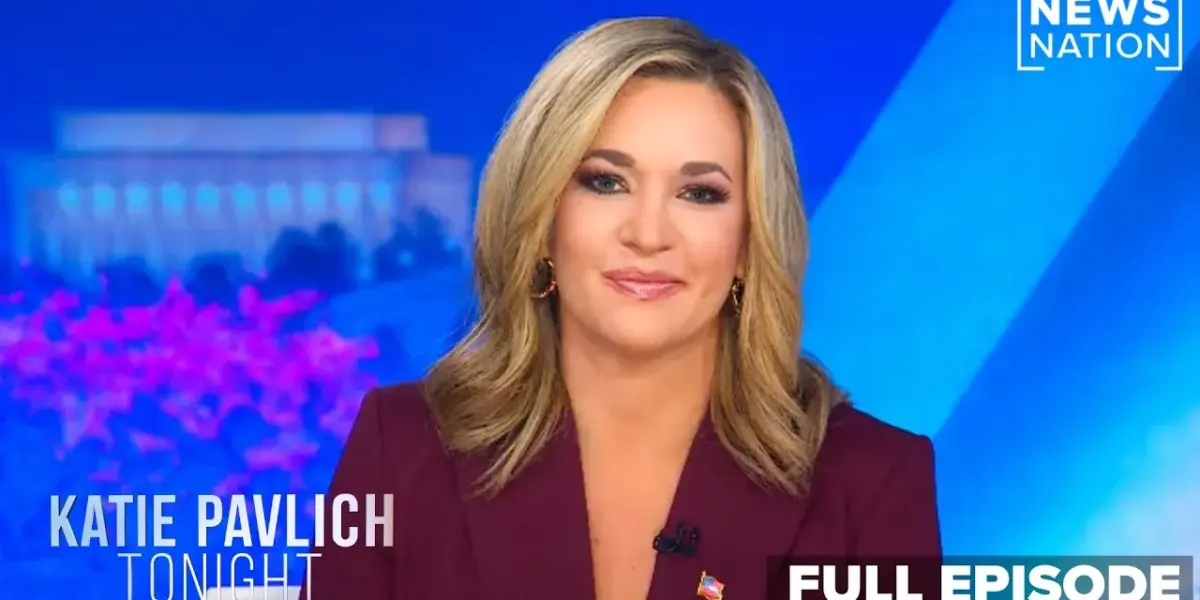
Source: Did Tehran Cave? Inside the last-minute ceasefire deal with Iran | Katie Pavlich Tonight 4/7 (YouTube)

Related Articles


Trump’s Iran War Fuels Inflation, Strains Alliances
Donald Trump's recent military actions in Iran are being blamed for a significant rise in U.S. inflation and increased gas prices, impacting consumer confidence. The conflict has also strained relationships with key international allies, leading to diplomatic friction and questions about the future of alliances like NATO.

Artemis II Splashdown Signals US Space Race Dominance
The Artemis II mission's precise splashdown highlights NASA's space exploration leadership and the U.S. commitment to returning to the Moon. This success reinforces America's position in a renewed global space race.

Vance Navigates Iran Crisis Amidst Trump’s Conflicting Statements
A US delegation is in Pakistan for critical talks with Iran aimed at reopening the Strait of Hormuz, a key global oil route. The mission comes as rising gas prices and inflation strain the US economy. Former President Trump's conflicting statements and J.D. Vance's described role add complexity to the high-stakes negotiations.