Return of the King: A Trilogy’s Epic Conclusion
The Lord of the Rings: The Return of the King concludes Peter Jackson's epic trilogy with breathtaking battles, profound emotional arcs, and a historic sweep at the Oscars. Discover why this extended edition remains a timeless masterpiece.

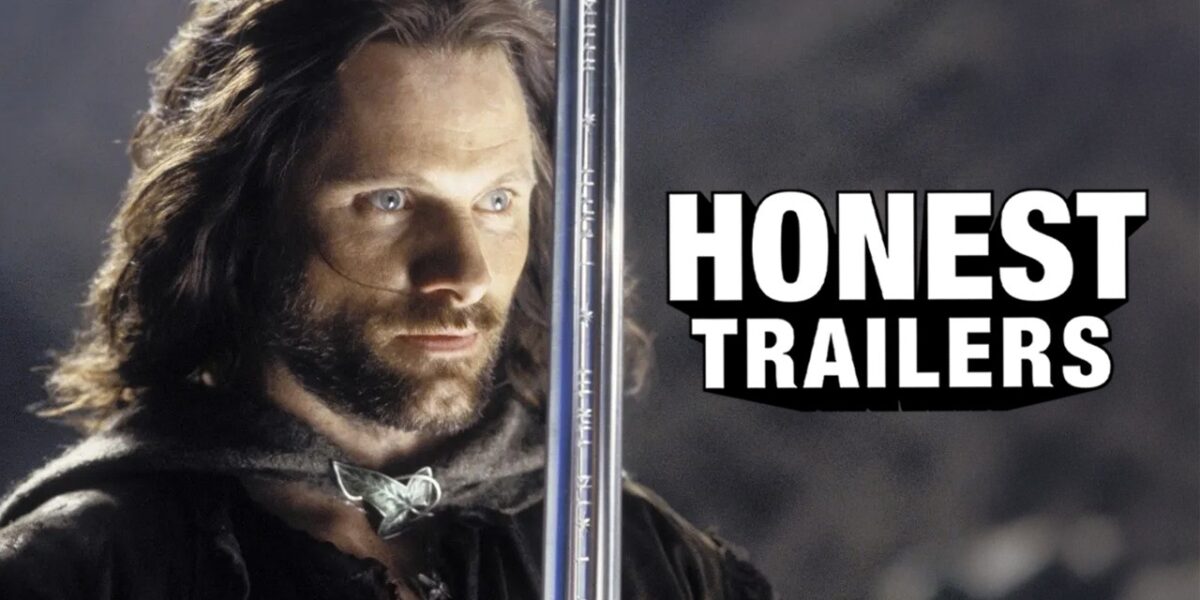
The Lord of the Rings: The Return of the King – A Masterpiece’s Enduring Legacy
In the pantheon of epic filmmaking, few sagas resonate as profoundly as Peter Jackson’s The Lord of the Rings trilogy. As the final chapter, The Return of the King, continues to captivate audiences years after its initial release, it stands as a monumental achievement in cinematic storytelling. This extended edition, clocking in at a staggering four hours, doesn’t just conclude the epic journey of hobbits, elves, dwarves, and men; it solidifies the trilogy’s place as a timeless classic, a testament to the power of friendship, courage, and the enduring fight against overwhelming darkness. While the film’s runtime might seem daunting, each moment is meticulously crafted to immerse viewers in the richly detailed world of Middle-earth, delivering an emotional and visually spectacular payoff.
The Climax of a Generation-Defining Saga
The Return of the King picks up where its predecessors left off, plunging audiences headfirst into the heart of the conflict. The stakes have never been higher as Frodo and Sam draw perilously close to Mount Doom, their arduous journey testing the very limits of their endurance and loyalty. Meanwhile, the free peoples of Middle-earth rally for a final, desperate stand against the encroaching armies of Sauron. The film masterfully juggles these parallel narratives, weaving a tapestry of courage, sacrifice, and improbable hope.
The narrative thrust of The Return of the King is undeniable. While the first two films, The Fellowship of the Ring and The Two Towers, laid the groundwork and built the world, this final installment unleashes the full fury of war and the profound emotional weight of the quest. The extended edition, in particular, allows for deeper dives into character development and plot intricacies, enriching the already complex narrative. Moments that might feel rushed in the theatrical cut are given room to breathe, amplifying their impact.
A Cast That Embodies Middle-earth
The enduring success of The Lord of the Rings is inextricably linked to its stellar cast. Elijah Wood’s portrayal of Frodo Baggins is a tour de force of vulnerability and resilience, particularly in the extended edition where his physical and psychological torment is laid bare. Sean Astin as Samwise Gamgee provides the trilogy’s emotional anchor, his unwavering loyalty and strength carrying both Frodo and the audience through the darkest of times. His iconic line, “I can’t carry it for you, but I can carry you,” remains one of cinema’s most powerful declarations of friendship.
Viggo Mortensen as Aragorn fully embodies the reluctant hero destined for greatness. His transformation from a ranger in hiding to the rightful king of Gondor is a central arc, culminating in moments of inspiring leadership and fierce combat. Ian McKellen’s Gandalf continues to be the wise, guiding force, offering counsel and wielding immense power when needed. The supporting cast, including Orlando Bloom as the agile elf Legolas, John Rhys-Davies as the gruff dwarf Gimli, and the brilliant ensemble playing the inhabitants of Rohan and Gondor, all contribute to the rich tapestry of Middle-earth.
Epic Battles and Heartfelt Farewells
The Return of the King is renowned for its breathtaking battle sequences. The siege of Minas Tirith is a masterclass in large-scale warfare, showcasing the overwhelming might of Sauron’s forces against the valiant defenders of Gondor. From the charge of the Rohirrim to the desperate defense of the city, these scenes are visceral, thrilling, and emotionally charged. The visual effects, groundbreaking for their time, still hold up remarkably well, bringing the epic scale of these conflicts to life.
Beyond the spectacle of war, the film excels in its quieter, more intimate moments. The reunion of Frodo and Sam, the coronation of Aragorn, and the poignant farewells at the Grey Havens are deeply moving. The ending, particularly in its extended form, provides a satisfying sense of closure, reflecting on the profound impact of the journey and the sacrifices made. The final scenes, echoing the beginning of the trilogy, offer a fitting and bittersweet conclusion to the saga.
Critical Acclaim and Enduring Popularity
Upon its release in 2003, The Return of the King was met with universal critical acclaim, culminating in an unprecedented sweep at the Academy Awards. It won all eleven Oscars for which it was nominated, including Best Picture, Best Director, and Best Adapted Screenplay, tying the record for most wins with Ben-Hur and Titanic. This historic achievement cemented the trilogy’s status as a cinematic landmark.
The film’s enduring popularity is evident in its continued presence in popular culture and its consistent high ratings on audience review sites. Fans revisit Middle-earth time and again, drawn by the compelling narrative, rich lore, and unforgettable characters. The extended editions, in particular, are cherished by devoted fans for offering a more complete and immersive experience of Jackson’s vision.
A Legacy That Continues to Inspire
The Lord of the Rings: The Return of the King is more than just a fantasy film; it is a modern epic that explores timeless themes of good versus evil, the corrupting nature of power, and the strength found in unity and friendship. Peter Jackson’s ambitious undertaking brought J.R.R. Tolkien’s beloved world to life with unparalleled vision and dedication. The trilogy, and especially its triumphant conclusion, remains a benchmark for fantasy filmmaking and a powerful reminder that even the smallest individuals can change the course of the future.
Source: Honest Trailers | The Lord of the Rings: The Return of the King (YouTube)

Related Articles
Return of the King: A Brutal, Beloved Epic
The epic conclusion to Peter Jackson's Lord of the Rings trilogy, 'The Return of the King,' remains a cinematic masterpiece. Released in 2003, it achieved massive box office success and a historic 11 Oscar wins, including Best Picture. The film is celebrated for its breathtaking scope, emotional depth, and the triumphant, hard-won victory against Sauron.
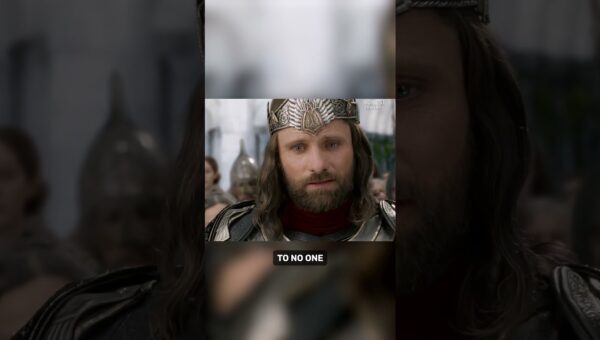
Return of the King: Still a Masterpiece?
Two decades after its release, The Lord of the Rings: The Return of the King continues to stand as a cinematic masterpiece. Winning 11 Oscars, including Best Picture, it remains a beloved epic with timeless themes and unforgettable characters.
Two Towers: A Glorious, Grimy Middle Chapter
The Lord of the Rings: The Two Towers, the middle chapter of Peter Jackson's epic saga, masterfully balanced multiple storylines, delivered breathtaking action, and showcased groundbreaking performances. A critical and commercial triumph, it solidified the franchise's legendary status.