Trump’s Actions Threaten US Global Leadership
Donald Trump's presidency has significantly damaged America's global standing, pushing other nations to seek partnerships elsewhere. This shift raises questions about the U.S. future role and its ability to lead on the world stage.

Trump’s Actions Threaten US Global Leadership
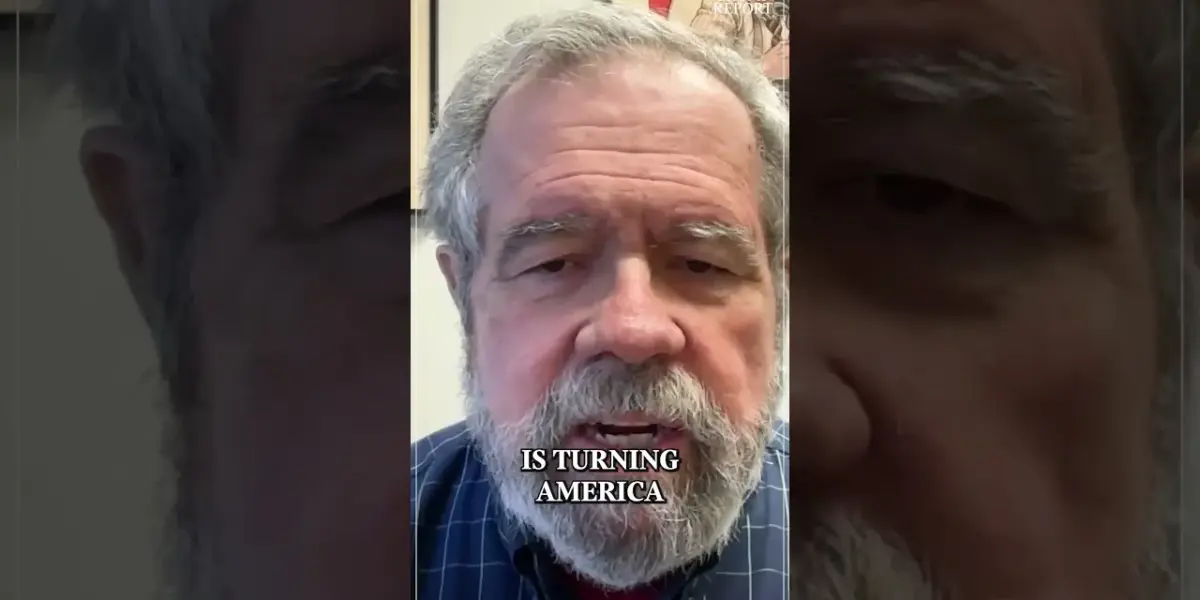
Donald Trump’s presidency may have significantly damaged America’s standing as the “leader of the free world.” The former president’s approach to foreign policy and international relations has seemingly pushed other nations to seek partnerships elsewhere. This shift raises serious questions about America’s future role on the global stage.
Shifting Alliances and Trade Deals
One clear sign of this changing dynamic involves trade. For instance, Canada recently struck a major trade deal with China. This move happened even though Trump had strongly criticized and denounced such agreements. Canada, like other nations, prioritizes its own interests, not just America’s wishes. It shows that countries are willing to make their own deals, even with nations the U.S. might oppose.
We are also observing China strengthening its ties with European Union countries and the United Kingdom. This suggests a broader trend: the rest of the world is increasingly finding ways to cooperate and thrive without relying heavily on American leadership. The underlying message from many nations is becoming clear: they can manage global affairs and build relationships independently.
America as a ‘Pariah State’?
The speaker suggests that Trump’s actions have, in a way, turned the United States into a pariah state. This term is often used for countries isolated due to their policies, much like South Africa during the apartheid era. While not fully there yet, the U.S. is experiencing a growing separation from the global community. This isolation stems from a reluctance to align with a leader perceived as unpredictable and ignorant.
Why would you want to ally yourself with this man who doesn’t know anything? He’s appallingly ignorant, and he will on a dime denounce you over absolute nonsense and tell you how stupid you are, how incompetent you are, you have no idea what you’re doing when he’s talking about himself. He’s projecting.
This quote highlights a key concern: Trump’s tendency to insult and criticize allies at a moment’s notice. Such behavior makes it difficult for other countries to trust and build stable relationships with the United States. When a leader frequently denounces partners over minor issues, it creates an environment of uncertainty and instability.
Historical Context and Background
For decades after World War II, the United States played a central role in shaping the global order. It led alliances like NATO and promoted democracy and free markets worldwide. This leadership provided a sense of stability and a framework for international cooperation. However, this role has been challenged at various times by different domestic and international factors.
The post-war era saw the U.S. emerge as a superpower, with its influence extending across economic, political, and military spheres. International institutions were often built around American leadership. This created a system where many nations looked to Washington for direction and support.
Why This Matters
America’s global leadership is crucial for maintaining international stability, promoting democratic values, and addressing shared challenges like climate change and global health crises. When the U.S. steps back or alienates allies, it creates a vacuum. This vacuum can be filled by less democratic or more disruptive forces, leading to increased global instability.
Furthermore, economic prosperity often relies on stable international trade and cooperation. If the U.S. is seen as an unreliable partner, it can harm American businesses and consumers. It also affects the ability of the global community to tackle complex problems that require coordinated action.
Implications, Trends, and Future Outlook
The trend suggests a move towards a more multipolar world. Nations are becoming more assertive in pursuing their own interests and forging new partnerships. This includes strengthening ties with regional powers and exploring diverse economic relationships. The influence of any single nation, even a superpower, is likely to be more balanced.
The future outlook for American leadership depends on how the U.S. chooses to re-engage with the world. A return to more traditional diplomacy, emphasizing alliances and mutual respect, could help restore trust. Conversely, continued isolationism or confrontational foreign policy will likely further diminish its global influence. Other countries will continue to adapt and form new networks, regardless of America’s choices.
The perception of American leadership is vital. If allies and partners no longer see the U.S. as a dependable and respected leader, its ability to shape global events will be significantly reduced. This requires a consistent and predictable foreign policy that values cooperation and shared goals.
Source: Has Trump cost the United States its ‘leader of the free world’ status? (YouTube)

Related Articles

Middle East Must Lead Iran Response, US Steps Back
Radio host Glenn Beck argues that Middle Eastern nations, not the US, must take the lead in addressing regional security threats like Iran. He believes former President Trump's policies are reshaping global order, encouraging allies to become more self-reliant. This signals a potential shift away from traditional US global leadership.

Putin’s Ceasefire Gambit: A Bid for Control
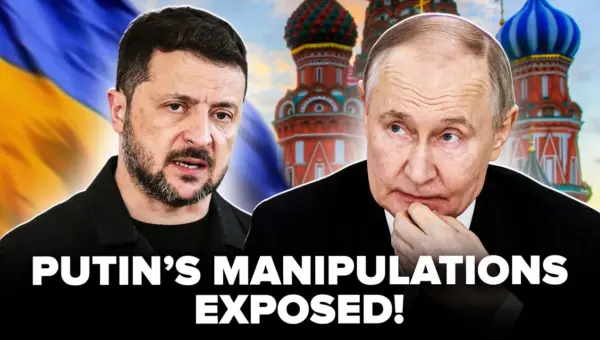
Putin's Easter ceasefire proposal is seen as a bid to regain control of the war narrative amidst battlefield stagnation. Concerns rise over potential U.S. pressure on Ukraine for concessions, while NATO's future and Ukraine's security outlook remain uncertain.

US-Iran Talks Collapse: War Looms After Summit Fails
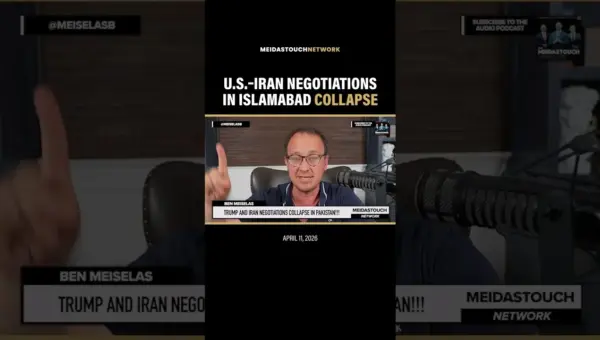
US-Iran peace talks in Islamabad have collapsed after the Trump administration reportedly tried to change the negotiating framework. Senator JD Vance announced the breakdown, stating Iran refused U.S. demands, signaling a likely return to conflict. The failure occurred while President Trump attended a UFC match.