Did Biden Weaponize DOJ? Evidence Points to Trump’s Direct Orders
The debate over whether the DOJ is weaponized often centers on proof. While some demand written orders from President Biden, evidence suggests Donald Trump directly asked officials to target specific individuals, raising questions about intent and accountability.

Did Biden Weaponize DOJ? Evidence Points to Trump’s Direct Orders
The question of whether the Department of Justice (DOJ) has been used as a political weapon is a serious one. Many people wonder if administrations have unfairly targeted opponents. This discussion often comes up when we see legal actions against former presidents or political rivals. It’s important to look closely at the actions taken by different administrations to understand these complex issues.
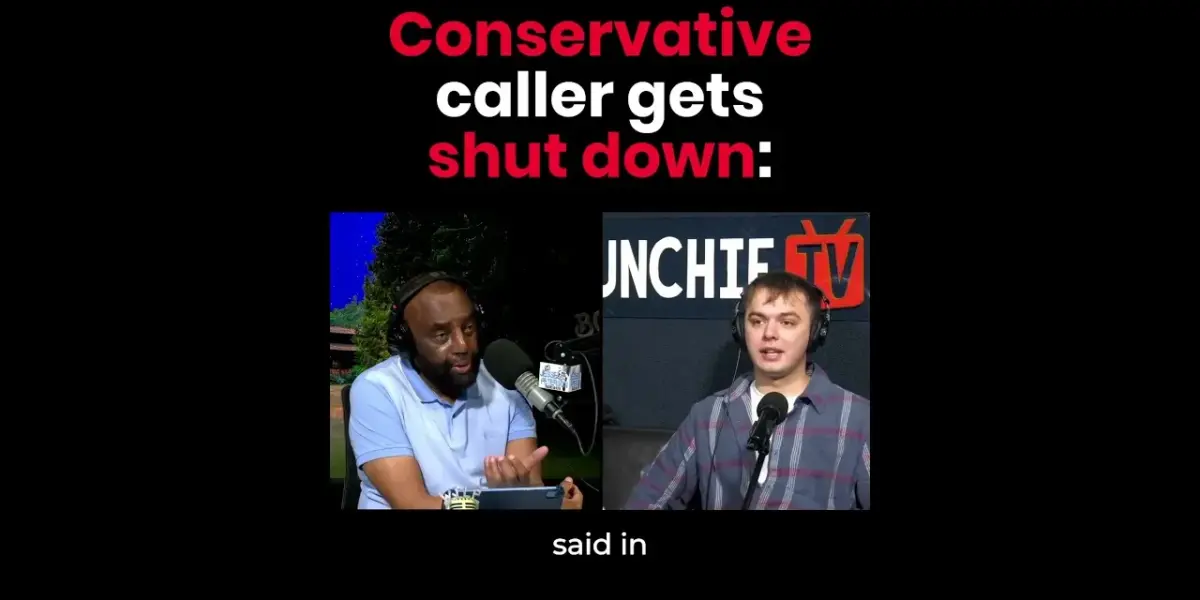
One side of this debate argues that there’s no proof President Biden directly ordered the DOJ to go after Donald Trump. They point out that there’s no official document or written instruction from Biden to Attorney General Merrick Garland to that effect. This perspective suggests that without direct, written orders, claims of weaponization are unfounded. It’s like saying a detective can’t investigate a crime unless they have a signed note from the mayor telling them to do so.
Trump’s Alleged Directives
However, a different view highlights specific actions taken during the Trump administration. Evidence suggests that Donald Trump himself asked a top DOJ official, Pam Bondi, to target three specific individuals. This request was made directly by Trump. Following this, a federal prosecutor, Eric Sebert, resigned from his post in the Eastern District of Virginia.
The reason for Sebert’s resignation, according to this view, was to allow Trump to appoint a loyalist, Lindsey Halligan, as the new prosecutor. Halligan, who was a first-time federal prosecutor at the time, then proceeded to investigate two of the three people Trump had specifically asked to be targeted. This sequence of events, critics argue, shows a clear pattern of attempting to use the DOJ for personal or political gain.
You don’t have to connect any dots here. It’s a clear pattern of actions that suggest intent.
The Lack of Written Orders: A Naive Approach?
Those who believe the Trump administration misused the DOJ often criticize the demand for written proof from the Biden administration. They argue that expecting direct, written orders from a president to the DOJ is a naive way to look at how power operates. In many cases, especially in politics, directives are not always put in writing to avoid leaving a clear paper trail.
The argument is that the absence of a written order doesn’t mean no directive was given. Instead, it might mean the directive was given verbally or through indirect channels, which is common in high-level decision-making. It’s like expecting a secret agent to leave a signed confession after completing a mission; it defeats the purpose of secrecy.
Contrasting Administrations
The core of the discussion involves comparing how the two administrations allegedly operated. On one hand, there are claims of Trump directly asking for specific people to be targeted, leading to actions by his appointees. On the other hand, the claim against Biden is based on the lack of written evidence, even though Trump’s alleged requests were made directly.
The debate highlights a fundamental difference in how evidence is perceived. One side demands concrete, written proof, which they say is missing for Biden’s actions. The other side points to circumstantial evidence and direct requests made by Trump as sufficient proof of intent to weaponize the DOJ. They argue that the focus on written orders from Biden ignores the more direct evidence of Trump’s alleged involvement.
Why This Matters
The integrity of the justice system is crucial for a healthy democracy. When people believe the DOJ is being used for political purposes, it erodes trust in our institutions. This can lead to widespread cynicism and make it harder for the government to function effectively.
Historical Context
Concerns about the politicization of the DOJ are not new. Throughout history, there have been instances where the justice department’s actions have been questioned. However, the directness of the alleged requests made by Donald Trump, as described, stands out. It moves beyond general accusations of political influence to specific, documented instances of presidential directives aimed at individuals.
Implications and Future Outlook
If the allegations against the Trump administration are true, it sets a dangerous precedent. It suggests that a president might feel empowered to use the justice system to target personal enemies. This could lead to a future where political opponents are constantly under threat of legal action, regardless of their actual guilt.
Conversely, if the demand for written proof of Biden’s alleged weaponization remains the standard, it could shield future administrations from accountability. It might become too easy for leaders to deny any wrongdoing simply because they avoid leaving a paper trail. The challenge lies in finding a balance between demanding accountability and recognizing that not all decisions are documented in writing.
Moving forward, the public and legal experts will likely continue to scrutinize the actions of all administrations. The debate over weaponization, especially concerning the DOJ, will remain a significant topic. It’s essential for citizens to stay informed and critically evaluate the evidence presented by all sides. Understanding the difference between direct requests and the absence of written orders is key to forming an informed opinion on these vital matters.
Source: He Was NOT Prepared To Talk To Me… (YouTube)

Related Articles

Trump Renovation Raises Questions of Foreign Steel Influence
Questions are being raised about the use of foreign steel in White House renovations and potential links to policy changes. A donation of steel from ArcelorMittal to President Trump's ballroom project preceded adjustments to tariff policies that could benefit the company. This has sparked debate over transparency and corporate influence in government.

Trump’s Iran Deal Threatens US Credibility
Critics argue that Donald Trump's approach to a potential Iran ceasefire deal will result in a strategic humiliation for the United States. Concerns include Iran gaining more control over vital waterways and maintaining its nuclear program, while exposing U.S. military vulnerabilities and eroding regional credibility.

Kerry Warns Trump on Iran: “Dangerous Moment”
Former Secretary of State John Kerry described the current conflict with Iran as a "very dangerous moment," criticizing the Trump administration's withdrawal from the nuclear deal and its haphazard approach to foreign policy. He warned that these actions have significantly increased Iran's leverage and made future diplomacy much more difficult.