Israel Strikes Lebanon Heavily Amid Ceasefire Confusion
Israel has conducted its largest attacks to date on Lebanon, striking over 100 targets amidst confusion over a regional ceasefire. While the U.S. insists the deal excluded Lebanon, Israel continues its operations, citing Hezbollah's presence in civilian areas. The strikes have led to significant civilian casualties and raised geopolitical questions.

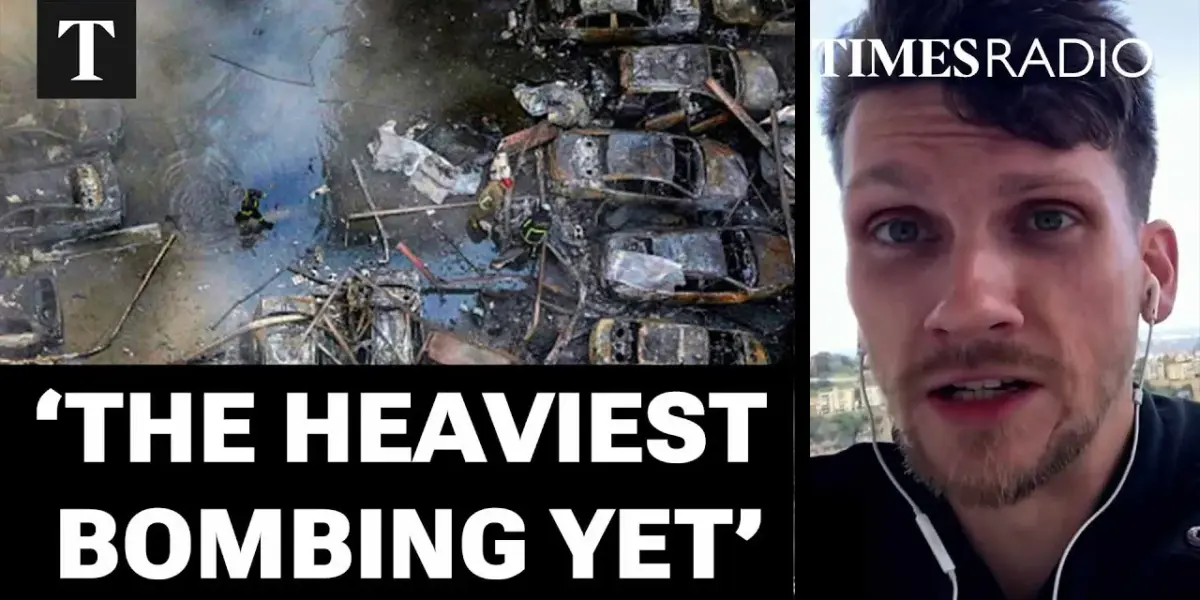
Israel Launches Major Assault on Lebanon
Beirut, Lebanon – Israel carried out its most significant attacks yet on Lebanon this past week, striking over 100 targets across the country. The strikes, which included bombing raids on Beirut, occurred despite a broader ceasefire agreement between Iran and the United States. This action has raised questions about the scope of the ceasefire and its impact on the ongoing conflict in the region.
Ceasefire Sparks Regional Debate
A recent ceasefire agreement between Iran and the United States, aimed at de-escalating tensions, appears to be facing immediate challenges. The core of the disagreement centers on Lebanon. U.S. Vice President JD Vance clarified the American position, stating that the ceasefire was never intended to include Lebanon. “What we said is that the ceasefire would be focused on Iran and the ceasefire would be focused on America’s allies, both Israel and the Gulf Arab states,” Vance explained. This interpretation directly conflicts with what Iranian leaders reportedly believed was part of the deal.
Israel Cites Hezbollah Presence in Civilian Areas
Israeli officials claim that Hezbollah, a group supported by Iran, is storing weapons and operating command centers within residential areas. According to Israeli media reports, a recent strike in Beirut targeted an individual linked to Hezbollah within a multi-story apartment building. However, the building was reportedly full of civilians at the time of the attack. Reporter Hunter Williamson, speaking from Beirut, described the scene, witnessing first responders attempting to rescue people from the rubble of destroyed buildings. He reported seeing three survivors but noted that many others were not as fortunate.
“Last night I went to one such residential building that Israel targeted. This was, you know, a typical several-story apartment building and Israel, according to Israeli media, there was someone linked to Hezbollah that Israel was trying to target in this building, but this building was full of civilian people.”
Hunter Williamson, Reporter
Civilian Impact of the Strikes
The ongoing military actions are having a severe impact on civilians in Lebanon. Williamson recounted visiting a building targeted by Israeli strikes, where he observed a young man distraught over family members trapped under the rubble. The man had only survived because he was at work during the attack. He expressed that he would have been killed too if he had been home. These accounts highlight the devastating consequences of the conflict on Lebanon’s civilian population, raising concerns about the proportionality of the military operations.
Geopolitical Motivations Behind Israel’s Actions
Analysts suggest several reasons for Israel’s continued strikes on Lebanon, even as a ceasefire is being discussed in the wider region. Some believe Israel may have sought to disrupt the U.S.-Iran ceasefire talks. By continuing its military campaign in Lebanon, Israel might have hoped to provoke Iran into abandoning the agreement, knowing that Tehran would likely not remain inactive while its ally Hezbollah faced heavy bombardment. Additionally, Israel and Hezbollah have a long history of animosity, with Israel viewing the group as a major threat. There is speculation that Israel aims to inflict a decisive blow on Hezbollah, despite the significant challenges in militarily defeating the organization.
Hezbollah’s Role in Lebanese Society
Understanding Hezbollah’s position in Lebanon requires looking beyond its military operations. Unlike groups like ISIS or Al-Qaeda, Hezbollah is deeply integrated into Lebanese society. It operates not only a military wing but also a political party and provides essential social services, including running hospitals and schools, particularly in southern Lebanon. For the Shia community, which makes up about a third of Lebanon’s population, Hezbollah’s political and social support has been crucial. This complex role makes any military action against the group particularly sensitive and impactful on the broader Lebanese populace.
Looking Ahead
The situation remains tense as the scope and enforcement of the ceasefire continue to be debated. All eyes will be on whether Israel will moderate its actions in Lebanon and how Iran will respond to the ongoing conflict. The humanitarian cost for Lebanese civilians is a growing concern, and the international community watches closely for de-escalation or further escalation in the region.
Source: Israel Carries Out ‘Largest Attack Yet’ On Lebanon Amid Ceasefire With Iran | Hunter Williamson (YouTube)

Related Articles
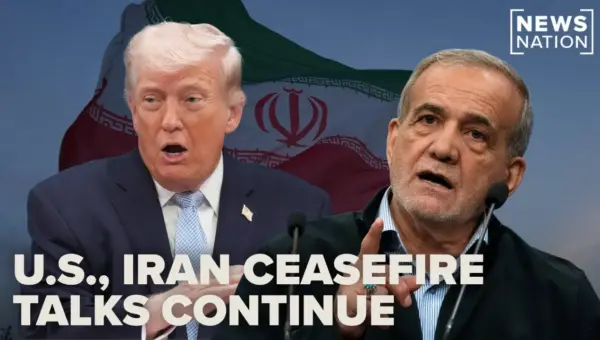
Iran Threatens Strait of Hormuz Amid Lebanon Strikes
Iran threatens to close the vital Strait of Hormuz in response to ongoing strikes in Lebanon. The US is trying to de-escalate, but actions on the ground remain a concern, potentially impacting global oil markets and future negotiations.

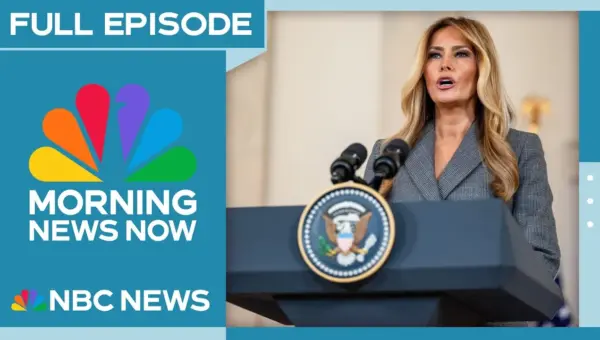
Middle East Tensions Rise Amid Ceasefire Violations
Middle East tensions are escalating as Iran is accused of violating a ceasefire, leading to rising oil prices and renewed strikes between Israel and Hezbollah. Meanwhile, Vice President J.D. Vance is preparing for crucial peace talks in Pakistan. In other news, First Lady Melania Trump has broken her silence to deny rumors linking her to Jeffrey Epstein.
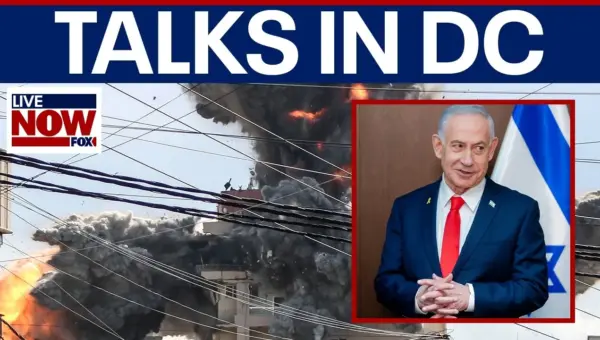
Israel Orders More Strikes on Hezbollah Amid Lebanon Talks
Israel has ordered intensified strikes on Hezbollah in Lebanon as direct negotiations between the two nations are set to begin. The Prime Minister's office stated the operations aim to dismantle Hezbollah, which it calls a "genocidal terror organization" threatening both Israeli and Lebanese civilians. The talks seek to disarm Hezbollah and establish long-term peace.