Tariffs Bolster US Steel, Aluminum Amid China’s ‘Rob, Replicate, Replace’ Strategy
New tariffs are strengthening the U.S. steel and aluminum industries, encouraging significant domestic investment and job growth. These measures counter China's 'rob, replicate, replace' strategy and are seen as vital for national security and economic independence.

US Steel and Aluminum Industries Gain Strength from New Tariffs
New tariffs aimed at protecting American industries are showing positive results for the U.S. steel and aluminum sectors. These measures, part of a broader strategy to counter unfair trade practices, are encouraging domestic investment and job creation. Industry leaders say these actions are crucial for national security and economic independence, especially as the U.S. aims to lead in emerging technologies like artificial intelligence (AI).
Trump Administration Tightens Trade Policy
President Trump has signaled a strong stance against countries supporting Iran, threatening a 50% tariff on goods from any nation providing military aid. This move is part of a larger effort to reshape global trade and protect American manufacturing. Previously, the administration enhanced Section 232 duties on steel and aluminum imports, building on actions taken in 2018. These policies aim to strengthen American manufacturing and have already led to billions of dollars in new investments.
Impact of Recent Tariff Adjustments
The administration recently adjusted tariffs on steel, aluminum, and copper through an executive order. This order ensures the “full value” of imported metals is accounted for. Items made from these metals now face a 50% flat tariff on their full value. Imported items where these metals are a significant component will face a 25% tariff. These adjustments are designed to level the playing field for domestic producers who have long struggled with cheap imports.
China’s Trade Tactics Under Scrutiny
Industry experts highlight China’s strategy of “rob, replicate, replace” as a major threat to global industries. This tactic involves stealing intellectual property, copying products, and then dominating the market. This approach has historically allowed China to weaken industries in other countries, leading to price increases and supply chain vulnerabilities. For example, the U.S. steel industry has been a target, but recent policies are helping to reverse this trend.
Domestic Production Sees Significant Growth
The American Iron and Steel Institute reported that domestic raw steel production reached 1.8 million net tons by April 4. This represents capacity utilization of 79%, a nearly 9% increase year-over-year. Despite this growth, about 1.5 million tons of imported steel of various types still enter the U.S. each month. However, domestic producers believe they can replace these imports, citing competitive advantages like abundant iron ore, affordable natural gas and electricity, and efficient manufacturing processes.
Investment and Job Creation Surge
The steel and aluminum industries are experiencing a wave of investment. U.S. Steel is investing $14 billion following recent acquisitions. Newport is set to open a new mill in West Virginia, and STI is launching an aluminum rolling mill, the first in decades. Century Aluminum is also investing in capacity for raw aluminum production. These developments signal a shift towards the U.S. becoming a net exporter of metals, producing them in a cleaner way than many global competitors.
Economic and National Security Benefits
The increased domestic production is creating high-paying jobs, often with benefits like healthcare, paying $35-$40 per hour or more. These jobs support communities and the middle class. Furthermore, a strong domestic metals industry is seen as vital for national security. It ensures the U.S. can build critical infrastructure, such as AI data centers and energy projects, without relying on foreign supply chains. This independence is crucial for maintaining global leadership in technology and energy.
Market Impact: What Investors Should Know
The recent tariffs and resulting investments signal a positive outlook for U.S. steel and aluminum companies. Investors may see increased profitability and growth potential in these sectors. The focus on domestic production and job creation suggests a long-term commitment to strengthening American manufacturing. This trend could attract further capital into the industry, especially as demand for materials rises with technological advancements and infrastructure projects. The government’s assertive trade policy indicates a continued effort to protect domestic industries from foreign competition.
Source: 'ROB, REPLICATE, REPLACE': China strategy IGNITES alarm over industry control (YouTube)

Related Articles

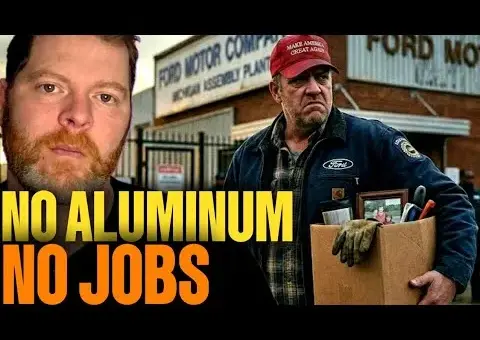
Tariffs Threaten US Jobs, Sparking Automation Fears
New U.S. tariffs on aluminum imports are driving up costs for manufacturers, particularly in the auto industry. This is leading to fears of job losses and a faster push towards automation. The policy raises questions about the government's role in the economy and its impact on everyday Americans.

High Energy Costs Threaten Trump Agenda, Economist Warns
High energy prices are a major concern for the U.S. economy, potentially derailing the current administration's agenda despite positive GDP growth and rising wages. While tax cuts and deregulation provide support, global conflicts and their impact on oil markets create significant uncertainty for businesses and consumers.


Tariffs Hurt Small Businesses Despite Court Ruling
Small businesses continue to face rising costs due to tariffs, despite a Supreme Court ruling meant to halt them. Owner Nneka Christiane details how these tariffs increase her business expenses and create supply chain issues. The lack of recourse for compensation leaves many entrepreneurs struggling.