Israel-Hezbollah Clashes Risk Iran Ceasefire Deal
Tensions are high as Israel continues strikes on Hezbollah targets in Lebanon, potentially jeopardizing a ceasefire deal with Iran. While the U.S. and Israel see the Lebanese front as separate, Iran insists the U.S. must choose between the ceasefire and Israeli actions. Diplomatic talks are set to proceed in Islamabad amid these risks.

Israel-Hezbollah Clashes Risk Iran Ceasefire Deal
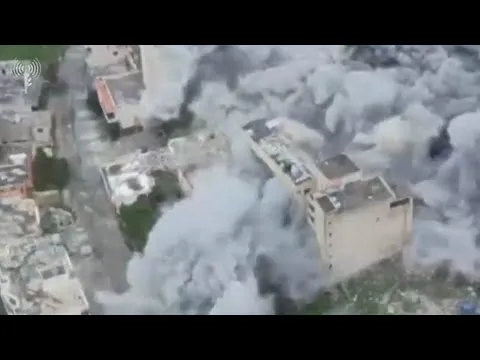
Fighting between Israel and Hezbollah in Lebanon is creating a major challenge for a potential ceasefire deal with Iran. This is the most visible risk to the agreement right now. It’s a key point of disagreement between Iran and the United States and Israel.
For now, Israel and Hezbollah are trading attacks. Hezbollah is threatening northern Israel, while Israel is hitting Hezbollah targets inside Lebanon. The U.S. and Israel believe the situation in Lebanon is separate from any deal with Iran. Iran, however, sees things differently.
Iran’s foreign minister stated that the terms of a ceasefire between Iran and the U.S. are clear. He said the U.S. must choose: either the ceasefire continues, or the war through Israel continues. He added that the world is watching the violence in Lebanon and that the ball is in the U.S.’s court. The world is waiting to see if the U.S. will keep its promises.
Israeli Prime Minister Benjamin Netanyahu has also spoken about the situation. He said that if talks fall apart, Israel is ready to continue its actions. Netanyahu stated that Israel has more goals to achieve and will reach them with or without an agreement. He emphasized that Israel is prepared to resume fighting at any moment. His message was clear: “Our finger is on the trigger.”
Talks Planned Amid Rising Tensions
Despite these clashes, talks are still scheduled to happen this weekend in Islamabad, Pakistan. Vice President JD Vance will lead the American negotiation team. Pakistan’s Prime Minister has played an important role in bringing the two sides together for these discussions.
International Efforts for Strait of Hormuz
Meanwhile, British Prime Minister Keir Starmer is in the United Arab Emirates (UAE) this weekend. The UK is working to lead international efforts to reopen the Strait of Hormuz. This vital waterway has faced disruptions. Dozens of countries have offered to help secure the strait. However, they have not yet specified how they will do this. It is unclear if this help will involve direct military action or other forms of support.
Global Impact
Why This Reshapes the World Order
The ongoing conflict between Israel and Hezbollah, and its potential impact on the Iran ceasefire talks, highlights a complex geopolitical puzzle. It shows how regional conflicts can quickly become entangled with larger international diplomatic efforts. The U.S. is trying to manage multiple, potentially conflicting, security interests.
Iran’s stance suggests it views its regional allies, like Hezbollah, as integral to its foreign policy. Any agreement with Iran might be seen as incomplete if it doesn’t address the actions of its proxies. This challenges the U.S. strategy of isolating certain threats while seeking broader stability.
The involvement of countries like Pakistan and the UAE as mediators shows a shift in global diplomacy. Middle powers are increasingly stepping in to facilitate talks, especially in volatile regions. This reflects a desire for stability and a potential challenge to traditional great power influence.
The efforts to reopen the Strait of Hormuz are also critical. This waterway is essential for global oil and gas transport. Any disruption there has immediate economic consequences worldwide. The broad international support for reopening it indicates a shared interest in maintaining global trade routes, even as political tensions rise.
Historical Context
The current tensions draw on a long history of conflict in the Middle East. The relationship between Israel and Hezbollah has been marked by periods of intense fighting and uneasy calm. Both sides have shown a willingness to escalate when they feel their security is threatened.
The broader U.S.-Iran relationship has also been fraught with tension for decades. Past agreements and disagreements have shaped the current diplomatic landscape. The U.S. has often sought to contain Iran’s regional influence, while Iran has used its alliances to project power.
Economic Leverage
The potential for renewed fighting or the collapse of ceasefire talks carries significant economic risks. Disruptions to trade routes, particularly through the Strait of Hormuz, could lead to higher energy prices globally. Sanctions against Iran also remain a key tool of economic pressure, influencing its behavior and negotiations.
Future Scenarios
One scenario is that the U.S. successfully separates the Iran talks from the Israel-Hezbollah conflict. This would require careful diplomacy and potentially concessions from all sides. Another possibility is that the fighting in Lebanon escalates, leading to the collapse of the Iran ceasefire talks. This could result in a wider regional conflict.
A third scenario involves a limited agreement where the U.S. and Iran focus on de-escalation in specific areas, while acknowledging ongoing regional tensions. The commitment of international partners to secure maritime routes like the Strait of Hormuz suggests a strong collective interest in preventing major economic shocks.
Source: Israeli strikes on Hezbollah continue despite Iran war ceasefire | Morning in America (YouTube)

Related Articles
US-Iran Nuclear Talks Collapse; Ceasefire Remains Fragile
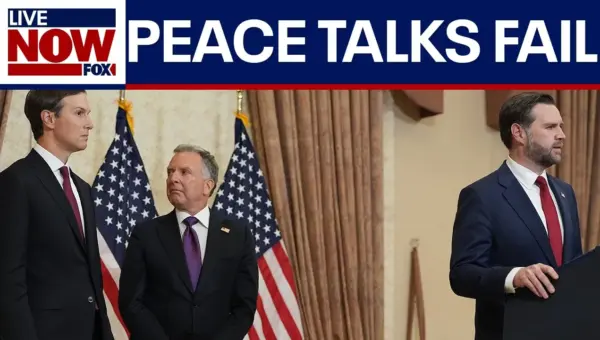
U.S. and Iran ceasefire talks in Pakistan have ended without an agreement after 21 hours, with both sides blaming each other. Key sticking points included Iran's nuclear program and its refusal to accept American terms. The fragile two-week ceasefire remains in place, but regional tensions are high.

Pakistan Mediates US-Iran Peace Talks Amid Shifting Alliances
Pakistan is stepping into a critical mediation role between the United States and Iran, leveraging its unique position and historical ties. Once known for harboring Osama bin Laden, the nation now seeks to broker peace amid escalating tensions, supported by its military leadership and influenced by China's regional strategy. Despite these efforts, hopes for a lasting resolution remain limited, highlighting America's shifting global standing and the severe economic impact on developing nations.

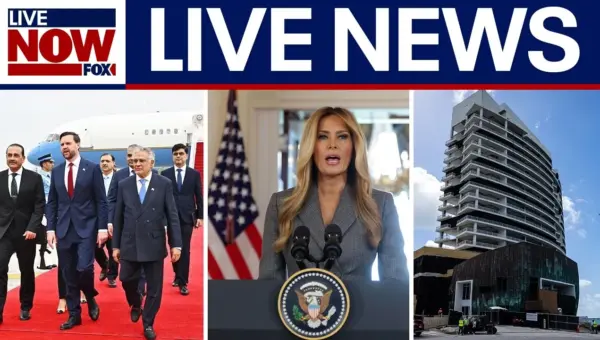
Iran Peace Talks Stall: US, Iran Far Apart on Nuclear Deal
US-Iran peace talks have ended after 21 hours without an agreement, with Vice President JD Vance stating Iran refused to commit to abandoning its nuclear weapons program. The collapse of negotiations adds to regional tensions as a ceasefire between Israel and Hezbollah is set to expire next week.