Iran’s Nuclear Ambitions: A Physicist’s Grim Outlook
Physicist David Albright expresses deep pessimism about Iran's nuclear negotiations, citing a lack of genuine need for uranium enrichment beyond civilian use. He believes the program serves as a cover for weapons development, posing an ongoing global security threat.

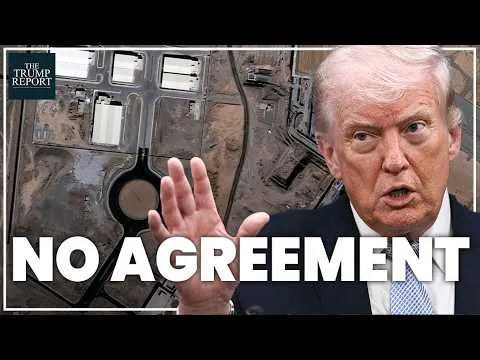
Iran’s Nuclear Program: A Tightrope Walk
The world watches Iran’s nuclear program with a mix of concern and suspicion. For years, discussions have circled around Iran’s efforts to enrich uranium, a key ingredient for both nuclear power and weapons. A recent analysis by physicist and nuclear expert David Albright paints a rather pessimistic picture of the current negotiations and Iran’s true intentions.
Enrichment: A Need or a Cover?
At the heart of the issue is Iran’s uranium enrichment program. Albright points out that Iran already possesses enough enriched uranium for its small research reactor, the only real need for 20% enriched uranium. This suggests that the push for more enrichment might serve a different purpose. While Iran’s electricity-producing nuclear reactors, like the one in Bushehr, are largely powered by uranium imported from Russia, the desire to develop an indigenous enrichment program raises alarms.
The United States is not going to accept Iran having its indigenous enrichment program, particularly when there’s no need for it.
This lack of apparent civilian necessity leads many, including Albright, to believe that the enrichment program is a cover for developing the capability to create weapons-grade uranium. The worry is that Iran is building a program with the potential to make nuclear weapons rapidly if the decision is ever made.
The Shadow of Nuclear Weapons
Albright explains that the concern isn’t just about Iran’s current capabilities but its potential to quickly pivot to building a nuclear weapon. Even with a significantly reduced centrifuge program, Iran could potentially enrich uranium to weapons-grade levels in a matter of months. This creates an “imminent threat” scenario where Iran could decide to pursue nuclear weapons and achieve the key material very quickly, potentially evading detection.
Historical Context: A Pattern of Secrecy
Iran’s nuclear journey has been marked by secrecy and international scrutiny. In the past, efforts to build nuclear weapons were discovered and faced international pressure, leading to their suspension. The current situation, according to Albright, is a continuation of this long struggle. Despite past setbacks and wars that have damaged its program, Iran has consistently sought to preserve and rebuild its nuclear capabilities. The current ceasefire and ongoing negotiations are seen by some as a critical moment to address these concerns definitively.
Beyond Nuclear: Other Threats
The conversation also touched upon Iran’s other concerning activities. Beyond its nuclear and missile programs, Iran has been involved in supporting proxy groups and developing chemical weapons. Albright specifically mentioned Iran’s work on weaponizing pharmaceutical-based agents like fentanyl, intended for dispersal by drones. While not designed for mass casualties, such a weapon could cause significant panic and pose a unique challenge to defensive measures.
The JCPOA: A Missed Opportunity?
The decision by the Trump administration to withdraw from the 2015 Joint Comprehensive Plan of Action (JCPOA), also known as the Iran nuclear deal, is viewed by Albright as a mistake. He believes the deal, while not perfect, offered a path to increase pressure and potentially negotiate a better agreement. The withdrawal, in his view, accelerated the inevitable confrontation over Iran’s nuclear ambitions, bringing the conflict closer to the present day.
Why This Matters
The ongoing tension surrounding Iran’s nuclear program is a critical global security issue. If Iran were to develop nuclear weapons, it would drastically alter the geopolitical balance in the Middle East and beyond. The potential for proliferation, increased regional instability, and the threat of nuclear conflict are all serious concerns. Albright’s analysis underscores the difficulty in verifying Iran’s intentions and the persistent danger posed by its enriched uranium stockpile and potential weaponization capabilities.
Future Outlook: A Difficult Path Ahead
Albright expresses pessimism about the current negotiations, believing Iran is not yet ready to give up its enrichment program. He suggests that any successful resolution would require Iran to abandon its enrichment and weaponization programs, with strict verification. The struggle to prevent Iran from acquiring nuclear weapons has been long and complex, relying on coercion, pressure, and international embarrassment. While Iran is currently in a weaker position, the path forward remains uncertain, with the possibility of renewed pressure or military action if diplomatic efforts fail.
The international community faces a delicate balancing act: deterring Iran from obtaining nuclear weapons while avoiding a wider conflict. The effectiveness of current monitoring and intelligence gathering, primarily by Israel and the United States, is crucial but not foolproof. The situation highlights the ongoing challenge of managing a rogue state’s nuclear ambitions in a complex and often unpredictable world.
Source: 'Very pessimistic' Trump's Iran negotiations over uranium can succeed | Physicist & nuclear expert (YouTube)

Related Articles

Buttigieg Spars With MAGA Host Over Iran War Claims
Transportation Secretary Pete Buttigieg and a MAGA host clashed over Iran's nuclear program and the justification for military action. The debate highlighted differing views on presidential credibility and American strength.


Buttigieg Questions Trump’s Shifting Stance on Iran Deal
Pete Buttigieg questions Donald Trump's evolving demands on Iran, contrasting initial calls for "unconditional surrender" with later ambiguity. The discussion revisits the effectiveness of the Obama-era Iran nuclear deal, with Buttigieg arguing it was undermined by Trump's withdrawal.

Trump’s Iran Policy Strengthened Hardliners, Experts Say
Experts argue that former President Trump's "maximum pressure" policy against Iran inadvertently strengthened hardliners and made the country more determined to pursue nuclear capabilities. The analysis highlights missed diplomatic opportunities and the unintended consequences of military action, suggesting a need for more nuanced strategies.