Ceasefire Falters: Israel Strikes Lebanon Amid Tense Iran Talks
A fragile two-week ceasefire is under severe strain as Israel launches deadly strikes in Lebanon, raising fears of wider conflict. Concerns also persist over Iran's nuclear material and the critical Strait of Hormuz waterway.

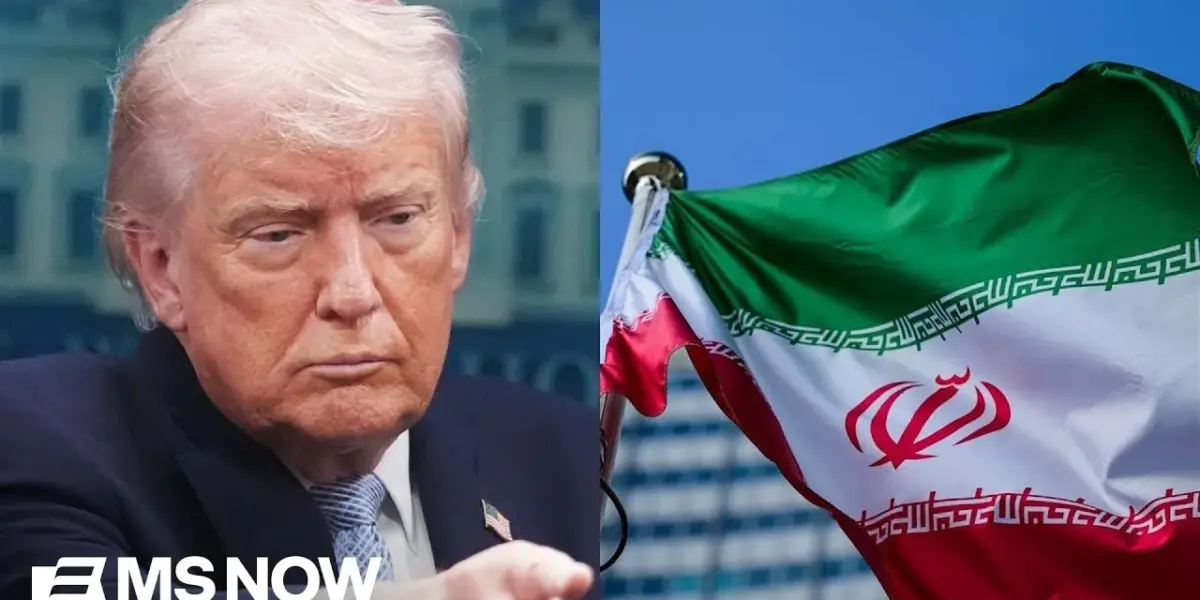
Ceasefire Under Strain as Israel Attacks Lebanon
A fragile two-week ceasefire, intended to de-escalate tensions, is already facing serious challenges. Just hours after its announcement, deadly Israeli strikes in Lebanon have cast a shadow over the agreement. These actions are drawing sharp criticism, with allies expressing horror and questioning the war’s intended end. The ongoing conflict appears to be escalating in Lebanon, with reports of nearly 200 people killed and hundreds more wounded in a single day, marking one of the deadliest periods since the war began.
Iran’s Nuclear Program and Strait of Hormuz Concerns
Beyond the immediate conflict, significant concerns remain about Iran’s nuclear program. Despite the ceasefire talks, Iran reportedly still possesses 970 pounds of nuclear material. This raises fears that the country could still develop a dirty bomb capable of devastating many cities. The situation around the Strait of Hormuz, a vital waterway for global oil supply, also remains unclear and contentious. Iranian state media claimed the Strait had been closed again in response to Israeli actions in Lebanon, though the White House dismissed these reports, calling any closure unacceptable.
Netanyahu’s Role and War’s Origins
Questions are being raised about the origins of the current conflict and the role of Israeli Prime Minister Benjamin Netanyahu. Reports suggest that Netanyahu may have guided the U.S. into the war. Some U.S. officials, including Senator Marco Rubio, have indicated that the U.S. entered the conflict because Israel was going to war. This perspective suggests a potential lack of independent U.S. strategic decision-making, with the country seemingly following Israel’s lead. Prime Minister Netanyahu is reportedly pushing to continue the war, refusing to adhere to basic terms that former President Trump suggested could lead to an end to the fighting.
Trump Administration’s Stance and Negotiating Strategy
Former President Trump has expressed skepticism about the current ceasefire terms, calling Iran’s presented 10-point plan favorable to Iran’s long-standing objectives. He has warned that U.S. military personnel and assets will remain in the region until the agreement is fully complied with, threatening stronger actions if it is not. Vice President J.D. Vance, set to lead U.S. negotiations with Iran in Pakistan, questioned the Iranian parliament speaker’s understanding of English, suggesting a potential communication breakdown or misunderstanding of the ceasefire’s complexities. Vance acknowledged that ceasefires are often “messy” and prone to some “choppiness,” referencing missile launches by Iran and subsequent responses from Israel and Gulf Arab states shortly after the ceasefire announcement.
Criticism of Administration’s Approach
Critics argue that the current administration is making significant mistakes, particularly in allowing Iran to continue generating revenue, potentially more than before the war due to higher prices. There’s a strong sentiment that the U.S. should take a firmer stance, demanding free passage through the Strait of Hormuz or implementing blockades if necessary. Concerns have also been raised about the competence of President Trump’s advisors, with questions about whether they are providing him with the blunt, truthful advice he needs, especially regarding the stability of his statements and the potential for war crimes. Some commentators expressed disappointment in the lack of strong condemnation from Republicans regarding certain statements made by President Trump.
Looking Ahead
As the ceasefire hangs precariously, the upcoming talks in Pakistan will be crucial. The U.S. delegation, including special envoy Steve Witkoff and Jared Kushner, faces the difficult task of navigating complex negotiations with Iran. Key issues to watch include the status of the Strait of Hormuz, Iran’s nuclear program, and the ongoing conflict in Lebanon. The ability of President Trump’s advisors to deliver honest assessments and the willingness of all parties to adhere to the agreed-upon terms will determine whether this fragile peace can hold or if the region will descend further into conflict.
Source: Ceasefire threatened as Israel strikes Lebanon (YouTube)

Related Articles

Trump Threatens Media Over Ceasefire Report
Donald Trump has escalated his conflict with CNN, threatening investigations after the network reported on Iran's claims regarding a ceasefire agreement. This action raises serious concerns about press freedom and potential government overreach.

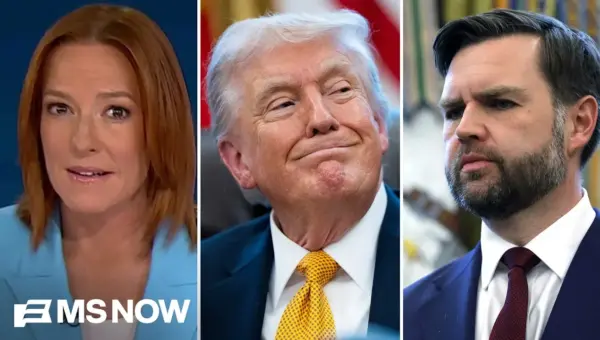
Vance Navigates Iran Crisis Amidst Trump’s Conflicting Statements
A US delegation is in Pakistan for critical talks with Iran aimed at reopening the Strait of Hormuz, a key global oil route. The mission comes as rising gas prices and inflation strain the US economy. Former President Trump's conflicting statements and J.D. Vance's described role add complexity to the high-stakes negotiations.


Vindman: Trump’s Iran Policy Leaves US in ‘Bad Position’
Congressman Eugene Vindman stated that former President Donald Trump's past actions have left the U.S. in a "bad position" for current negotiations with Iran. He criticized the proposed ceasefire terms as heavily favoring Iran and expressed concern over the control of the Strait of Hormuz. Vindman also urged Virginia voters to support a redistricting referendum as a way to push back against Trump's policies.