CNN Clash: Trump’s Ally Grilled on Tariffs and Trust
A heated CNN debate saw a Trump ally challenged on the economic impact of tariffs. The discussion highlighted concerns about inflation and unpredictability versus arguments for a strong stock market.

CNN Clash: Trump’s Ally Grilled on Tariffs and Trust
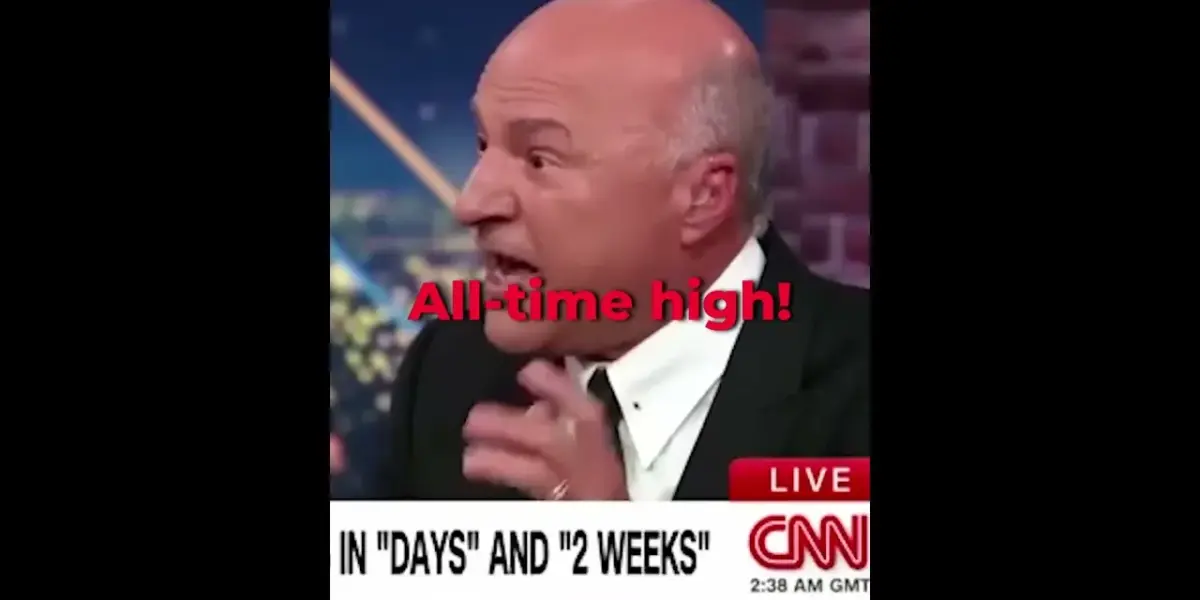
A recent exchange on CNN brought a sharp focus to the economic policies of the Trump administration, particularly the impact of tariffs. A guest, seemingly aligned with former President Trump, found himself challenged on his defense of these policies. The core of the debate centered on whether tariffs actually help or hurt the American economy and its standing in the world.
The guest initially suggested that Trump’s actions had damaged global trust in the U.S. economy and its business practices. However, he quickly pivoted to defend the economy by pointing to an “all-time high market.” This was met with a direct counter-argument: that the market’s strength was precisely the point being debated, and that relying on stock market numbers alone ignored real-world effects.
The Tariffs Debate: Who Pays?
A key point of contention was the actual cost of tariffs. The challenger argued that if tariffs were truly effective, there would be no need to “gaslight” the public about who ultimately pays them. He suggested that the administration’s focus on the stock market was a way to distract from the “on the ground effects” and the “unpredictability” that tariffs create for businesses and consumers.
This unpredictability, the argument went, has long-term consequences, especially for younger generations. The direct question was posed: “Can you sit here and look me in the eye and say that tariffs are not inflationary?” Inflation means that prices go up, making goods and services more expensive for everyone. This is a critical concern for people trying to manage their budgets.
Market vs. Reality
The guest’s defense repeatedly returned to the idea that “everything’s working because the market” is high. This highlights a common debate in economic policy: does a strong stock market automatically mean a strong economy for everyone? The challenger clearly believed it does not. He pressed the guest, asking him to “bring up the market one more time,” implying it was an incomplete answer to a complex problem.
The exchange became heated as the interviewer insisted on a direct answer regarding inflation. When asked if tariffs were inflationary, the guest’s response was “Not yet. There haven’t been.” This suggests a belief that current inflation is not directly caused by tariffs, or perhaps that the full impact has not yet been felt. However, this answer did not satisfy the interviewer, who saw the unpredictability and cost of tariffs as clear drivers of economic strain.
Why This Matters
This debate touches upon fundamental questions about how trade policy affects everyday Americans. Tariffs are taxes on imported goods. When a country places tariffs on goods from another country, the price of those goods often increases for consumers in the country imposing the tariff. Businesses that rely on imported parts can also face higher costs, which can then be passed on to customers.
The argument presented suggests that while the stock market might show impressive numbers, the real economy—the one experienced by most people through jobs, prices, and business stability—can be negatively impacted by policies like widespread tariffs. The concern is that these policies create uncertainty, making it harder for businesses to plan and invest, and potentially leading to higher prices for consumers in the long run.
Historical Context
Tariffs have a long history in economic policy. They have been used for various reasons, including protecting domestic industries from foreign competition and raising government revenue. However, economists have often debated their effectiveness. Critics argue that tariffs can lead to trade wars, where countries retaliate with their own tariffs, ultimately harming global trade and economic growth.
In recent history, the U.S. has seen periods of both high and low tariffs. The Trump administration’s use of tariffs, particularly on goods from China, marked a significant shift in trade policy. This approach aimed to address perceived unfair trade practices but also sparked considerable debate about its economic consequences, both domestically and internationally.
Future Outlook
The discussion on CNN reflects an ongoing conversation about America’s role in the global economy and the best tools to ensure prosperity. Whether tariffs ultimately help or harm is a complex question with no easy answers. The impact can depend on many factors, including the specific industries affected, the duration of the tariffs, and how other countries respond.
As the U.S. continues to navigate its trade relationships, the debate over policies like tariffs will likely persist. Understanding who pays for these policies and what their real-world effects are is crucial for making informed decisions about the future of American economic strategy. The clash on CNN serves as a reminder that economic policy debates are not just about numbers on a screen but about the livelihoods of millions.
Source: I HUMILIATED Trump's Friend LIVE On CNN 🤣🔥 (YouTube)

Related Articles
Trump Threatens Media Over Ceasefire Report
Donald Trump has escalated his conflict with CNN, threatening investigations after the network reported on Iran's claims regarding a ceasefire agreement. This action raises serious concerns about press freedom and potential government overreach.


Trump’s Iran War Fuels Inflation, Strains Alliances
Donald Trump's recent military actions in Iran are being blamed for a significant rise in U.S. inflation and increased gas prices, impacting consumer confidence. The conflict has also strained relationships with key international allies, leading to diplomatic friction and questions about the future of alliances like NATO.


Economy Crumbles: Pawn Shops and Egg Prices Tell a Grim Tale
Rising pawn shop loans and high interest rates reveal widespread financial struggle. Despite claims of economic stability, falling consumer confidence and soaring energy prices suggest a grim reality for many Americans. The focus on minor price drops like eggs fails to mask deeper economic distress.