Gulf Allies Fear Iran’s Rise After Ceasefire Deal
Gulf allies are expressing deep concern over a recent U.S.-Iran ceasefire, fearing it signals an emboldened Iran and a weakened U.S. commitment to regional security. Key demands regarding Iran's nuclear program and regional proxies remain unmet, raising questions about the long-term strategy and its impact on global stability.

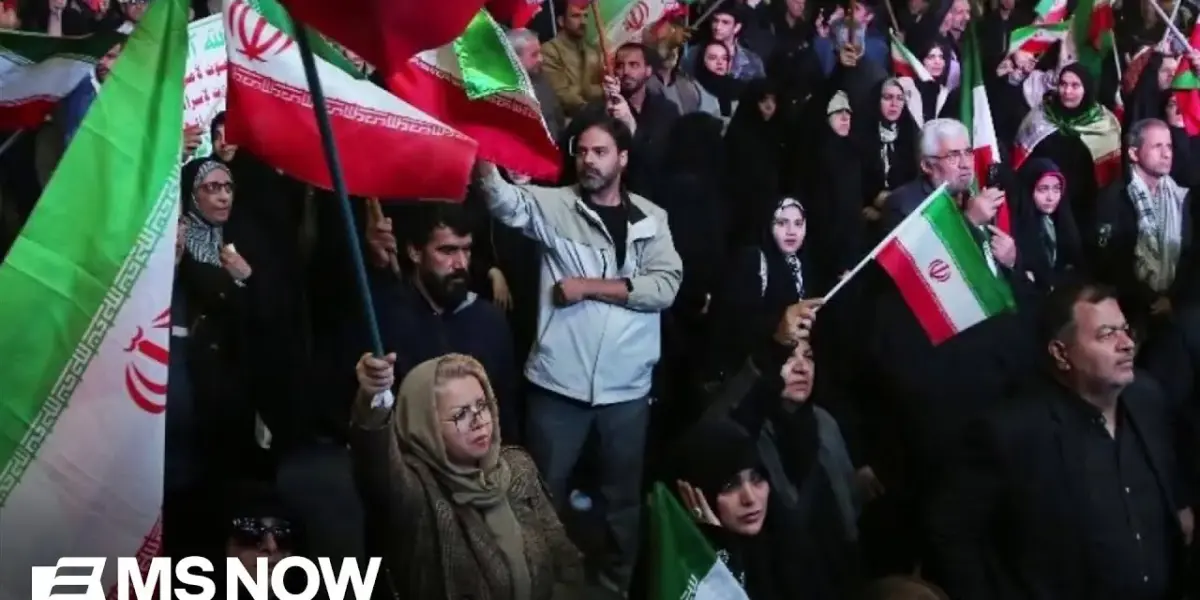
Gulf States Voice Alarm Over Ceasefire, Fear Emboldened Iran
The Wall Street Journal reports that key allies in the Gulf region are expressing serious concerns following a recent ceasefire agreement between the U.S. and Iran. These nations fear they may bear the brunt of future conflict, especially after initial military actions by the U.S. and Israel failed to achieve lasting peace. The speed at which the situation shifted from severe threats to accepting Iran’s demands has left many questioning Washington’s commitment to its allies’ security.
Concerns Over Shifting Stance and Regional Security
Analysts in the Gulf region are puzzled by the rapid change in U.S. policy. They question how firmly Washington will pursue a deal that meets its objectives and protects its friends. Some officials noted that if one party starts a conflict, they must also be responsible for ending it successfully. Failure to do so, they warn, could make the region even more dangerous.
“The situation is worse today than it was before the war started.”
– Gulf Leaders, as reported by The Wall Street Journal
Key Demands for National Security Unmet
According to the Journal’s reporting, Gulf allies find the terms of the current ceasefire unacceptable for their national security. Their core demands include keeping crucial shipping lanes open, ensuring nuclear material is removed from Iran, and halting Iran’s nuclear program. They also want Iran’s regional proxies to be dismantled and to lose access to Iranian missiles. Furthermore, they seek an end to Iran’s ballistic missile program.
Questions About U.S. Commitment and Strategy
There is significant doubt about whether the U.S. has the resolve to re-engage militarily if the ceasefire falters. Despite assurances that U.S. troops will remain in the region, concerns persist about the long-term strategy. The message from Iran, according to reports, is that they believe they are still in the right and are not backing down.
Strategic Goals and the “Rearview Mirror”
Some analysts suggest that the current actions are driven by a desire to resolve the Iran issue before an upcoming meeting with a key leader. This push to get the situation into the “rearview mirror” may be influencing strategic decisions. There’s a feeling that the U.S. may have overstated its military threats without a clear plan for how to achieve its ultimate goals, especially concerning Iran’s nuclear program.
Nuclear Ambitions and Future Negotiations
Questions linger about Iran’s nuclear capabilities. Despite past claims of the program being dismantled, concerns remain about Iran possessing enough nuclear material to create dirty bombs. The prospect of the U.S. negotiating with Iran about its nuclear material from a position of weakness, after having already threatened military action, is seen as a significant strategic misstep.
A Region Left More Vulnerable
After weeks of conflict, the situation appears to be worse for the U.S. and its allies regarding regional stability and Iran’s nuclear ambitions. Iran’s proxies remain a threat, and the regime seems more entrenched than ever. Gulf nations are reportedly learning that they cannot fully depend on U.S. protection, potentially leaving a critical part of the world’s economy more vulnerable.
Tactics vs. Strategy: A Growing Divide
There’s a clear distinction being drawn between military tactics and overall strategy. While the U.S. military’s performance has been praised, the lack of a coherent long-term strategy is a major concern. Initial plans for regime change or a swift dismantling of Iran’s nuclear program have not materialized, leaving leaders to face difficult choices about how to proceed.
Looking Ahead: Uncertain Future for Regional Stability
The current ceasefire leaves many unanswered questions about the future of the Middle East. With allies feeling unprotected and Iran potentially emboldened, the region faces an uncertain path. The effectiveness of future diplomatic or military actions will depend heavily on whether a clear and consistent strategy can be established, one that truly addresses the security concerns of all parties involved.
Source: Gulf states fear an emboldened Iran after ceasefire: WSJ (YouTube)

Related Articles

Iran Demands Trump’s Surrender Amidst Diplomatic Showdown
Negotiations between the U.S. and Iran in Islamabad reveal a stark contrast in delegation strength, with Iran presenting a high-level team while the U.S. sent less senior officials. Iran's assertive stance and 10-point framework, reportedly accepted as a basis for talks, suggest a potential diplomatic victory for Tehran, raising questions about U.S. seriousness and regional power dynamics.

US, Iran Meet for Peace Talks Amid Regional Tensions
Vice President JD Vance leads U.S. talks with Iran in Pakistan, focusing on nuclear capabilities and the Strait of Hormuz. Held amid regional tensions and deep distrust, the negotiations face significant hurdles, including Iran's demands for asset release and a Lebanon cease-fire. The outcome could reshape regional stability and global energy markets.

Russia-Iran Alliance Fuels Ukraine War
Russia and Iran have significantly deepened their military cooperation, with Iran supplying drone technology to Moscow in exchange for crucial financial aid. This partnership fuels Russia's war in Ukraine and empowers Iran's regional ambitions, including ballistic missile development.