Middle East Ceasefire Falters Amid Strikes, Strait of Hormuz Tensions
A fragile two-week ceasefire between the U.S., Israel, and Iran is under severe strain following intense Israeli strikes in Lebanon and renewed tensions over the Strait of Hormuz. Disputes over ceasefire terms and Iran's nuclear ambitions loom large as Vice President Vance prepares for peace talks in Pakistan.


Ceasefire Under Strain as Lebanon Strikes Continue
A fragile two-week ceasefire between the U.S., Israel, and Iran is facing significant challenges just days after its implementation. Overnight, Israel launched intense strikes in Lebanon, escalating tensions despite calls for peace. Both Israel and the U.S. maintain that Lebanon was not part of the agreed-upon ceasefire, a stance disputed by Iran and mediator Pakistan.
Lebanon’s Health Ministry reported that hundreds of people were killed or injured in the new wave of strikes. These attacks, which began weeks ago as part of Israel’s ground invasion targeting the Iran-backed militant group Hezbollah, have drawn swift condemnation from global leaders. The ongoing conflict in Lebanon threatens to undermine the broader efforts to de-escalate the situation in the Middle East.
Strait of Hormuz Blockade Creates Economic Uncertainty
Adding to the regional instability, oil traffic through the critical Strait of Hormuz has reportedly stopped again. An Iranian news agency suggested that naval mines may have been placed in the vital waterway. This comes after the first oil tankers were allowed to pass through following earlier disruptions.
President Trump stated that the U.S. would assist with the traffic buildup in the strait. However, Iran’s actions and claims create significant economic uncertainty. The Strait of Hormuz is a crucial route for global oil shipments, and any disruption can lead to price hikes and supply issues.
Iran’s Disputed Role in Ceasefire Terms
A central point of contention is Iran’s alleged violation of the ceasefire terms. Iran disputes that giving up its enriched uranium was part of the agreement. Vice President J.D. Vance, who is set to lead the U.S. team in peace talks with Iran in Pakistan this weekend, emphasized the U.S. goal: “We want Iran to not be able to make a nuclear weapon. We want the nuclear fuel, which is something the President has made very clear.”
The U.S. military, according to President Trump’s social media posts, will remain in and around Iran until a peace deal is reached. He issued a strong warning: if Iran does not comply with the ceasefire agreement, “the shooting starts bigger, better and stronger than anyone has ever seen before.”
Wall Street Reacts to Middle East Turmoil
The uncertainty in the Middle East is already causing volatility on Wall Street. The Dow Jones Industrial Average was set to open down this morning, just hours after experiencing its best day in a year. This sharp swing highlights how closely global financial markets are watching the developments in the region.
Drivers may soon see some relief at the gas pump, but the timing and extent of any price drop remain unclear. Disruptions to fertilizer shipments due to the ongoing conflict could also impact food costs, especially at this critical time for global agriculture.
Legal Developments and Public Health Warnings
In other news, a Hawaii doctor has been convicted of the attempted manslaughter of his wife and faces up to 20 years in prison. The verdict and the subsequent legal proceedings are being closely watched.
Additionally, a new ad campaign is warning young people about the dangers of popular nicotine pouches. As the use of these products grows, public health officials are emphasizing the importance of these awareness campaigns.
Looking Ahead: Peace Talks and Oil Prices
All eyes are now on the upcoming peace talks between the U.S. and Iran in Pakistan. The ability of negotiators to resolve disputes over the Strait of Hormuz, Iran’s nuclear program, and the conflict in Lebanon will be critical to determining whether this fragile ceasefire can hold and lead to lasting peace. The global economy, particularly oil prices, will be closely monitoring these developments.
Source: LIVE: NBC News NOW – April 9 (YouTube)

Related Articles
US-Iran Nuclear Talks Collapse; Ceasefire Remains Fragile
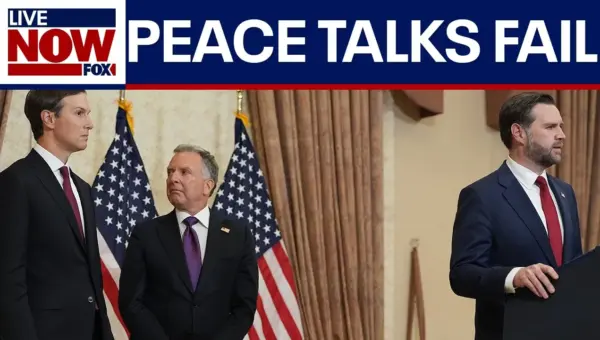
U.S. and Iran ceasefire talks in Pakistan have ended without an agreement after 21 hours, with both sides blaming each other. Key sticking points included Iran's nuclear program and its refusal to accept American terms. The fragile two-week ceasefire remains in place, but regional tensions are high.

US-Iran Peace Talks Collapse Amid Nuclear Standoff
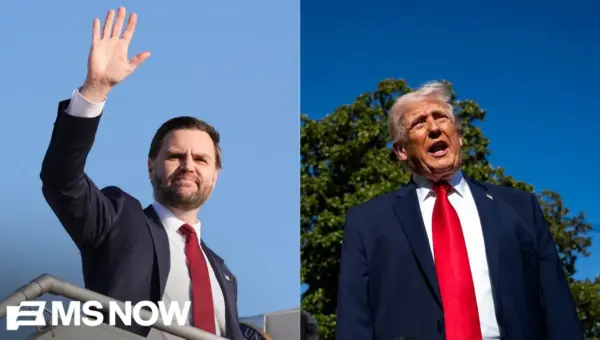
High-level peace talks between the United States and Iran have collapsed, with Vice President J.D. Vance announcing no agreement was reached after 21 hours of discussions. The primary sticking point was Iran's nuclear ambitions, with the U.S. seeking a clear commitment against developing nuclear weapons. Despite the failure, the historic nature of the meeting and the continuation of a fragile ceasefire offer a sliver of hope for future diplomacy.

Pakistan Mediates US-Iran Peace Talks Amid Shifting Alliances
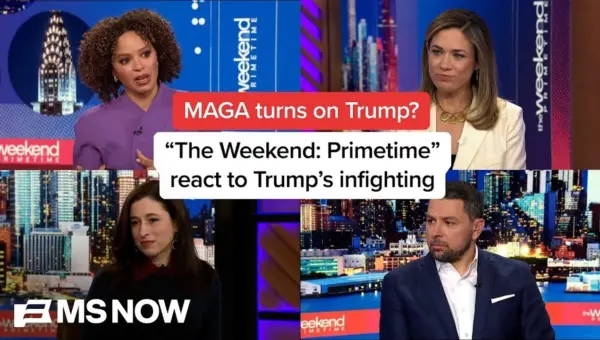
Pakistan is stepping into a critical mediation role between the United States and Iran, leveraging its unique position and historical ties. Once known for harboring Osama bin Laden, the nation now seeks to broker peace amid escalating tensions, supported by its military leadership and influenced by China's regional strategy. Despite these efforts, hopes for a lasting resolution remain limited, highlighting America's shifting global standing and the severe economic impact on developing nations.