UK Faces Global Crises, Defense Spending Row, and Benefit Freeze
The UK faces economic strain from global conflicts and a heated debate over defense spending, while ruling out benefit cuts. Political editor Steven Swinford confirmed no plans to alter welfare or pension payments due to a broad political consensus and financial constraints.

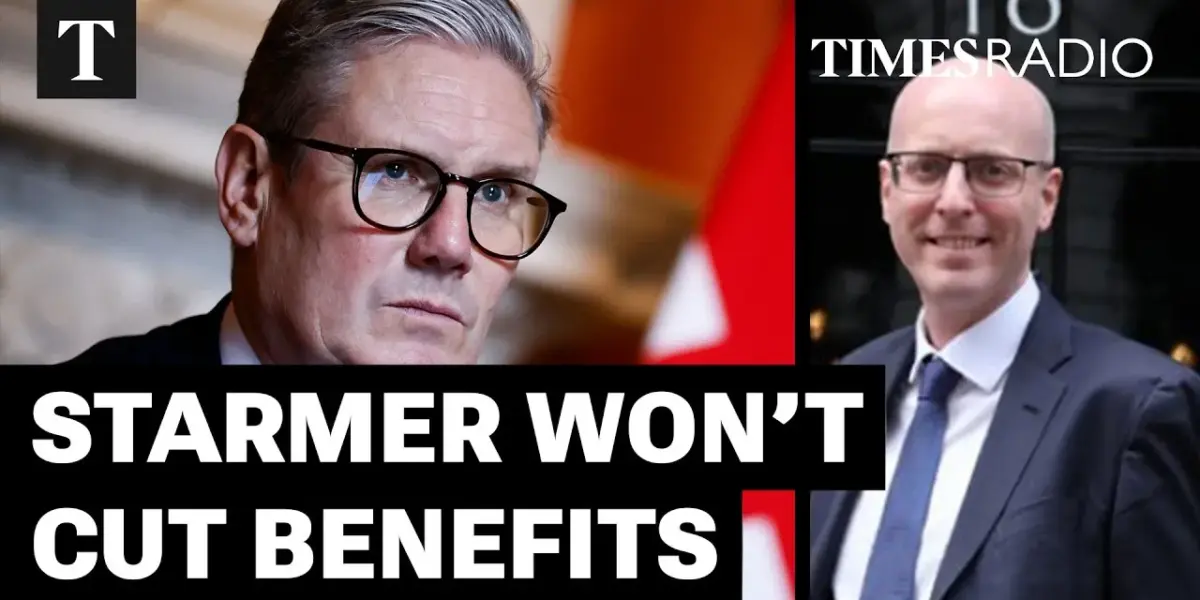
UK Navigates Global Conflicts, Economic Pressures
The United Kingdom finds itself at a complex crossroads, grappling with international conflicts, internal defense spending debates, and the persistent pressure of rising living costs. Prime Minister Rishi Sunak’s recent diplomatic efforts in the Gulf highlight the nation’s limited direct influence on major global conflicts, despite their significant economic and political impact on Britain.
Limited Influence in Middle East Conflict
While the UK is actively engaged in calls for a ceasefire and de-escalation in the Middle East, political editor Steven Swinford of The Times explained that Britain’s military capacity restricts its ability to directly shape outcomes. “Militarily we are limited in what we can do,” Swinford stated, suggesting that diplomacy and public statements are the primary tools available to the government. The Prime Minister’s visits to the UAE and Bahrain underscore this focus on diplomatic engagement. However, Swinford noted that the central players in these conflicts are largely the US, Israel, Iran, and regional powers, positioning the UK as a “relatively peripheral player” in terms of direct power to alter events.
US Alliance Under Strain, Impact on Diplomacy
The relationship with the United States, a cornerstone of British foreign policy, is also a point of concern. Comments from former President Donald Trump, criticizing NATO allies and leaders, have raised anxieties within the British establishment. “People are concerned about it,” Swinford reported, highlighting worries that Trump’s approach could affect broader cooperation, even beyond intelligence sharing. This potential strain on the “special relationship” could hinder Britain’s ability to exert influence, particularly in efforts to resolve ongoing conflicts and ensure the free passage of vital shipping routes.
Strait of Hormuz Closure Fuels Economic Woes
The closure of the Strait of Hormuz, a critical global shipping lane, continues to drive up prices in the UK, with effects that could last for months. Shipping experts cite fears of violence and attacks on vessels as the primary reason for the reluctance of ships to transit the strait. “They think their ships will be blown up and they think the sailors are at risk,” Swinford explained. This situation is not merely an insurance or naval escort issue; it requires a sustainable ceasefire to ensure safe passage. Until then, the economic fallout, including higher prices at supermarkets and petrol pumps, is expected to persist, posing a significant challenge for British consumers and the economy.
Defense Spending Debate: Treasury vs. MOD
The escalating global tensions have intensified pressure on the government to increase defense spending. However, this push faces significant internal resistance, primarily from the Treasury. A public disagreement is brewing between the Ministry of Defence (MOD) and the Treasury over how to allocate resources, especially given the UK’s “straightened financial circumstances.” The government is reportedly considering substantial energy support packages for the winter, leaving little room for increased defense expenditure. This creates a tension between those in government who wish to put the economy “on a war footing” and the reality of limited financial capacity.
No Benefit Cuts Planned, Triple Lock Consensus
Despite the increased demand for defense funding and general economic pressures, the government has categorically ruled out cutting benefits or pensions to pay for increased defense spending. “I can tell you categorically that will not happen,” Steven Swinford stated firmly. He recalled the significant political fallout from previous attempts by the Labour party, under Keir Starmer, to reform the welfare system, which led to a major U-turn. This experience has apparently shelved any significant welfare reform plans, with no such measures expected in the upcoming King’s Speech. Furthermore, there is a strong cross-party consensus on protecting the state pension, including the “triple lock” mechanism, which guarantees annual increases. Even Reform UK leader Nigel Farage has publicly backed the triple lock, signaling no prospect of change. This consensus, combined with rising benefit and pension costs, represents a substantial and growing burden on public finances.
Looking Ahead: Economic Stability and Global Role
As Britain navigates these interconnected crises, attention will remain fixed on diplomatic efforts to de-escalate global conflicts and reopen vital trade routes. The government’s ability to manage its budget, balancing defense needs with social support and energy relief, will be crucial. The upcoming King’s Speech will offer further clarity on legislative priorities, though significant welfare reforms appear unlikely in the near term. The sustained economic impact of global instability, coupled with domestic fiscal pressures, will likely define the political agenda for months to come.
Source: Starmer ‘Categorically Will Not’ Cut Benefits To Pay For Defence | Steven Swinford (YouTube)

Related Articles

Israel Claims Major Blows Against Hezbollah
Israeli forces report killing over 1,400 Hezbollah members and destroying thousands of sites in Lebanon. As Iran calls for a ceasefire, Israel prepares for talks focused on disarming the group, not ending hostilities. This escalation carries significant regional implications.

Vance’s Peace Play: A Desperate Gamble for Power?
Senator JD Vance's potential role in peace talks is questioned, with critics suggesting desperation over genuine diplomacy. Meanwhile, reports of a ceasefire are contradicted by ongoing violence, highlighting a potential disconnect between political narratives and battlefield realities.

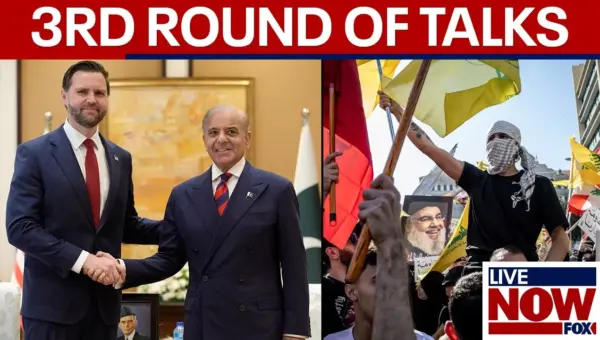
US-Iran Talks Extend Late into Night in Pakistan
High-level U.S.-Iran talks have extended late into the night in Islamabad, Pakistan, marking the most significant direct discussions in over 50 years. Key demands from Iran include the release of overseas assets and control over the Strait of Hormuz, while the U.S. prioritizes a cessation of hostilities. The ongoing conflict with Israel and Hezbollah adds complexity to the already tense negotiations.