Russia Expands War Aims: Buffer Zones, Cyber Attacks
Russia is expanding its war strategy, focusing on creating 'buffer zones' along its border and intensifying drone strikes within Russia. Ukraine counters by targeting key Russian energy infrastructure, including a major oil terminal in Crimea. The conflict's geography is widening with threats toward Moldova's Transnistria region and the Baltic states, alongside cyber operations disrupting Russian networks. Diplomatic efforts for a ceasefire face significant hurdles due to differing demands.

Russia Broadens War Strategy Beyond Frontlines
Recent developments indicate Russia is expanding its military strategy beyond direct battlefield engagements. The Institute for the Study of War (ISW) notes Russia continues offensive operations aimed at creating ‘buffer zones’ along its border with Ukraine. This suggests a focus on strategic depth and forcing Ukraine to defend a wider area, stretching its resources and command attention.
Buffer Zone Logic Explained
The concept of a buffer zone military aims to create more distance between Russian territory and Ukrainian strike capabilities. This approach is not about quick battlefield victories but about wearing down an opponent over time. By forcing Ukraine to spread its forces and respond to threats across a larger area, Russia gains strategic advantage even without dramatic territorial gains. It also allows Moscow to frame its actions as defensive security measures.
Drone Swarms Test Russian Defenses
Meanwhile, Ukraine continues to pressure Russia through long-range drone strikes. Russia reported intercepting 73 Ukrainian drones overnight between April 7 and April 8. While many may have been stopped, these repeated waves demand constant surveillance, readiness, and air defense resources. This persistent aerial pressure impacts the perceived security of Russia’s rear areas and requires significant attention and logistical support, even if direct damage is minimized.
Ukraine Strikes Key Russian Energy Infrastructure
Ukraine has intensified its campaign against Russian energy infrastructure, aiming to raise the cost of the war for Moscow. On April 8, Ukraine claimed a strike on Russia’s oil terminal in Feodosia, occupied Crimea. This terminal is described as the largest maritime oil facility on the peninsula and plays a crucial role in supplying fuel to Russian forces. Such strikes target Crimea’s function as a vital logistics and fuel hub for Russian military operations.
Broader Campaign Against Refineries
The Feodosia strike is part of a larger pattern of Ukrainian attacks on Russian energy sites. Several major refineries have recently suspended operations or reduced capacity due to drone attacks. These include the NORSI refinery, the Kirishi refinery, and Novatek’s Ust-Luga complex. Ukraine has also reported strikes on the Bashneft-Novoil refinery, over 1,400 kilometers from the Ukrainian border. These attacks aim to impose cumulative pressure on Russia’s energy sector, forcing costly repairs, dispersal of assets, and increased air defense spending. While not collapsing Russia’s energy system, the strategy seeks to drain resources and signal Ukraine’s continued reach.
Russia Threatens Baltic States Amid Widening Conflict Geography
The conflict’s geographic scope appears to be widening, with new warnings emerging regarding Moldova and the Baltic states. Ukraine’s Deputy Presidential Office head, Pavlo Palisa, stated that Russia plans to establish a buffer zone in Moldova’s Russian-occupied Transnistria region. Transnistria, bordering Ukraine’s Vinnytsia Oblast, has been under Russian military presence since 1992. The mere possibility of increased activity in this region forces Ukraine, Moldova, and NATO to recalculate risks, potentially tying down Ukrainian resources and unsettling European security.
Rhetorical Escalation Towards Baltics
Simultaneously, Russia has escalated its rhetoric towards Estonia, Latvia, and Lithuania. Russian Foreign Ministry spokesperson Maria Zakharova issued a veiled threat, stating the Baltic states had received an ‘appropriate warning.’ Moscow accuses these nations of allowing Ukrainian forces and drones to operate from their airspace, linking Ukrainian strikes on Russian Baltic ports to a broader confrontation. This narrative escalation aims to create pressure and ambiguity, suggesting potential Russian responses beyond Ukraine itself.
This rhetorical escalation coincides with Ukrainian drone strikes targeting Russian energy infrastructure near the Baltic coast. Facilities like the Ust-Luga export hub have been repeatedly hit. From Moscow’s perspective, these overlapping vulnerabilities in Russian exports, military logistics, and regional signaling in the Baltic region are a structural concern. Estonian Foreign Minister Margus Tsahkna emphasized the need for Western countries to maintain focus on Ukraine, even as other global crises, like the situation involving Iran, draw attention. He warned that a decrease in Western focus benefits Moscow.
Diplomatic Signals Amidst Escalation
Amidst these military and geopolitical developments, diplomatic signals have also emerged. Following regional de-escalation related to Iran, both Kyiv and Moscow have spoken of ceasefires, though with different interpretations. Ukrainian President Volodymyr Zelenskyy stated Ukraine is ready for a ceasefire if Russia halts its attacks, framing it as a foundation for peace agreements. Ukraine also sent specialists to the Middle East to counter Iranian drone threats, highlighting interconnected security challenges.
Contrasting Ceasefire Demands
Kremlin spokesperson Dmitry Peskov welcomed the Iran ceasefire developments and expressed hope for renewed trilateral talks with the U.S. and Ukraine. However, progress remains stalled by Russia’s demand that Ukraine cede the Donbas region, a condition Kyiv rejects. For Ukraine, a ceasefire means an actual reduction in attacks. For Russia, ceasefire language often accompanies territorial demands, making genuine agreement difficult. The effectiveness of any future talks hinges on the terms, enforcement, and whether they lead to actual progress rather than just diplomatic posturing.
Cyber Operations Add Another Layer to Conflict
The conflict is also being fought in the digital realm. The U.S. Justice Department announced the disruption of a Russian GRU-controlled DNS hijacking network, dubbed Operation Masquerade. This operation used hijacked routers to target military, government, and critical infrastructure sectors worldwide. Thousands of routers were affected, with over 200 organizations and 5,000 consumer devices impacted across 15 countries.
This cyber operation underscores the broad nature of the competition. While Russia pursues offensive operations and threats, it is simultaneously engaged in cyber and intelligence activities far beyond the immediate frontline. The targets included ministries of foreign affairs, law enforcement agencies, and email providers. This integrated approach, combining military pressure, energy infrastructure strikes, cyber access, state messaging, and diplomatic maneuvering, demonstrates how the lines between battlefield and non-battlefield are increasingly blurred. The ability to maintain international attention and focus on Ukraine amidst competing global crises remains a critical strategic challenge for Kyiv and its allies.
Source: Putin is SCARED — Russia Wants to URGENTLY CREATE a 'Buffer Zone'. (YouTube)

Related Articles

Putin Declares Easter Ceasefire; Ukraine Demands Reciprocity
Russia declared a unilateral Easter ceasefire, but Ukraine demanded reciprocity, emphasizing that any pause must be mutual. President Zelenskyy warned of catastrophic losses if Russia attempts to fully occupy Donbas. Meanwhile, Russia continues to patrol maritime routes and tighten internet controls, while the UK reinforces Middle Eastern defenses and tracks Russian submarine activity.

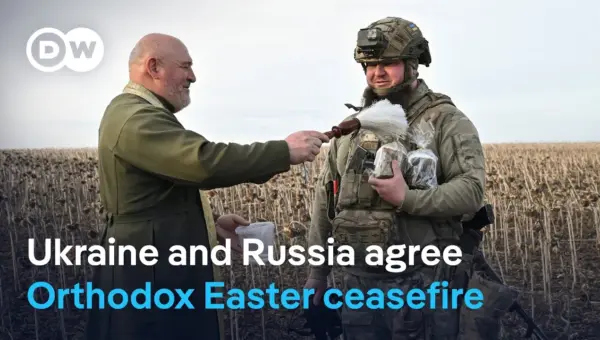
Ukraine Skeptical of Putin’s Easter Ceasefire Offer
Russia's President Vladimir Putin has proposed a 32-hour ceasefire for Orthodox Easter, but Ukraine remains deeply skeptical. Past truces have failed, with both sides accusing each other of violations. Residents and officials in Kyiv express little faith in the current offer, citing a history of broken promises and continued military escalation.

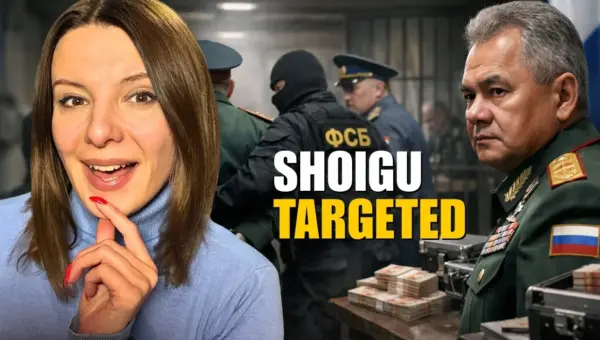
Putin Purges Defense Circle Amid War Woes
President Putin is reportedly purging allies of Defense Minister Sergei Shoigu, arresting deputies on corruption charges. This move may aim to deflect blame for military failures or weaken Shoigu's influence amid growing internal dissent.