Trump’s NATO Exit Threat Sparks Global Power Shift
Former President Donald Trump's suggestion that NATO is 'finished' and allies must secure their own oil shipments signals a major potential shift in global power. This move could force nations to rebuild independent military forces, potentially recreating the unstable international environment of the 1930s and leading to a rapid decline in U.S. strategic influence.

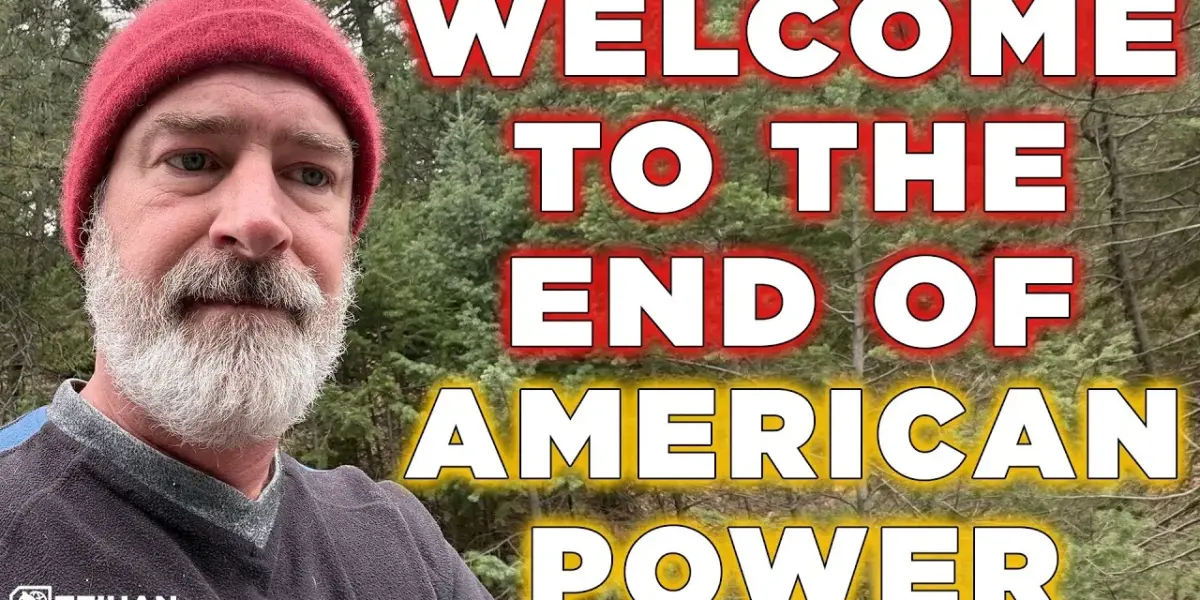
Trump’s NATO Exit Threat Sparks Global Power Shift
Former President Donald Trump’s recent statements about the potential end of NATO and a call for countries to secure their own oil shipments from the Persian Gulf signal a dramatic potential shift in global power. This move, if enacted, would force allies to rebuild independent military capabilities, potentially recreating the unstable international environment of the 1930s. The United States, which has underwritten global security for 75 years, risks a rapid decline in its strategic influence worldwide.
A Return to Colonial-Era Security
Trump’s vision, expressed on his Truth Social platform, suggests a return to an era where each nation was responsible for its own defense and economic security. Specifically, he indicated that nations relying on crude oil from the Persian Gulf should now defend those shipments themselves. This implies a dismantling of the U.S.-led security umbrella that has largely prevented major interstate conflicts since World War II. The current system, where the U.S. and its allies handle security, has allowed many nations to focus on economic growth rather than military spending.
Motivations Behind the Potential Shift
Trump’s stated motivation is to end U.S. involvement in global security commitments, arguing that the current model is too costly and entangling. He wants allies to develop their own military forces, particularly naval power, to protect their economic interests. This approach aims to reduce American responsibilities and expenditures abroad. However, the consequence is a forced rearmament and potential competition among former allies, as each nation prioritizes its own resource access and security needs. This could lead to increased tensions and conflicts over vital resources like oil.
Historical Context: The Pre-War World
The scenario Trump describes closely resembles the international system before World War II. In the 1930s, industrialized nations competed fiercely for resources, particularly oil, and maintained their own navies to protect trade routes. This competition often led to disputes and military build-ups. The current U.S.-led alliance system, including NATO, was established precisely to avoid such a fragmented and conflict-prone world. By demanding allies go it alone, Trump risks undoing decades of stability and returning to a more dangerous geopolitical landscape.
Economic Leverage and Trade Routes
The global economy is heavily reliant on secure shipping lanes, especially for energy. The Persian Gulf is a critical chokepoint for oil exports, supplying much of Europe and East Asia. If the U.S. withdraws its naval protection, these nations would need to invest heavily in their own navies to guarantee supply. This could lead to disputes over access and pricing, as countries with naval power might gain an advantage. The U.S. has used its security guarantees as a form of economic leverage, allowing allies to prosper by reducing their defense budgets. Ending this arrangement would fundamentally alter global trade dynamics.
Regional Alliances and Shifting Power Balances
NATO, formed in 1949, has been the cornerstone of Western security. Trump’s questioning of its viability and his demand for independent action by allies could fracture this long-standing alliance. European nations, heavily dependent on U.S. security guarantees, would face immense pressure to rapidly expand their military capabilities. Similarly, East Asian allies like Japan and South Korea, who rely on U.S. naval power for regional stability, would need to reassess their defense postures. This could lead to a resurgence of regional military rivalries and a more multi-polar, less predictable world order.
Future Scenarios
One potential scenario is that allies heed Trump’s call and significantly boost their defense spending, creating new regional security arrangements. This could lead to a less U.S.-centric world but also increase the risk of conflicts as competition for resources intensifies. Another scenario is that allies resist the demand, leading to a weakened NATO and a more isolated United States. A third possibility is a partial withdrawal, where the U.S. scales back its global commitments but maintains some strategic presence, leading to a mixed and uncertain geopolitical environment. The transcript suggests the U.S. would actively plan for conflicts with former allies, indicating a belief that such outcomes are highly probable.
Global Impact: Why This Reshapes the World Order
This potential shift represents a significant contraction of American global power and influence. For 75 years, the U.S. has been the primary guarantor of international security, enabling globalization and economic interdependence. Trump’s proposed policy fundamentally challenges this role. It suggests a future where nations must fend for themselves, leading to increased competition, potential conflicts, and a less stable international system. The collapse of American strategic power could be more profound and rapid than even the dissolution of the Soviet Union, as the U.S. withdrawal would be global, not just regional. This could usher in an era of heightened uncertainty and instability, forcing a complete reevaluation of the post-World War II international order.
Source: How to End American Power || Peter Zeihan (YouTube)

Related Articles

Strait of Hormuz Tensions Rise: Allies Urged to Step Up
European allies are urged to increase their efforts in securing the Strait of Hormuz, a vital oil transit route. Concerns persist over Iran's nuclear program and regional activities, posing a threat to global stability.

Trump Exploits Iran’s Factional Chaos for Deal
The Trump administration is reportedly exploiting deep divisions within the Iranian regime to gain leverage in ongoing peace talks. By fueling infighting among various factions, the US aims to secure a more favorable deal or weaken its adversaries through internal conflict. This strategy also extends to pressuring China economically by disrupting its access to discounted oil.
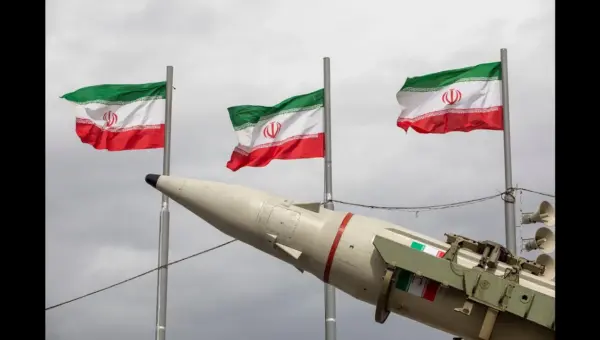
Iran’s Stark Choice: Surrender or Face Destruction
A senior analyst states Iran must choose between total surrender or annihilation. Khosro Isfahani highlights conflicting media reports and urges awareness amidst potential conflict. This stark choice has significant global implications.