Russia Warns NATO Factories Amidst Battlefield Setbacks
Russian state television has openly discussed striking defense factories in NATO countries like Britain and Germany. This escalatory rhetoric follows reported setbacks in Russia's spring offensive. The threats highlight concerns over Western military aid to Ukraine and raise fears of wider conflict.

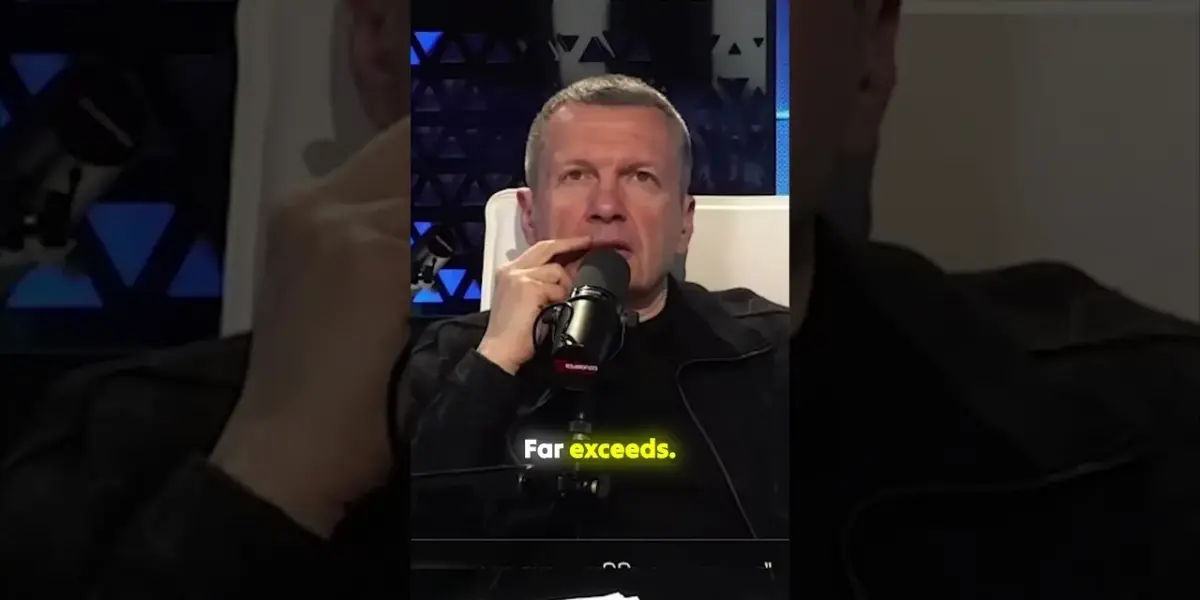
Russian State TV Signals Escalation Against NATO Defense Production
Russian state television has openly discussed striking defense factories within NATO countries, signaling a potential escalation in rhetoric and possibly intent. These facilities are viewed by some Russian commentators as effectively supporting Ukraine’s war effort. The threats specifically mentioned targets in Britain, Norway, and Germany, framing these locations as crucial hubs for Ukrainian military supplies.
Rhetoric Echoes Battlefield Frustration
The aggressive pronouncements, notably from commentator Vladimir Solovyov, come against a backdrop of reported setbacks for Russian forces in their spring offensive. This context suggests the heated rhetoric may be an attempt to project strength or deflect from difficulties on the ground. The suggestion to strike NATO defense production sites represents a significant escalation from previous warnings, which primarily focused on Ukrainian territory.
One guest on Solovyov’s show reportedly proposed targeting Ukrainian train stations. However, the focus on attacking NATO infrastructure highlights a growing frustration with the flow of Western military aid to Ukraine. The argument presented is that these factories are integral to Ukraine’s ability to continue fighting, making them legitimate targets in the eyes of these commentators.
Mercenary Claims Highlight Shifting Battlefield Dynamics
The discussion also touched upon the presence of foreign fighters, with claims made that the number of foreign mercenaries fighting for Ukraine significantly outnumbers North Korean soldiers fighting alongside Russian forces. This comparison, though unverified, aims to frame the conflict as increasingly internationalized. It raises questions about the composition of forces on both sides and the perceived reliance on external support.
The calls for striking NATO factories, while currently within the realm of televised commentary, carry significant weight. Such actions, if ever carried out, would directly involve NATO members in the conflict. This could trigger Article 5 of the NATO treaty, which states that an attack on one member is an attack on all. The implications for global security would be profound.
Strategic Implications
The explicit targeting of NATO defense factories represents a dangerous escalation. These factories are not just buildings; they are critical nodes in the Western alliance’s ability to sustain Ukraine’s defense. Striking them would be a direct challenge to NATO’s collective security and could have far-reaching consequences. It suggests a Russian strategy to disrupt the supply of advanced weaponry and pressure Western nations to reconsider their support for Ukraine.
The commentary also reflects a potential shift in Russian military thinking. By threatening facilities outside of Ukraine, Russia could be signaling a willingness to broaden the conflict’s scope. This tactic, often seen in information warfare, aims to create fear and uncertainty among Russia’s adversaries. It attempts to force a recalculation of risks and potential costs associated with continued support for Ukraine.
Historical Parallels
Throughout history, major powers have sometimes used threats against industrial capacity to weaken an adversary’s war-making potential. During World War II, for example, Allied bombing campaigns heavily targeted German and Japanese industrial centers. However, direct strikes on the territory of opposing alliance members, especially nuclear-armed ones, carry a much higher risk of uncontrolled escalation. This current situation evokes concerns about miscalculation and unintended consequences.
The mention of foreign mercenaries fighting in Ukraine also echoes historical conflicts where international volunteers have played significant roles. The International Brigades in the Spanish Civil War are a notable example. While their impact varied, their presence often complicated geopolitical dynamics. The current rhetoric highlights the perceived internationalization of the Ukraine conflict from the Russian perspective.
Geopolitical Impact
These pronouncements from Russian state media underscore the fragility of the current geopolitical climate. They increase tensions between Russia and the West, potentially leading to further military buildups and heightened alert levels. The threats serve as a stark reminder of the risks involved in supporting Ukraine and the potential for the conflict to spill over beyond its current borders. The international community is watching closely for any signs that this rhetoric might translate into action.
Source: 😱Russian State TV Threatens NATO Factories & Britain (YouTube)

Related Articles
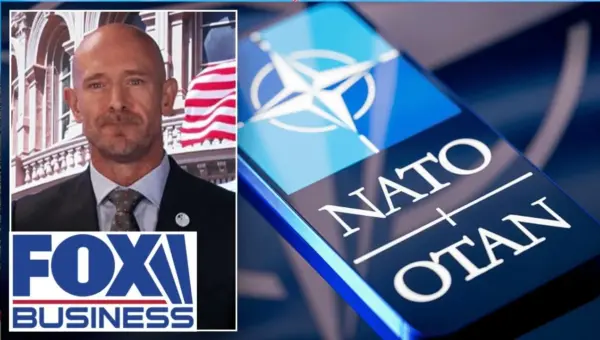
NATO Allies Urged to Step Up Support for US
Retired Navy SEAL Mike Cirelli urges NATO allies to increase their support for U.S. international efforts, citing delays in crucial operations. NATO's chief acknowledges past slow responses, while Cirelli emphasizes the need for allies to take greater responsibility for global security, especially concerning energy supplies.
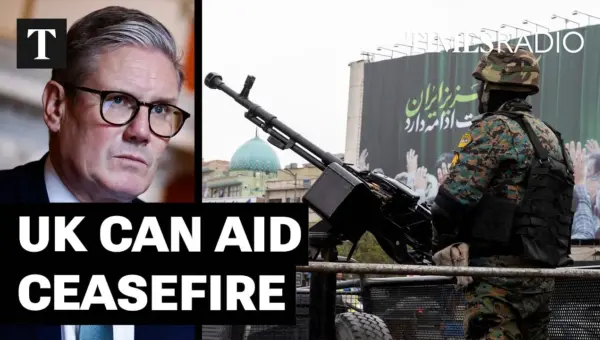
UK Offers Iran Negotiation Insight to Aid Trump’s Stalled Deal
The UK is offering its diplomatic expertise to the US to help President Trump navigate complex negotiations with Iran. As talks loom amidst uncertainty and strained UK-US relations, London believes its experience can aid in achieving a settlement and reopening the Strait of Hormuz. Discussions also highlight the UK's defense readiness and its role in regional stability.
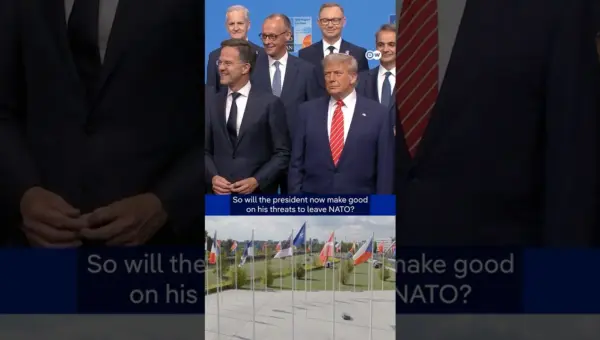
Trump’s NATO Frustration Fuels Exit Threats, Alliance Faces Crisis
President Trump's frustration with NATO allies over Iran policy has intensified, leading to renewed threats of withdrawal. While legal avenues exist to potentially block a full exit, the U.S. could significantly weaken the alliance by simply withdrawing support and troops, raising concerns among European nations.