Iran’s Strait Threat Lower After ‘Epic Fury’ Operation
Following 'Operation Epic Fury,' Iran's threat to the Strait of Hormuz has significantly decreased. Diplomatic efforts now focus on rebuilding allied confidence and securing naval escorts to ensure open shipping lanes, while U.S. demands regarding Iran's nuclear program remain firm.

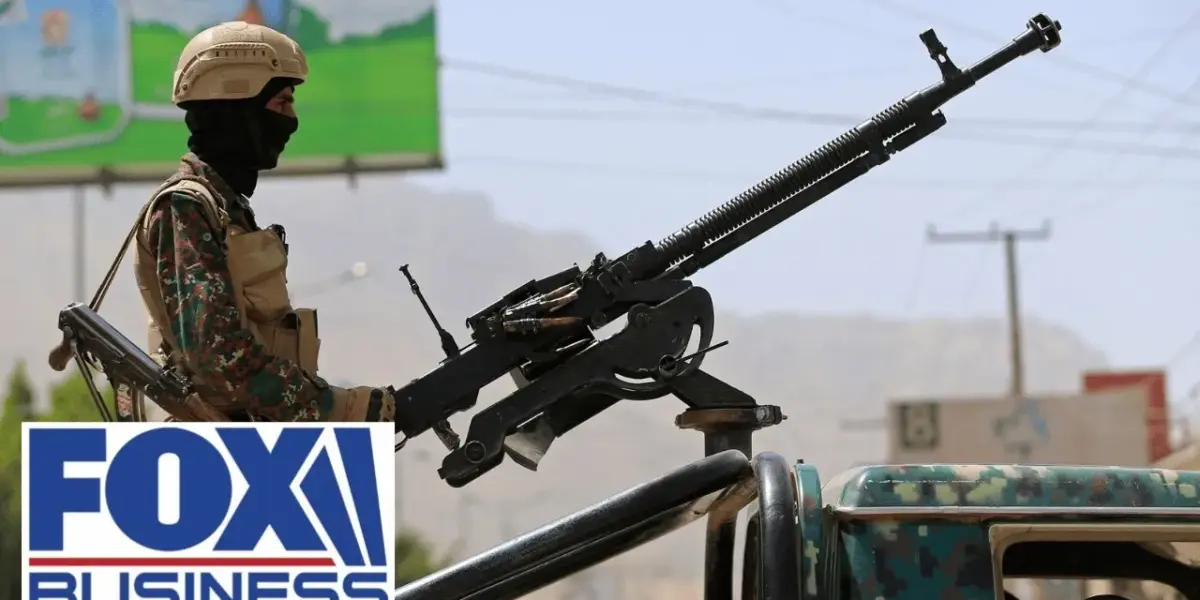
Iran’s Strait Threat Significantly Reduced Post-‘Epic Fury’ Operation
The threat posed by Iran to vital shipping lanes has been substantially lowered following the success of a military operation dubbed ‘Epic Fury.’ While tensions remain, experts suggest this marks a significant de-escalation, though not necessarily a complete end to hostilities.
Navigating the Strait: Diplomacy and Deterrence
Iran has historically held considerable leverage over the Strait, primarily through the ability to disrupt international shipping. By creating sufficient threats, Iran can make insurance companies and shipping firms hesitant to traverse the waterway, fearing damage or loss. This leverage, however, appears diminished after ‘Operation Epic Fury.’
President Trump has prioritized securing a ceasefire to boost allied confidence and facilitate naval escorts through the Strait. Repeated assurances that ‘the Strait is open’ aim to encourage nations to continue using it for trade, particularly for oil transport. This diplomatic push is expected to be a key focus in the coming weeks.
‘Operation Epic Fury’ Impact and Allied Cooperation
The success of ‘Operation Epic Fury’ has degraded Iran’s military capabilities. While the situation is described as a ‘pause’ rather than a definitive end to conflict, the ability of Iran to wage the kind of campaign it could a month ago is significantly reduced. This operational setback is crucial, even as diplomatic efforts continue.
Behind the scenes, there is considerable effort to build confidence among allies. European and Asian allies have a vested interest in keeping the Strait open. The strategy now involves encouraging allies to contribute naval assets, including mine sweepers, to the region. This collaborative approach, emphasizing ‘strength in numbers,’ is seen as more effective than strong rhetoric.
The administration is shifting from confrontation to persuasion, seeking to ‘woo’ allies by offering incentives and building confidence. This diplomatic approach aims to convince nations to commit resources and personnel, fostering a collective security presence in the region. The goal is to ensure the free flow of global commodities, which has a direct impact on markets in the short term.
Peace Proposals and Nuclear Concerns
Both the United States and Iran have put forward proposals, though initial assessments suggest they are far apart. This is not surprising, given the nature of high-stakes negotiations. However, the focus remains on core demands.
The U.S. demand that Iran be prevented from accessing nuclear material remains a top priority. Efforts to degrade Iran’s military capabilities continue, specifically to prevent the rebuilding of missile forces and enhanced capacity. Crucially, U.S. forces have not been withdrawn from the region, indicating a sustained commitment to security.
Addressing ‘Nuclear Dust’ and Future Inspections
‘Nuclear dust’ refers to residual enriched uranium left within Iran after actions like ‘Operation Midnight Hammer,’ which significantly impacted the country’s nuclear program. While current intelligence suggests Iran does not have access to this material and key scientists have been neutralized, the concern is that they could regroup.
The long-term priority is to ensure Iran cannot threaten the U.S. or its allies again. This involves securing international inspectors to conduct thorough extractions of any remaining nuclear materials or capabilities. This aspect of the situation remains a critical focus for ensuring regional stability and global security.
Market Impact
The de-escalation of tensions around the Strait of Hormuz is a positive development for global markets. Reduced threats to oil transport can lead to more stable energy prices and increased confidence for international trade. Allies contributing naval assets can further bolster security, reducing risks and potentially lowering shipping insurance costs. This increased stability can help calm commodity markets and support economic activity worldwide.
What Investors Should Know
Investors should monitor the ongoing diplomatic efforts and the effectiveness of allied cooperation in securing the Strait. A sustained period of calm in the region could reduce geopolitical risk premiums in energy markets. The U.S. stance on preventing Iran from accessing nuclear materials remains a key factor to watch, as any escalation on this front could introduce new uncertainties. The successful extraction of remaining nuclear materials would further solidify regional stability.
Source: Iran threat 'SO MUCH LOWER' after Operation Epic Fury: Expert (YouTube)

Related Articles


Strait of Hormuz Tensions Rise: Allies Urged to Step Up
European allies are urged to increase their efforts in securing the Strait of Hormuz, a vital oil transit route. Concerns persist over Iran's nuclear program and regional activities, posing a threat to global stability.


Trump Exploits Iran’s Factional Chaos for Deal
The Trump administration is reportedly exploiting deep divisions within the Iranian regime to gain leverage in ongoing peace talks. By fueling infighting among various factions, the US aims to secure a more favorable deal or weaken its adversaries through internal conflict. This strategy also extends to pressuring China economically by disrupting its access to discounted oil.
Iran’s Stark Choice: Surrender or Face Destruction
A senior analyst states Iran must choose between total surrender or annihilation. Khosro Isfahani highlights conflicting media reports and urges awareness amidst potential conflict. This stark choice has significant global implications.