Iran’s Exiled Prince Eyes Power Amid US-Tehran Tensions
Iran's exiled Crown Prince Reza Pahlavi is urging patience for a popular uprising against the current regime. His aide discusses the complexities of US-Iran relations, interpreting President Trump's threats as aimed at the regime, not the people. The future of Iran hinges on internal resolve and international dynamics.


Iran’s Exiled Prince Eyes Power Amid US-Tehran Tensions
Reza Pahlavi, Iran’s exiled Crown Prince, is urging his people to be patient and wait for the right moment to overthrow the current Islamic Republic. His message, delivered to Iranians, emphasizes that while the desire for change is strong, revolutions need more than just spirit. They require organization, communication, transportation, and significant resources, including weapons.
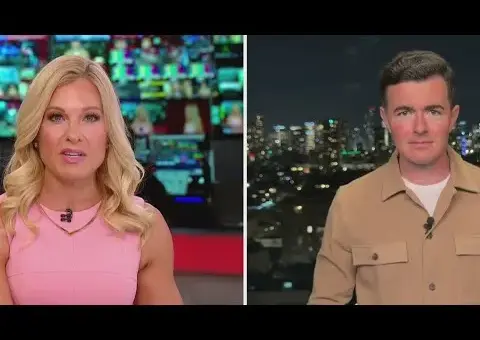
Pahlavi’s Chief of Staff, Kamran Khan, explained that the Crown Prince believes the destiny of Iran is in the hands of its people. He has repeatedly stated that he will issue a final call for Iranians to rise up and reclaim their country after 47 years under the current regime. Khan highlighted that Iranians are not passively waiting for freedom; they are willing to fight and die for it, as evidenced by a recent call for action where an estimated 45,000 Iranians reportedly lost their lives after the government shut down the internet.
US-Iran Dynamics: Negotiation vs. Confrontation
The political situation is complicated by ongoing discussions between the United States, under President Trump’s administration, and the current Iranian leadership. Khan expressed skepticism about the likelihood of a deal that would serve American national interests. He pointed out that the same leaders negotiating with the US have chanted “Death to America” for decades, have been responsible for killing American soldiers, taking hostages, and disrupting oil supplies. He believes this regime, driven by a hateful ideology, has not changed its fundamental stance towards the United States.
Furthermore, Khan believes that even if a deal were reached, the Iranian people would not accept the continuation of the Islamic Republic. They desire a complete change, not just a cosmetic one, and reject the leaders who have oppressed them.
Interpreting Trump’s Threats
Regarding President Trump’s past threats to “annihilate” Iran or wipe Iranian civilization off the face of the earth, Khan offered a different interpretation. He suggested that these were not literal threats against the Iranian people or their culture. Instead, he believes President Trump meant to threaten the regime itself, aiming to remove it from power. Khan hopes the President will indeed act against the regime, which he argues is actively harming Iranian civilization.
Khan cited the Islamic Republic’s own actions over the past 30 years as proof of its destructive nature towards Iran’s heritage. He also pointed to the US military’s actions during any potential conflict, noting that the US armed forces took great care to avoid civilian casualties. He believes President Trump understands the difference between the Iranian people and their oppressive government, and that his words and actions reflect a desire to liberate Iran.
Historical Context and Future Scenarios
The current tensions echo historical patterns of US-Iran relations, marked by periods of both confrontation and attempted diplomacy since the 1979 revolution. The Trump administration’s approach, characterized by maximum pressure and sanctions, aimed to force Iran back to the negotiating table. However, the effectiveness of this strategy and the potential for a lasting resolution remain subjects of debate.
One scenario is that the current regime continues to hold power, possibly through a negotiated settlement that leaves it intact, despite popular discontent. Another possibility is that internal pressure, fueled by economic hardship and repression, eventually leads to widespread protests and a successful uprising, as envisioned by Pahlavi. A third scenario involves continued US-Iran confrontation, with the potential for escalating tensions or even direct conflict, though the US has emphasized avoiding civilian harm.
Global Impact
The future of Iran holds significant implications for global stability. Iran’s strategic location, its role in regional conflicts, and its potential nuclear program are key concerns for the international community. A stable, democratic Iran could reshape regional alliances and energy markets. Conversely, continued instability or a hardline regime could prolong regional tensions and pose ongoing security challenges.
The willingness of the Iranian people to fight for their freedom, as described by Khan, is a crucial factor. Their actions, combined with international diplomatic efforts and the stance of major powers like the United States, will ultimately determine Iran’s path forward. The Crown Prince’s call for patience suggests a belief that the current moment is not yet ripe for decisive action, but that the desire for change remains strong.
Source: Trump threat to annihilate Iran was negotiating tactic: Crown prince aide | Elizabeth Vargas Reports (YouTube)

Related Articles

Iran’s Strait of Hormuz Blockade Shifts Global Oil Power
Iran's control over the Strait of Hormuz, a vital global oil route, is shifting economic power dynamics. As former President Trump declared a U.S. naval blockade, experts highlight Iran's effective use of this physical choke point, challenging U.S. financial leverage and potentially forcing negotiations under duress.
US Tightens Grip, Eyes Regime Change in Iran
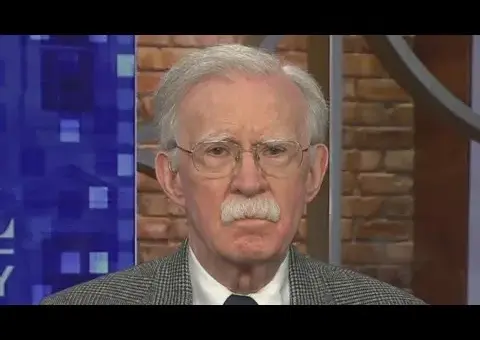
John Bolton argues that the recent ceasefire with Iran was a mistake and advocates for a renewed military strategy. His proposal includes reopening the Strait of Hormuz and maintaining a blockade on Iranian oil to pressure the regime, with the ultimate goal of regime change.
Iran Blocked; Oil Prices Surge; Mideast Tensions Rise
President Trump has ordered a naval blockade of the Strait of Hormuz following failed negotiations with Iran. This move aims to pressure Iran over its nuclear program and has led to warnings of higher gas prices and increased regional tensions. Meanwhile, Israel escalates its efforts against Hezbollah ahead of crucial talks.