UK Demands Ceasefire Extension to Lebanon
The UK is demanding an extension of the current ceasefire to include Lebanon, warning that failure to do so could destabilize the entire region. Foreign Secretary James Cleverly called recent Israeli escalations "deeply damaging" and stressed the need for an end to hostilities. The UK also reaffirmed its commitment to freedom of navigation through the Strait of Hormuz, rejecting any imposition of tolls by Iran.


UK Urges Ceasefire Expansion to Lebanon Amid Regional Instability
The United Kingdom is calling for an immediate extension of the current ceasefire to include Lebanon. Foreign Secretary James Cleverly stated that failing to do so would destabilize the entire region. This call comes as Lebanon faces escalating conflict, with yesterday marking the most intense fighting seen so far.
Damaging Escalation and Calls for End to Hostilities
Cleverly described the recent escalation by Israel as “deeply damaging” and stressed the urgent need to end hostilities in Lebanon. He highlighted the threat posed by Hezbollah, an Iranian proxy group designated as a terrorist organization. The Foreign Secretary emphasized the importance of both the Israeli and Lebanese governments working together to address this threat without further escalation. “We want to see an end to hostilities in Lebanon,” Cleverly stated, “That does mean dealing with the threat from Hezbollah… But we don’t want to see escalation.”
Freedom of Navigation and the Strait of Hormuz
In her annual Mansion House speech, the Foreign Secretary is set to address the critical importance of freedom of navigation, particularly for oil tankers transiting the Strait of Hormuz. Iran has reportedly sought to impose tolls on ships passing through the strait to compensate for damages allegedly inflicted by America and Israel. Former President Donald Trump has even suggested the U.S. might claim a share of these tolls after the conflict concludes.
Cleverly strongly rejected any notion of tolls or charges on this vital international shipping route. “This is an international shipping route. It’s between the high seas,” he explained. “This is part of the UN international law of the sea that there should not be charges.” He stressed that this route is crucial for numerous Gulf nations, not just Iran, and that international shipping must be supported. The UK has been actively engaging with countries worldwide to maintain diplomatic pressure and ensure the Strait of Hormuz remains open. “We cannot have any one country hijacking international shipping routes like that in order to hold the global economy hostage,” Cleverly asserted.
Fragile Ceasefire and Broader Middle East Concerns
While acknowledging the welcome presence of a ceasefire, Cleverly admitted receiving mixed reports about its stability. “The ceasefire is in place. Obviously, there’s talk of the fragility of it, but really we want it to succeed,” he said. The UK, though not involved in the conflict’s initiation, is committed to supporting efforts for a sustainable end. For British interests, reopening the Strait of Hormuz is paramount. The UK is working with international partners to keep pressure on for its full reopening.
Cleverly also mentioned the broader geopolitical situation in the Middle East, with the Strait of Hormuz being the most significant concern for the global economy. He indicated plans to meet with the International Maritime Organization to discuss proposals for clearing trapped ships and seafarers, addressing both economic and environmental risks. The UK’s stance is clear: freedom of navigation must be truly free, without tolls or charges, aligning with international maritime law.
NATO Alliance and UK Defense Posture
The conversation also touched upon the NATO alliance and recent comments by Donald Trump suggesting the U.S. might withdraw. Cleverly defended NATO as a crucial defensive alliance, recalling its historical significance, particularly after the 9/11 attacks when Article 5 was invoked. He highlighted the ongoing threat from Russian nuclear weapons and the importance of collective security. “NATO continues to be so important and we will continue to strongly support it,” he affirmed.
However, Cleverly distinguished the UK’s position on the recent conflict, noting that the UK did not engage in offensive action against Iran, acting in its own national interest and according to its values. He also addressed questions regarding the UK’s defense capabilities, particularly after an incident involving RAF Akrotiri in Cyprus. He clarified that the UK agreed to support defensive operations for Gulf partners facing attacks, deploying F-35s and Typhoons to the region for vital defensive missions.
Strengthening National and Economic Security
Cleverly stressed the need for the UK to prioritize security at the heart of its foreign policy, stating, “we cannot outsource our foreign policy decisions to other countries.” This includes strengthening national security through increased defense investment, described as the largest since the Cold War, and tackling hybrid threats. Economic security is also a key focus, with the government taking action against Russia’s “shadow fleet” to enforce sanctions on oil and gas. “We have to strengthen our own defense,” Cleverly concluded, emphasizing the proactive measures being taken to safeguard the UK’s interests.
Source: Israel’s Strikes On Lebanon Were ‘Deeply Damaging’ | Foreign Secretary (YouTube)

Related Articles
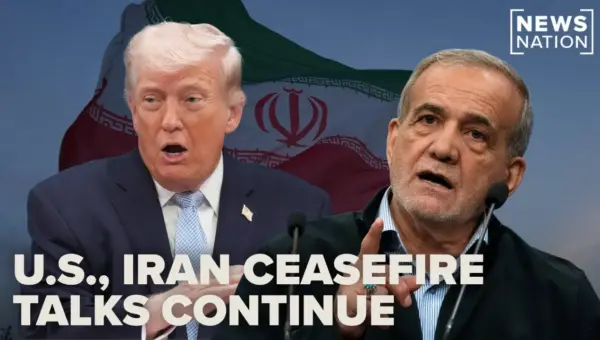
Iran Threatens Strait of Hormuz Amid Lebanon Strikes
Iran threatens to close the vital Strait of Hormuz in response to ongoing strikes in Lebanon. The US is trying to de-escalate, but actions on the ground remain a concern, potentially impacting global oil markets and future negotiations.

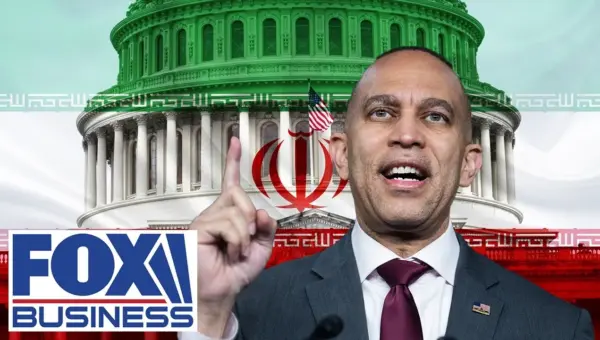
Senator Slams Jeffries’ Iran Stance, Cites Nuclear Threat
Senator Rick Scott sharply criticized House Democratic Leader Hakeem Jeffries over his stance on Iran, calling him an "idiot" for seeking to limit the President's authority. Scott highlighted the threat of Iran developing nuclear weapons. The discussion also covered President Trump's stance on NATO and the ongoing DHS funding shutdown.

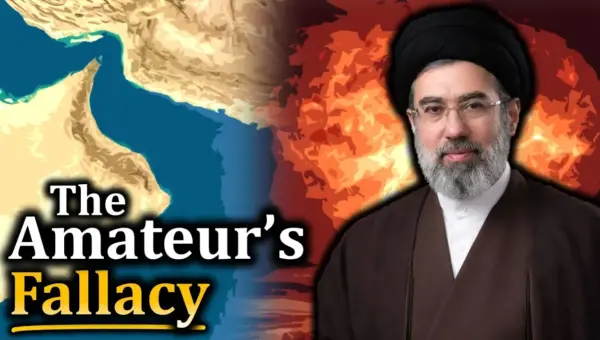
Iran’s Hormuz Threat: A Known Tactic, Not New
Recent conflict did not teach Iran a new tactic by threatening to close the Strait of Hormuz. Experts and Iranian planners have long understood this strategic leverage. The effectiveness of the recent shutdown was tied to global perceptions of the preceding conflict's instigator, not a newfound Iranian capability.