Historians Sue to Stop Trump From Destroying Records
Historians have filed a lawsuit to prevent Donald Trump from destroying classified documents, challenging his legal arguments about presidential records. The case revives debates about the Presidential Records Act and the public's right to historical information.

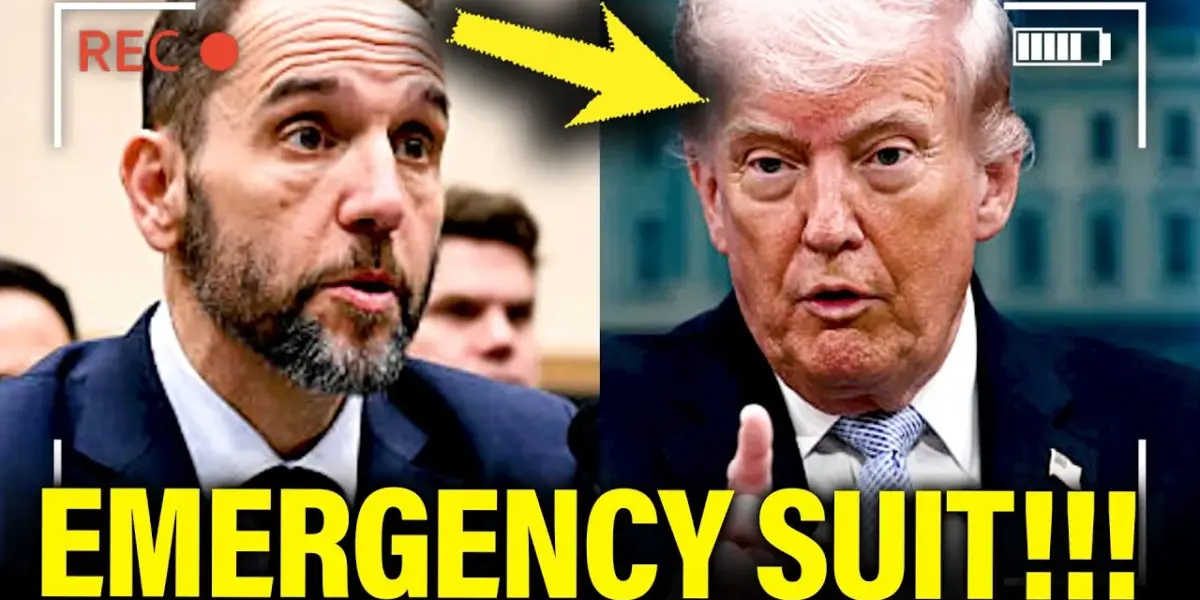
Historians Fight Back Against Document Destruction Claims
The American Historical Association, a group of historians, has filed a new lawsuit. They are challenging Donald Trump’s actions regarding top-secret classified documents. This comes after Trump was indicted for keeping these papers, including war plans, when he left office.
Challenging Legal Arguments
Trump’s legal team put out a memo. It argued that a 1978 Supreme Court decision was wrong. That decision said Congress can tell the executive branch, like the National Archives, to keep presidential records. Trump’s memo claimed Congress cannot tell the presidency what to do. This goes against the Supreme Court’s ruling in Nixon v. General Services Administration. The Supreme Court stated that presidents are only temporary holders of office. They cannot claim ownership of all presidential documents forever.
Historical Context: The Nixon Tapes
This argument echoes past events. During Richard Nixon’s presidency, a secret taping system was discovered. These tapes, used for personal and political reasons, became a major part of the Watergate investigation. The existence of these tapes and attempts to alter them showed the importance of preserving presidential records. The Supreme Court ruling in 1978 was meant to prevent such issues from happening again.
The Lawsuit’s Claims
The American Historical Association, along with American Oversight, filed their lawsuit in federal court. They claim Trump has violated the separation of powers and the Presidential Records Act. The lawsuit also mentions the Administrative Procedures Act. They are asking for an emergency order to stop any destruction of documents. The suit points to Trump’s actions after leaving office, including keeping boxes of documents at his Mar-a-Lago residence. The FBI found more classified documents even after the National Archives collected the initial boxes.
Concerns About Motives
The lawsuit also brings up the possibility of a business motive for keeping the documents. A memo from federal prosecutors reportedly suggested that some classified documents Trump kept could affect his business interests. This idea was also mentioned in a memo from Jack Smith’s team. Representative Jamie Raskin discussed this memo, stating that prosecutors believed Trump might have kept the documents for business or extortion purposes. He noted that one document was so secret only six people in the U.S. government could see it.
“The reason we think there’s a profit motive, a business motive, as they put it, was that Pam Bondi’s DOJ sent to us information that included a progress report from one of Jack Smith’s lawyers saying that there was a clear business motive, that that’s what they thought was behind his pilfering of all these documents.”
Trump’s Stance
Despite these claims, Trump has not accepted that he was required to turn over his documents to the National Archives. This is why the historians’ group felt it was urgent to go to court. They fear that Trump’s legal interpretations could allow him to destroy important historical records.
Why This Matters
This lawsuit highlights a crucial debate about presidential power and the preservation of public records. The Presidential Records Act of 1978 was created to ensure that records created by a president belong to the public, not the individual. If a president can claim sole ownership and decide what to keep or destroy, it could lead to the loss of valuable historical information. This information is vital for understanding government actions and holding leaders accountable.
Implications and Future Outlook
The outcome of this lawsuit could set a significant precedent for how presidential records are handled in the future. It raises questions about the balance of power between the branches of government and the public’s right to access information. The involvement of historical organizations underscores the deep concern about the potential loss of national memory. Future presidents and administrations will be watching this case closely to understand the boundaries of their authority over official documents.
Historical Context and Background
The debate over presidential records has a long history. Before the Presidential Records Act, presidents often considered their records private property. This led to disputes and the potential destruction of important documents. The Nixon case, in particular, brought the issue to the forefront. The 1978 law aimed to create a clear system for managing and preserving these records, ensuring they are available for historical research and public scrutiny. This new lawsuit suggests that the principles established by that law are still being tested.
Source: Jack Smith SURFACES in SURPRISE LAWSUIT to BLOCK TRUMP (YouTube)

Related Articles
Reform Party Faces Challenge in Shedding ‘Trump Party’ Image
The UK's Reform Party faces pressure to distance itself from Donald Trump to broaden its appeal for government power. Meanwhile, international peace talks regarding the Iran conflict are hampered by deep divisions, with a negotiator describing the gaps as an "abyss." The geopolitical landscape is shifting, prompting discussions about alliances and leadership styles.

Trump’s Inner Circle Calls for Removal Amidst Chaotic Statements
Prominent Trump allies like Candace Owens and Marjorie Taylor Greene are publicly questioning Donald Trump's mental fitness and calling for the 25th Amendment to be invoked. This follows Trump's own attacks on these figures, creating a significant rift within his base. Concerns are mounting over erratic statements and decision-making, particularly regarding foreign policy, leading to calls for his immediate medical evaluation.

Greene Demands GOP Burning; Trump Followers in Cult?
Marjorie Taylor Greene recently called for the Republican Party to be 'burned to the ground' and described Donald Trump's MAGA followers as being part of a 'cult.' These strong statements highlight deep divisions within the GOP and raise questions about the nature of political loyalty and party identity.