Vance’s Iran Stance: Courageous Critic or Political Chameleon?
Senator JD Vance reportedly voiced strong private concerns about a potential war with Iran to President Trump, yet publicly adopted a supportive tone. This contrast raises questions about his political motivations and authenticity as he eyes a presidential run.

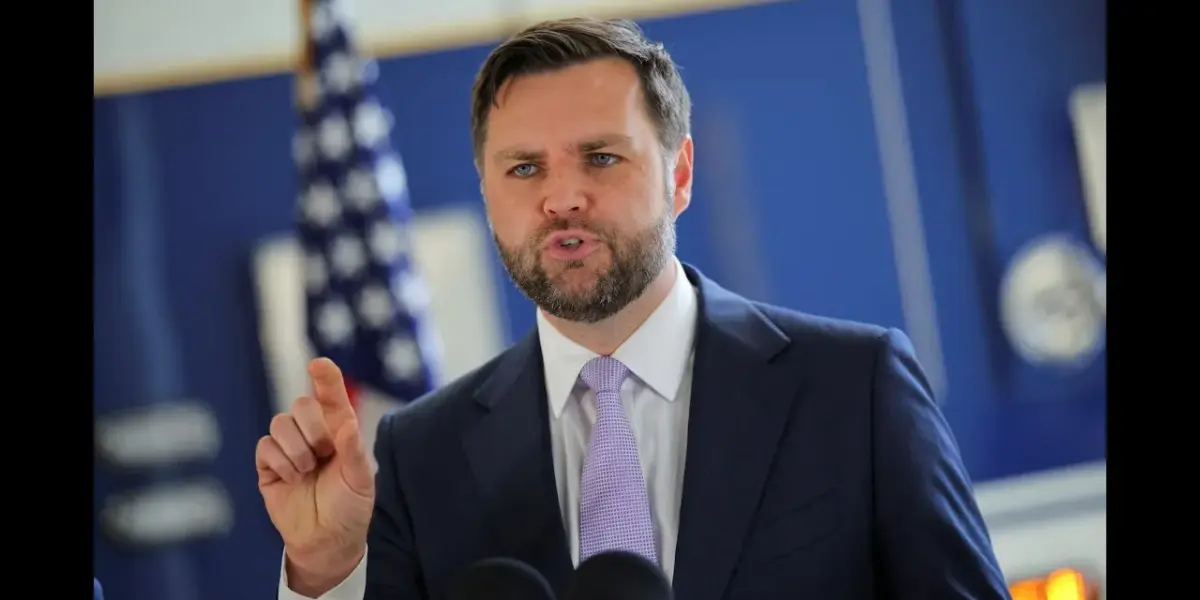
Vance’s Iran Stance: Courageous Critic or Political Chameleon?
Senator JD Vance has found himself in a difficult spot regarding the United States’ actions in Iran. While privately expressing strong concerns about a potential war with Iran to President Trump, Vance has publicly adopted a more supportive tone. This shift raises questions about his true beliefs and political motivations as he eyes a future presidential run.
Private Doubts, Public Support
According to a recent report, Vance was one of the few in the room to directly voice his worries to President Trump about a military conflict with Iran. He reportedly warned that such a war could lead to widespread chaos and heavy casualties. Vance also suggested it might divide Trump’s political base, betraying voters who were promised an end to foreign entanglements.
He described a war as a significant drain on resources and extremely costly. This directness, however, seems to have been reserved for private conversations. When questioned publicly about his stance on the ongoing situation in Iran, Vance’s response shifted considerably.
The Public Pivot
During a public interview, Vance was asked if he was fully on board with the current actions in Iran, given his past skepticism about military interventions. He pushed back, accusing the interviewer of trying to create a rift between him and the President. Vance then stated his agreement with the President’s long-held view that Iran should not possess nuclear weapons.
He emphasized that the military actions were taken under the President’s leadership. Vance concluded by saying everyone, regardless of party, should pray for the mission’s success and the safety of American troops. This public statement appears to align with the administration’s official line, contrasting sharply with his reported private concerns.
A Pattern of Shifting Views?
Critics point to this situation as an example of Vance’s evolving political positions. Before aligning with Donald Trump, Vance was a vocal critic, even calling himself a “never Trumper” and comparing him unfavorably to Hitler. His book, “Hillbilly Elegy,” resonated with many by focusing on the importance of community and family in overcoming hardship.
However, Vance later cast a key vote for a significant tax cut package that largely benefited wealthy individuals and corporations. This move was seen by some as a departure from his “man of the people” image. Additionally, his past comments on the possibility of a military draft have drawn scrutiny. He once expressed deep concern about a potential draft, especially under a Democratic administration, but has since seemed to accept the current administration’s approach to military engagement.
The 2028 Presidential Ambitions
Many observers believe Vance’s actions are driven by his clear ambition for the presidency in 2028. To navigate the complex political landscape and appeal to a broad electorate, he may be strategically adjusting his public persona and policy stances. This includes publicly supporting President Trump’s foreign policy decisions, even if his private views differ.
His public statements about ensuring the free flow of oil and gas, and using American “tools in our toolkit” if Iran doesn’t change course, echo the administration’s strong rhetoric. This public alignment is seen as a way to secure his position within the Republican party and appeal to Trump’s base.
Why This Matters
The divergence between JD Vance’s private concerns and his public statements on a critical foreign policy issue highlights a broader trend in American politics. It raises important questions about authenticity, political strategy, and the pressures faced by elected officials seeking higher office. Voters are left to question whether Vance prioritizes his political ascent over expressing genuine concerns about potentially costly and dangerous military actions.
This situation also underscores the challenges of foreign policy decision-making. When advisors privately express strong reservations, but publicly fall in line, it can obscure the true risks and potential consequences of a conflict. It makes it harder for the public to have a clear understanding of the debates happening behind closed doors.
Historical Context
Throughout history, politicians have often faced dilemmas between expressing their personal convictions and adhering to party loyalty or strategic political needs. The pressure to conform, especially within a presidential administration or during a presidential campaign, can be immense. Vance’s situation is not entirely unique; many politicians have been accused of changing their stances to align with popular opinion or to advance their careers.
The “never Trump” sentiment among some Republicans has largely faded as many, including Vance, have become strong allies of the former president. This shift reflects the powerful influence Trump holds within the party and the perceived necessity for aspiring leaders to gain his favor.
Implications and Future Outlook
Vance’s approach suggests a calculated strategy to appeal to a wide range of voters, including those who support Trump and those who may be wary of foreign conflicts. His ability to connect with both the populist base and the traditional Republican establishment will be key to his future political success.
However, this strategy also carries risks. If his private disagreements become more widely known or if his public stances are seen as inauthentic, it could damage his credibility. As he continues to position himself for a potential presidential run, voters will likely scrutinize his record and statements even more closely, seeking to understand who JD Vance truly is and what he genuinely believes.
The reality is Americans have some pretty big questions about our vice president. Namely, who is he really? What does he really believe? … the real answer seems to be he is whoever the he needs to be to continue his ascent to power.
The example of JD Vance’s handling of the Iran situation serves as a case study in modern political maneuvering. It highlights the tension between conviction and calculation, and how aspiring leaders navigate these complex waters in pursuit of power.
Source: Vance caught DEFYING Trump with SNEAKY scheme | Another Day (YouTube)

Related Articles


Vance’s Hungary Trip Backfires as Orban Suffers Shock Defeat
Senator JD Vance's recent visit to Hungary to support Prime Minister Victor Orban backfired spectacularly when Orban suffered a shocking election defeat. This outcome highlights the risks of foreign political endorsements and sends a powerful message to far-right movements globally.


Iran Deal Fallout: Trump’s Claims Clash With Reality
President Trump claimed Iran had no leverage, but the difficulty in reaching a deal suggests otherwise. Critics argue this approach weakened the U.S., allowing Iran to gain influence via the Strait of Hormuz. This highlights the ongoing debate between military might and diplomatic strategy in foreign policy.
Iran Warns Trump Over Hormuz Strait Blockade Threat
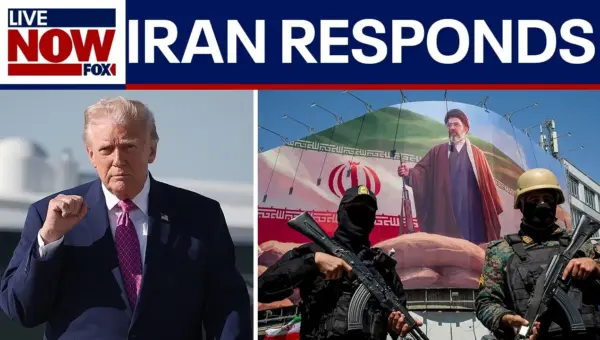
Iran has issued a stern warning against any U.S. military vessels attempting to blockade the Strait of Hormuz, calling it a violation of a ceasefire. The U.S. blockade aims to cut off Iran's oil revenue, impacting both Iran and China. The situation is at a critical juncture, with potential for further escalation.