Iran-Backed Militia Threatens Press Freedom in Iraq
The recent captivity and release of journalist Shelley Kittleson highlight the growing dangers faced by the press in Iraq, often at the hands of Iran-backed militias. This incident underscores the complex geopolitical dynamics and the ongoing struggle for press freedom in conflict zones worldwide.

Iran-Backed Militia Threatens Press Freedom in Iraq
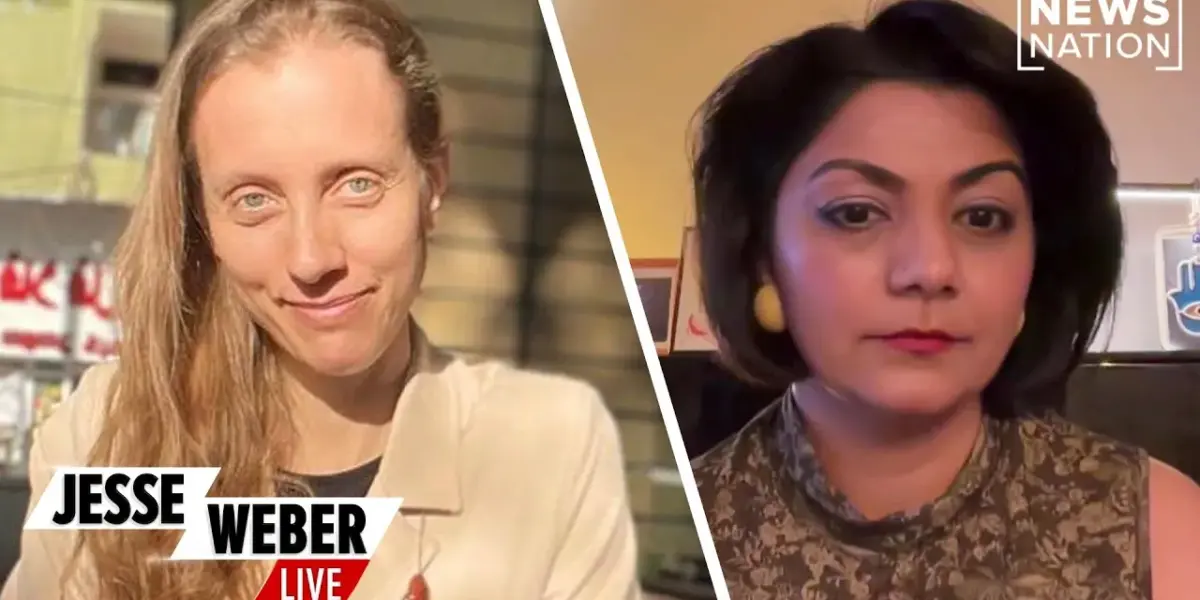
A recent incident involving the captivity and subsequent release of American journalist Shelley Kittleson highlights a growing danger to press freedom in Iraq. Kittleson, who has worked in the Middle East for nearly a decade, was held by an Iran-backed militia group. Her release required complex negotiations involving Iraqi and U.S. officials, as well as intermediaries.
Oz Issues, director of the Coalition for Women in Journalism, confirmed Kittleson’s safe departure from Iraq. Issues noted that the threats Kittleson faced were real and are common for journalists working in the region. The situation underscores the difficulties journalists encounter when reporting from conflict zones and areas with significant non-state actor influence.
Complex Negotiations and Regional Dynamics
The release of Kittleson was not simple. The militia group holding her is known to be backed by Iran, which adds a layer of complexity to negotiations with Iraqi officials. This dynamic shows how Iran’s influence extends into Iraq, affecting local security and the ability of authorities to act freely.
Intermediaries played a crucial role in securing Kittleson’s release. Reports suggest that figures like Tom Barrack, the U.S. Special Envoy in Syria, were involved in the talks between the Iraqis and the militia. This highlights the intricate web of diplomacy required to resolve such sensitive situations.
The Dangers Journalists Face Globally
Kittleson’s ordeal is not an isolated event. Journalists worldwide face increasing risks, especially when covering conflicts or areas with strong criminal or political factions. Issues pointed to ongoing conflicts in Sudan, parts of Africa, and Latin America as examples where press access is difficult and dangerous.
Drug cartels and other non-state actors in regions like Latin America also pose significant threats. These groups can make it hard for journalists to gather information and report freely, often leading to dangerous situations. The international community needs to do more to protect journalists and uphold press freedom.
Why This Reshapes the World Order
The incident involving Shelley Kittleson is more than just a story about one journalist’s safe return. It reveals the complex geopolitical landscape in Iraq and the wider Middle East. The presence and actions of Iran-backed militias demonstrate the ongoing struggle for influence between global powers and regional actors.
This situation directly impacts the freedom of the press, a cornerstone of democratic societies. When journalists cannot report freely, the public’s access to information is limited. This can allow misinformation to spread and make it harder for people to understand critical global events.
Furthermore, the involvement of multiple international and regional players in Kittleson’s release shows how interconnected global security issues are. It highlights the need for cooperation between nations to address threats to safety and stability, even when dealing with complex political differences.
Historical Context
Iraq has a long history of instability and foreign influence, particularly since the U.S.-led invasion in 2003. Various groups, including those supported by Iran, have vied for power and control in the country. This has often created a dangerous environment for anyone, including journalists, trying to operate there.
The concept of press freedom has been a point of contention globally for decades. International laws and agreements aim to protect journalists, but enforcement can be difficult, especially in regions with weak governance or ongoing conflict. Kittleson’s case brings this issue back into the spotlight.
Economic and Political Leverage
While the transcript doesn’t detail specific economic factors, the mention of Iran-backed militias implies a network of financial and logistical support. These groups often rely on external funding and resources, which can be used as political leverage. Sanctions and international pressure can be tools used to influence the behavior of such groups and their sponsors.
The reliance of these militias on external support also means that controlling resources and supply routes can be a point of leverage. The U.S. and other nations may use economic measures to limit the capabilities of groups that threaten regional stability and international norms.
Future Scenarios
One possible future scenario is an increase in international efforts to protect journalists in conflict zones. This could involve stronger diplomatic pressure on governments to ensure the safety of reporters and more coordinated efforts to secure the release of captured media personnel.
Another scenario is that the risks for journalists may continue to grow. If geopolitical tensions rise and non-state actors become more powerful, reporting from dangerous areas could become even more perilous. This would require journalists to adopt stricter safety protocols and rely more heavily on trusted local contacts.
A third possibility is that the incident could lead to greater scrutiny of Iran’s role in Iraq and its support for various militia groups. This might result in increased diplomatic pressure or further sanctions aimed at curbing Iran’s regional influence.
Source: US journalist Shelly Kittleson leaves Iraq after release from captivity | Jesse Weber Live (YouTube)

Related Articles
Vance Meets Pakistan PM Amid U.S.-Iran Tensions
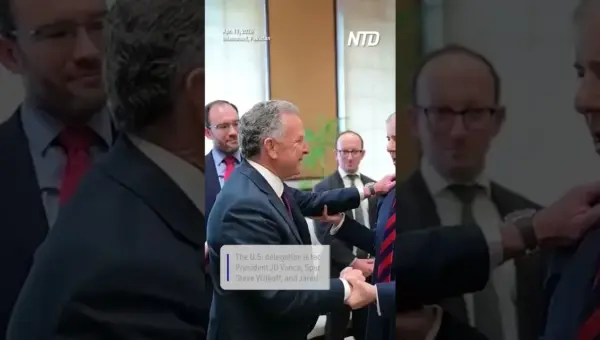
U.S. Vice President JD Vance met with Pakistan's Prime Minister in Islamabad shortly before crucial U.S.-Iran talks. The meeting highlights Pakistan's strategic importance and ongoing diplomatic efforts in a sensitive region.
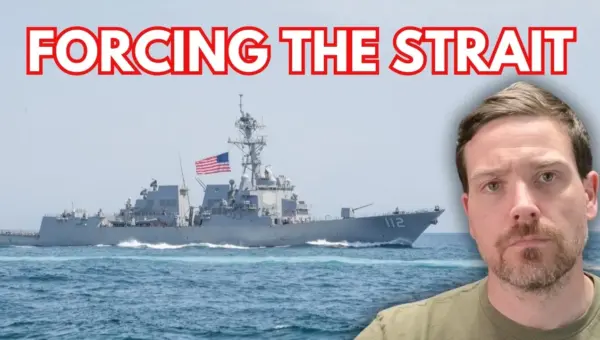
US Warship Tests Iran’s Resolve in Key Strait
A U.S. Navy warship's uncoordinated transit through the Strait of Hormuz is seen as a U.S. display of strength amid ongoing Iran-U.S. talks. Iran claims the ship was forced back, while U.S. officials assert freedom of navigation. This event, alongside Iran's list of non-negotiable demands, signals a complex negotiation landscape with high stakes for regional stability.
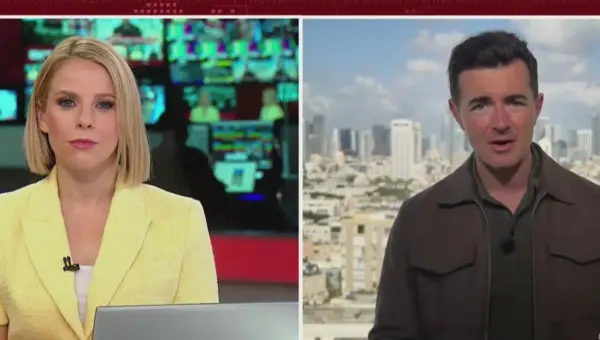
Iran Talks Stall Amid Lebanon Strikes, Strait of Hormuz Tensions
High-level U.S.-Iran talks are underway but face major hurdles, including ongoing Israeli strikes in Lebanon and lingering disputes over the Strait of Hormuz. Iran demands asset unfreezing and a Lebanon ceasefire, while the U.S. focuses on securing vital shipping lanes.