California’s Warmer Spring Fuels Rattlesnake Surge
Southern California's unusually warm spring has led to a surge in rattlesnake bites, with Ventura County reporting six incidents already this year. Two people have tragically died, highlighting the dangers. Experts explain that warmer weather brings snakes out earlier to mate, increasing encounters. Safety advice emphasizes awareness, avoiding brush, and staying calm if a snake is spotted.

California’s Warmer Spring Fuels Rattlesnake Surge
Southern California is experiencing an unusually warm spring. This warmer weather has brought rattlesnakes out earlier and more frequently than normal. Ventura County has seen a significant increase in rattlesnake bites. So far this year, six people have been bitten. This is already two-thirds of the total bites reported throughout all of last year. The situation has become deadly for some. Two of the six victims sadly did not survive their encounters.
Deadly Encounters Highlight Dangers
The risks are very real. Gabriella Battista, 46, died five days after being bitten by a rattlesnake. Julian Enrique Hernandez, 25, passed away after a month-long struggle in intensive care. Both were simply out hiking when they encountered the venomous snakes. These incidents serve as a stark reminder of the dangers present in areas where rattlesnakes live.
Expert Advice for Safety
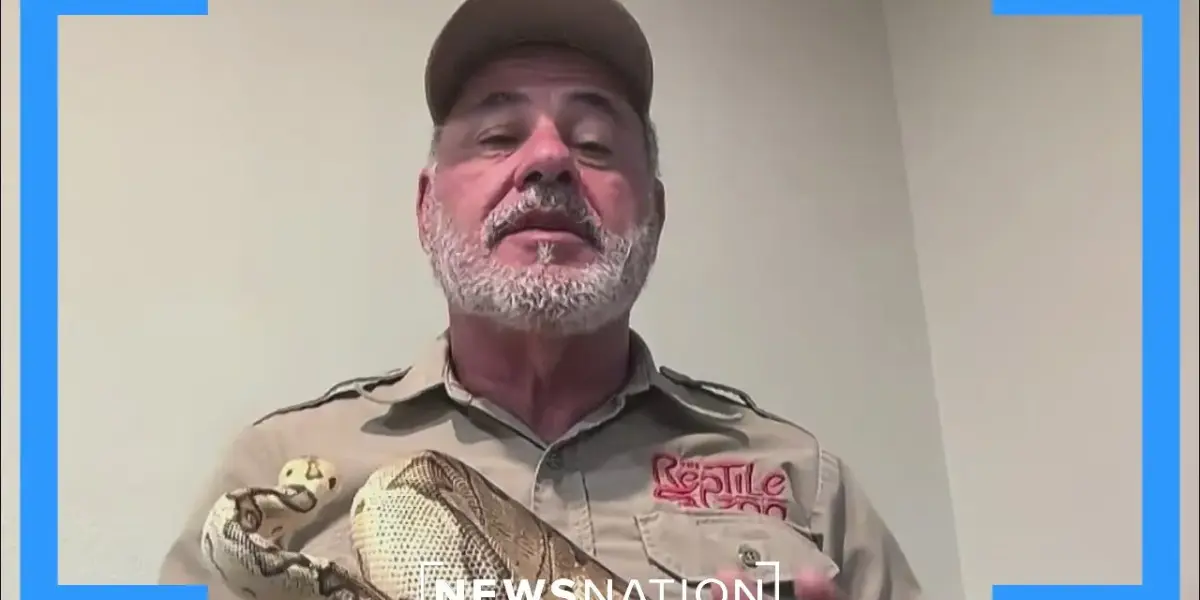
To understand more about rattlesnake behavior and safety, Jay Brewer, founder of The Reptile Zoo in Fountain Valley, California, shared his insights. Brewer is known for his educational work with reptiles and amphibians, reaching millions through social media. He explained that spring is a natural time for snakes to be more active. They come out to find mates. This increased activity means more chances for people to accidentally encounter them.
Understanding Snake Behavior
Brewer stressed that rattlesnakes are not aggressive hunters of humans. They do not chase people down. Most bites happen when people accidentally step on them or get too close. Snakes bite as a defense mechanism when they feel threatened. The rattling sound from their tail is a warning sign. It means the snake feels cornered and is preparing to strike. This is their last line of defense before biting.
Safety Tips for Encounters
When hiking or spending time outdoors in rattlesnake territory, awareness is key. Brewer advises people to be aware of their surroundings. Avoid walking through thick brush, especially during this time of year. Always watch where you step, particularly around rocks. If you see a rattlesnake, the most important thing to do is stay calm. Do not run, as this could lead you to step on another snake. Slowly back away from the snake’s location. Trying to kill or confront a rattlesnake greatly increases the risk of being bitten.
Immediate Action After a Bite
If someone is bitten by a rattlesnake, quick medical attention is crucial. There is no reliable way to delay the venom’s effects with items people might carry. The best course of action is to remain as calm as possible. Get to a hospital as fast as you can. Medical professionals have effective antivenom treatments. Prompt treatment significantly improves the chances of recovery. Rattlesnakes are only trying to defend themselves. If you leave them alone, they will usually leave you alone.
Global Impact
Why This Reshapes the World Order
While this specific event focuses on rattlesnake bites in California, it touches on broader themes of human-wildlife interaction and environmental changes. The increase in snake bites is linked to warmer weather, a symptom of ongoing climate shifts. These shifts are altering ecosystems worldwide. They force animals to adapt their behaviors, sometimes leading to increased conflict with humans. As habitats change and temperatures rise, similar issues could emerge in other regions. This highlights the need for understanding and adapting to a changing natural world. It also points to the importance of public education on wildlife safety in affected areas.
Historical Context
Human-Wildlife Coexistence Through Time
Humans and venomous snakes have shared environments for millennia. Ancient cultures often viewed snakes with a mix of fear and reverence. Many early societies developed traditions and knowledge about local wildlife to ensure survival. This included understanding snake habitats and behaviors. Modern science continues this effort, using education and research to minimize conflict. The current situation in California is a contemporary example of this age-old challenge. It shows how environmental changes can reintroduce or intensify these historical interactions.
Economic Leverage
No Direct Economic Factors in This Event
This particular event involving rattlesnake bites is not directly tied to economic factors like sanctions, trade, or energy routes. However, broader environmental changes that contribute to such incidents can have indirect economic consequences. For example, impacts on tourism or agriculture in affected regions could occur. But in the immediate context of rattlesnake bites, the focus is purely on public safety and ecological balance.
Regional Alliances and Power Balances
Local Safety and Ecological Balance
The situation in Ventura County involves local authorities, wildlife experts, and the public. It is a matter of regional safety and managing the balance between human activity and the natural environment. There are no international alliances or power plays involved. The primary concern is ensuring the safety of residents and visitors who may encounter rattlesnakes due to changing environmental conditions.
Future Scenarios
Adapting to a Changing Climate
One likely scenario is that warmer springs become more common due to climate change. This could lead to more frequent rattlesnake activity and bites in California and similar climates. Public education and safety measures will need to adapt. Another scenario is that conservation efforts focus on understanding and managing snake habitats. This could help reduce human-snake conflict by creating safe zones. It is also possible that advancements in medical treatment continue to improve outcomes for bite victims. The likelihood of these scenarios depends on global efforts to address climate change and local strategies for wildlife management.
Source: California reports surge in rattlesnake bites | Jesse Weber Live (YouTube)

Related Articles

Stranded Whale ‘Timmy’ Sparks Debate on Rescue Efforts
A young whale, nicknamed Timmy, has become the center of a difficult ethical debate after repeatedly becoming stranded off the German coast. Experts are weighing the best course of action, facing tough choices between intervention and allowing nature to take its course. Timmy's struggle highlights broader issues in whale conservation, including the impact of increased whale populations and climate change on marine ecosystems.


Trump Envisions Grand Archway Near D.C.
Former President Donald Trump is proposing a monumental 250-foot arch near Arlington National Cemetery. The design features a golden Lady Liberty and lions, aiming for a grand national symbol. This project follows his past efforts to alter historic White House sites.


Iran Talks Stall Amid Lebanon Strikes, Strait of Hormuz Tensions
High-level U.S.-Iran talks are underway but face major hurdles, including ongoing Israeli strikes in Lebanon and lingering disputes over the Strait of Hormuz. Iran demands asset unfreezing and a Lebanon ceasefire, while the U.S. focuses on securing vital shipping lanes.