US-Iran Ceasefire Falters Amid Strait of Hormuz Tensions
Just 40 days into the conflict in Iran, a two-week ceasefire faces immediate challenges as the U.S. and Iran accuse each other of violations. Key disagreements over Lebanon and the critical Strait of Hormuz threaten the fragile peace, with Iran reportedly limiting ship traffic. As a new U.S. negotiating team prepares for talks, the situation remains tense and uncertain.

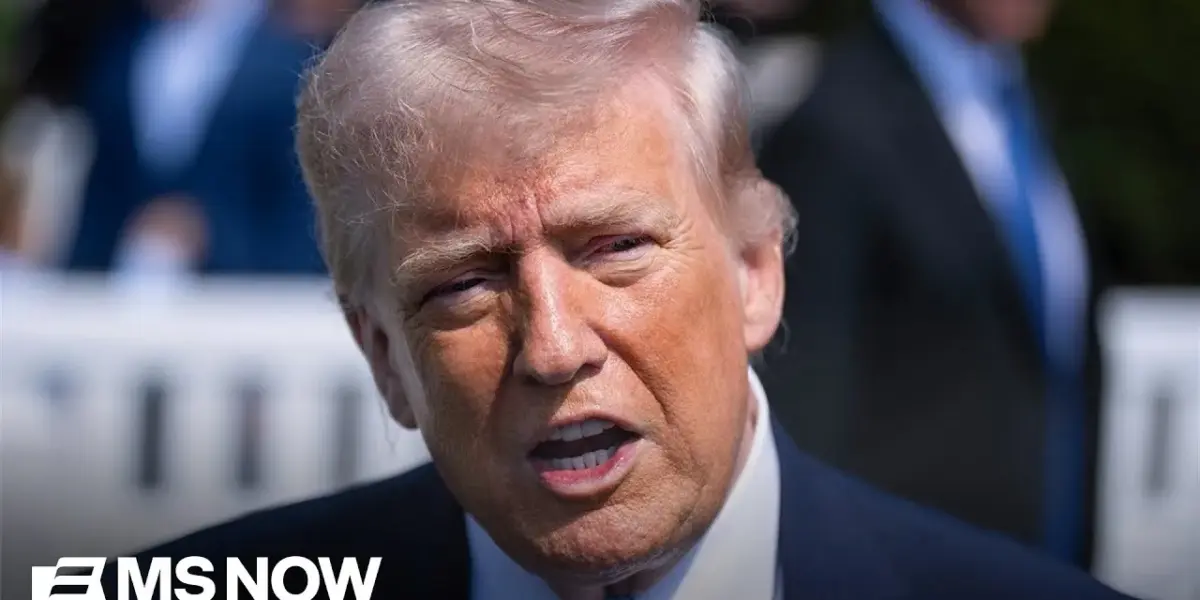
Ceasefire in Jeopardy Just Days After Announcement
Forty days into the conflict in Iran, cracks are already appearing in the two-week ceasefire announced by President Trump. The fragile peace, declared just last night, faces immediate challenges as both sides accuse each other of violations. Defense Secretary Pete Hegseth initially declared victory, framing the operation as over. However, this optimistic outlook quickly clashed with reality as Iran accused the U.S. of breaking key ceasefire points.
Disagreements Over Lebanon and Strait of Hormuz
A major point of contention is the inclusion of Lebanon in the ceasefire agreement. President Trump stated that Lebanon was not part of the deal due to the presence of Hezbollah. Conversely, Iran’s foreign minister asserted that Lebanon was indeed covered by the terms. This disagreement has significant implications, as Iran’s state media reported a complete closure of the Strait of Hormuz in response to perceived violations.
The White House, through Press Secretary Caroline Levitt, has denied Iran’s claims about the Strait of Hormuz, calling the reporting false. Levitt stated that traffic in the Strait has actually increased. However, new reports suggest the opposite: Iran is tightening its control over the vital waterway. Before the war, over a hundred ships passed through the Strait daily, according to The Wall Street Journal. In stark contrast, only four ships were permitted passage today, the lowest number this month, as reported by The New York Times. This dramatic reduction highlights Iran’s increasing leverage and control over global shipping.
New Negotiating Team Announced Amidst Confusion
Adding to the complex situation, the White House announced that Vice President J.D. Vance will lead a new negotiating team for talks scheduled this weekend. The team will also include Steve Whitkoff and Jared Kushner. This development comes as world leaders watch anxiously, trying to understand the true status of the ceasefire and the potential for renewed conflict.
Expert Analysis: Strait of Hormuz is Key
David Rode, senior national security reporter for MSNBC, emphasized the critical importance of the Strait of Hormuz. He stated that the failure of the administration to plan for Iran’s potential control of the Strait is a significant issue. Rode believes the entire ceasefire hinges on resolving the situation in the Strait. He expressed surprise that the administration did not anticipate this and noted the lack of allied involvement, explaining that U.S. resources alone are insufficient to counter Iranian control.
“The importance of the Strait is clearer than ever. The failure of the administration to plan for Iran to take over the Strait of Hormuz, and right now the ceasefire all rests on resolving the Strait of Hormuz.”
David Rode, MSNBC Senior National Security Reporter
Israel’s Role and Misaligned Goals
The report also revealed that Israel was informed late about the ceasefire and expressed displeasure, particularly regarding the inclusion of Lebanon. According to Rode, Israel has a major interest in military actions in Lebanon, while the U.S. does not. He suggested that Israel has been guiding U.S. policy, even influencing President Trump. The article implies that Trump, eager for a deal, may have agreed to terms without fully informing or consulting Israel, possibly based on a hastily drawn proposal.
During an interview three weeks prior, President Trump had assured that U.S. and Israeli interests were 100 percent aligned. However, current events suggest a significant divergence. This lack of alignment raises questions about the effectiveness of U.S. foreign policy and its coordination with key allies.
Iran’s Accusations and Uranium Enrichment
Further complicating the ceasefire, Iran has leveled several accusations against the U.S. The speaker of the Iranian parliament stated that attacks on Lebanon should not occur, implying it was part of their agreement. Iran also accused the U.S. of sending a drone into its airspace. Most significantly, Iran maintains its right to enrich uranium, a critical issue that has long been a point of international concern and a potential trigger for further conflict.
These points—Lebanon, uranium enrichment, and the control of the Strait of Hormuz—are seen as highly dangerous elements that could destabilize the region and derail any hopes for lasting peace, despite Trump’s apparent desperation for a ceasefire agreement.
Looking Ahead
As the weekend negotiating sessions approach, the world will be watching closely. The ability of the new U.S. delegation to bridge the significant gaps in understanding and intent with Iran, particularly concerning the Strait of Hormuz and uranium enrichment, will be crucial. The coordination, or lack thereof, with allies like Israel will also play a vital role in determining whether this fragile ceasefire can hold or if the conflict will escalate further.
Source: World leaders watch anxiously as cracks emerge in fragile U.S., Iran ceasefire (YouTube)

Related Articles


Trump’s Iran War Fuels Inflation, Strains Alliances
Donald Trump's recent military actions in Iran are being blamed for a significant rise in U.S. inflation and increased gas prices, impacting consumer confidence. The conflict has also strained relationships with key international allies, leading to diplomatic friction and questions about the future of alliances like NATO.

Artemis II Splashdown Signals US Space Race Dominance
The Artemis II mission's precise splashdown highlights NASA's space exploration leadership and the U.S. commitment to returning to the Moon. This success reinforces America's position in a renewed global space race.

Vance Navigates Iran Crisis Amidst Trump’s Conflicting Statements
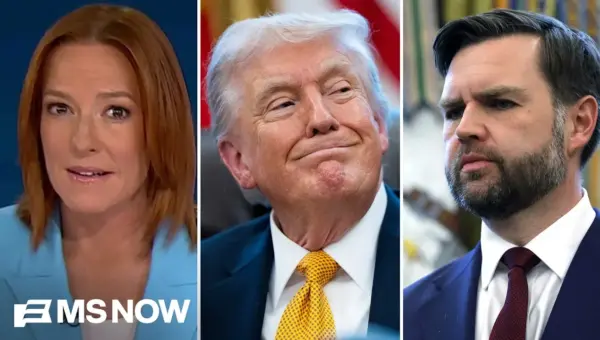
A US delegation is in Pakistan for critical talks with Iran aimed at reopening the Strait of Hormuz, a key global oil route. The mission comes as rising gas prices and inflation strain the US economy. Former President Trump's conflicting statements and J.D. Vance's described role add complexity to the high-stakes negotiations.