Trump’s Iran Policy Sparks Global Chaos, Critics Warn
President Trump's Iran policy has been met with widespread criticism, with analysts calling the situation a "complete catastrophe." Iran now appears to control the Strait of Hormuz, charging tolls and impacting global energy markets. The U.S. president's rhetoric and the confusion surrounding a recent ceasefire deal have damaged America's international standing and strategic position.

Trump’s Iran Policy Sparks Global Chaos, Critics Warn
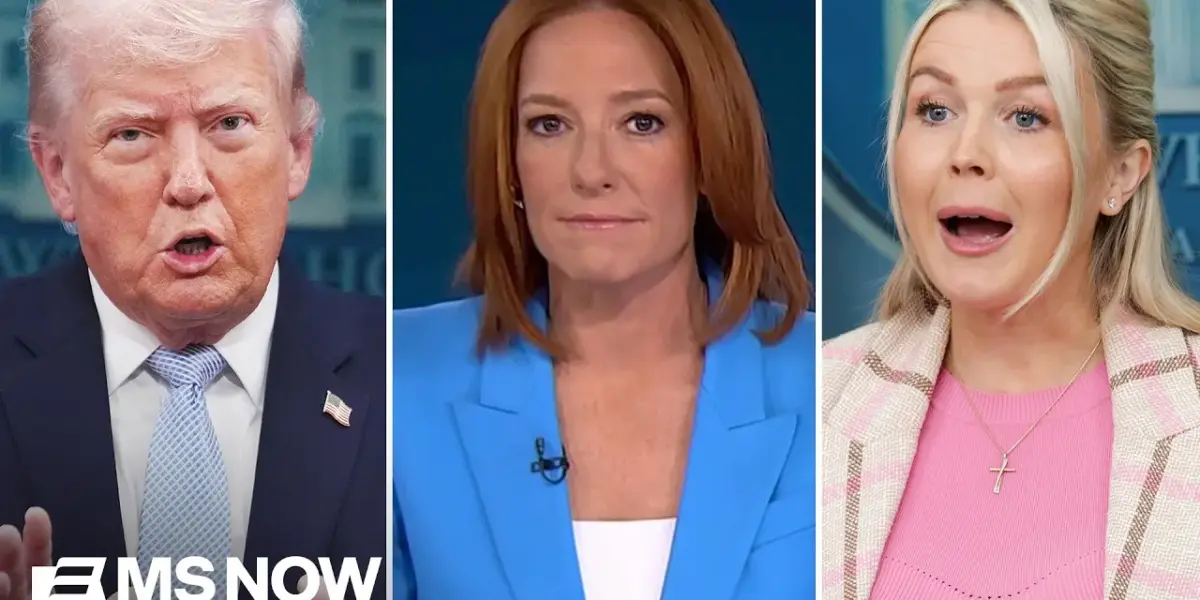
President Trump’s recent actions regarding Iran have led to widespread international criticism, with many describing the situation as a “complete catastrophe.” A press briefing at the White House revealed confusion and a lack of clear answers regarding a supposed ceasefire deal between the United States and Iran. Reporters sought clarity on key issues, including Iran’s apparent control over the Strait of Hormuz and the U.S. president’s rhetoric towards the Iranian civilization.
Iran Controls Key Waterway Amidst Conflict
A statement from the Iranian government indicated that passage through the Strait of Hormuz would be coordinated with Iran’s armed forces. This has led to questions about who truly controls the vital waterway. According to analysts, Iran’s assertion means they will charge tolls or accept bribes to allow ships to pass. This practice effectively gives Iran control over the strait, a situation that did not exist before President Trump initiated military action.
“Iran is now making money off of Trump’s war and very much controlling the strait,” one observer noted. This situation has significant implications for global trade and energy supplies, as the Strait of Hormuz is a critical chokepoint for oil transportation.
Rhetoric Threatens U.S. Moral Standing
President Trump’s threat to “destroy Iran’s civilization” has also drawn sharp condemnation. Critics argue that threatening an entire civilization, rather than just a government, undermines the United States’ historical role as a moral leader. Wars have traditionally been fought against governments, not against the people or cultures of a nation.
“The President of the United States threatening to kill an entire civilization is unprecedented,” stated one commentator. This rhetoric is seen as unhinged, embarrassing, and damaging to America’s international reputation. This sentiment is shared across the political spectrum, including among Democrats, Republicans, and even some within the “MAGA” movement.
Netanyahu’s Influence and Ceasefire Confusion
Concerns have also been raised about Israeli Prime Minister Netanyahu’s potential role in escalating the conflict. Reports suggest Netanyahu may have convinced Trump to start the war. Following a supposed ceasefire agreement, Israel launched significant attacks on Lebanon, claiming Lebanon was not part of the deal. This has led to confusion and accusations that Netanyahu is trying to derail any peace efforts.
The Pakistani Prime Minister, acting as a mediator, had specifically mentioned that the ceasefire would also apply to Lebanon. However, within hours, Israel launched major attacks. U.S. officials, like J.D. Vance, have attempted to downplay the discrepancy, calling it a “misunderstanding.” Many observers find these explanations “sketchy.”
Global Economic Fallout and Strategic Setbacks
Congressman Jim Himes, the top Democrat on the House Intelligence Committee, described the situation as a “complete catastrophe” from a strategic standpoint. He explained that while the U.S. military may have achieved tactical victories, like sinking Iranian naval assets, the broader consequences are dire.
The Iranian regime has emerged stronger and more unified, controlling the Strait of Hormuz and impacting the global economy. Countries in Asia, such as the Philippines, Thailand, and Malaysia, are experiencing economic shutdowns and four-day workweeks due to energy shortages. Even U.S. allies in the Gulf region, like Bahrain and the UAE, find themselves in a “smoking combat zone” instead of pursuing cultural development.
Meanwhile, European allies question the U.S. strategy, while Russia profits from increased oil sales, using the revenue to fund its war in Ukraine. The U.S. is even seeking help from Ukraine to counter Iranian drones.
Iran Achieves Strategic Wins
Contrary to initial expectations, Iran has not only survived but achieved strategic wins far beyond its wildest dreams. This includes controlling the Strait of Hormuz and charging shipping companies tolls. Despite military setbacks, the Iranian regime’s primary goal was survival, which it has achieved.
The situation also increases the motivation for Iran to pursue nuclear weapons, as Israel feels more vulnerable. For Iranian expatriates who hoped for a democratic uprising, President Trump’s talk of business deals with the Iranian regime is deeply disillusioning.
Lack of Strategy and Desperate Spin
Critics argue there was no coherent strategy behind the Trump administration’s actions. Instead, it appears to have been a reactive approach driven by the need to de-escalate rising oil prices. The Pakistani-brokered deal, with its demands for U.S. reparations and continued Iranian control of the Strait of Hormuz, is seen as a desperate attempt to save face.
“There is no master strategy here,” one analyst stated. “J.D. Vance and the President’s people are just desperately trying to put lipstick on this pig.” The conflict has led to rising oil prices and a closed Strait of Hormuz, with no clear path forward.
Looking Ahead
As negotiations are set to take place, the effectiveness of U.S. leadership, particularly J.D. Vance’s role, remains uncertain. The ongoing confusion over ceasefire terms and the U.S. administration’s attempts to spin the narrative suggest a challenging road ahead in resolving the crisis and restoring stability to the region and global markets.
Source: 'Complete catastrophe': Trump faces widespread consequences for Iran blunder (YouTube)

Related Articles

Oil Price Shock Fuels Inflation; Fed Stays Put, Analyst Says
Soaring oil prices are the main driver behind March's inflation spike, not a sign of deeper issues, according to analyst Joseph Travisani. He believes the Federal Reserve will likely hold interest rates steady due to this temporary effect. However, regaining market confidence for oil prices to fall could take time, even if supply routes reopen.


Iran’s Regime: A Stubborn Threat to Global Order
Iran's current regime is compared to a persistent cancer, challenging the global order and unlikely to become a peaceful neighbor. While state media showcases support, half the population opposes the government and faces severe risks for dissent. This internal division and external challenge create a complex and uncertain future.


Artemis II Astronauts Safely Return to Earth
The Artemis II crew safely returned to Earth, marking a historic milestone in lunar exploration. Meanwhile, inflation continues to rise amid Middle East tensions, impacting global markets. Developments also emerged in the Bahamas missing person case and a close call at LAX.