Iran’s Ceasefire Offer: A Risky Gamble for Global Stability
A recent two-week truce in the Iran conflict is viewed with deep skepticism by Middle East analyst Cheyenne Sammy. Iran's 10-point proposal is deemed unacceptable and unrealistic, potentially serving as a tactic to buy time rather than a genuine path to peace. The analyst argues that ignoring human rights abuses and focusing only on trade routes like the Strait of Hormuz is a dangerous oversight.

Iran’s Ceasefire Offer: A Risky Gamble for Global Stability
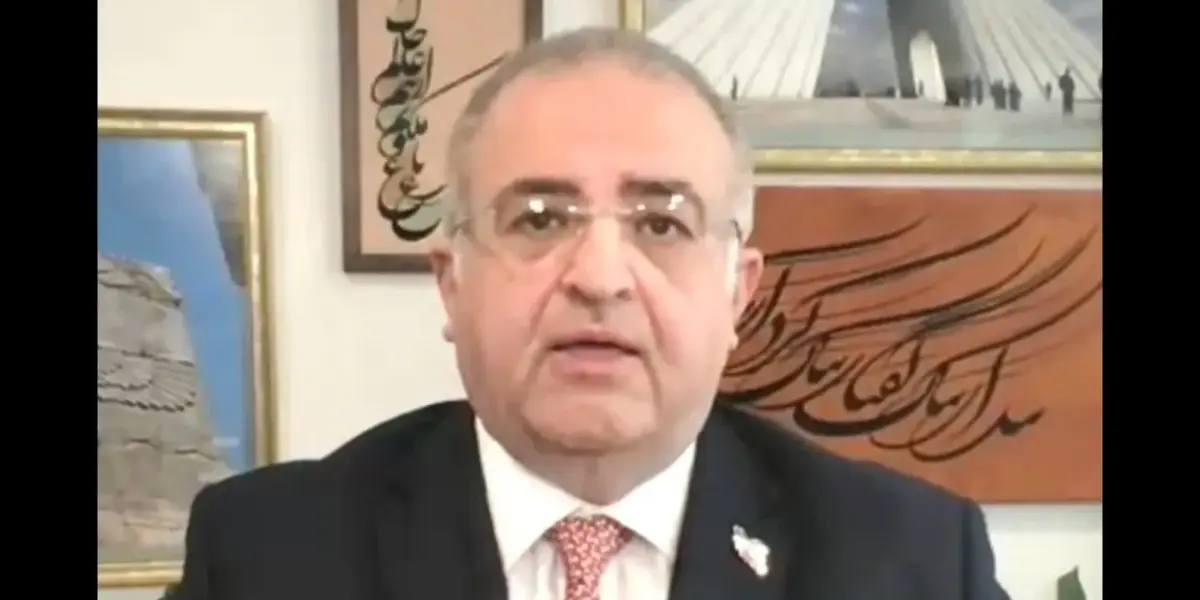
A recent two-week truce in the Iran conflict has been met with a mix of celebration and deep skepticism. While some world leaders have hailed the pause in fighting, a closer look at Iran’s proposed 10-point plan reveals significant issues. National security and Middle East analyst Cheyenne Sammy argues that this proposal is not only unacceptable to the US and Israel but also unrealistic in its demands.
Unpacking Iran’s Demands
Iran’s 10-point plan includes several key points that are major sticking points for the US and its allies. These include a guarantee of non-aggression from the US, Iran’s right to enrich uranium, the lifting of all sanctions, and the cancellation of UN and IAEA resolutions. Iran also seeks compensation for war damages and the withdrawal of US military forces. Furthermore, they want an end to attacks on their allies, particularly in Lebanon, and a binding UN Security Council resolution for any deal.
Sammy points out that these demands are fundamentally at odds with the US’s own 15-point plan. The focus for many celebrating the ceasefire, like global leaders concerned about oil and trade, seems to be solely on the Strait of Hormuz. However, this overlooks the ongoing human rights abuses within Iran. Even as the truce was announced, reports indicated the execution of young people, highlighting the regime’s continued repression.
A Strategic Pause, Not Lasting Peace
The analyst suggests that this ceasefire is unlikely to lead to lasting peace. Instead, it appears to be a tactic for Iran to buy time and regroup. Sammy predicts the two-week truce may not even last 72 hours, citing Iran’s continued missile attacks on neighboring countries like Kuwait, Qatar, and Saudi Arabia, as well as towards Israel. This aggression shows Iran’s intent to pursue its agenda despite the ceasefire.
While the US may also seek this pause to refocus and recalibrate, the gap between the two proposed plans is too wide. Crucially, the ceasefire does not address the severe human rights violations against the Iranian people. This omission, Sammy argues, is a critical oversight that world leaders are failing to prioritize.
Weakened but Resilient Regime
Despite the Pentagon reporting strikes on over 13,000 targets, the Iranian regime has indeed been weakened. The loss of its supreme leader and the obscurity of his successor point to internal instability. The current president is largely unpopular, and there are evident rifts between the chief of the IRGC militia and the speaker of the parliament. Various militia groups further complicate any potential move towards normalizing relations with the West.
Significant damage has been inflicted on Iran’s command and control, leadership, and military capabilities. However, the concept of ‘regime change’ as discussed by US officials might be misunderstood. True political change requires a new government, constitution, and system of governance, which has not occurred. The conflict, according to Sammy, can only be resolved by removing the entire leadership structure, allowing the Iranian people to establish a new system.
A Path to Resolution?
Sammy proposes a strategy to dismantle the Iranian regime’s ability to survive. This includes continued targeted attacks on top leadership, controlling key economic assets like the oil terminals on Kar Island, and securing strategic islands controlling the Strait of Hormuz, such as Larak and Abu Musa. Additionally, removing enriched uranium from Iranian soil is seen as vital.
While airstrikes can achieve many of these goals, the presence of US troops on the ground would solidify the effort. Gulf Arab nations are reportedly willing to support a US-led military campaign with aerial support. This combined approach, along with potential Israeli targeted attacks on leadership in Tehran, could empower the Iranian people to rise up and take matters into their own hands.
Controlling the Strait of Hormuz
The Strait of Hormuz remains a critical flashpoint. Iran’s ability to block passage is limited but its threats, such as mining the sea, are significant given the waterway’s narrowness. The analyst dismisses Iran’s attempts to control the strait with speedboats and warns against allowing the regime to maintain control. Proposals for Iran to charge passage fees are seen as a way to fund further aggression.
Sammy advocates for international control of the Strait of Hormuz, suggesting it be placed in the hands of an international organization. This would prevent any single entity, including the Iranian government, from blocking passage and ensure global trade routes remain open.
China and Russia’s Complicated Roles
The recent blocking of a UN resolution aimed at protecting the Strait of Hormuz by Russia and China highlights their complex roles. China’s action is seen as a signal of support for Iran, but with a condition: Iran must allow ships to pass through the Strait to ensure China’s access to cheap oil. Reports suggest Chinese officials pressured the Iranian leadership on this issue.
Russia, meanwhile, benefits from the shift in focus away from the Ukraine war. By supporting Iran at the UN Security Council, Russia gains leverage and allows itself more freedom of action in Ukraine. However, Sammy suggests this support is not unconditional and could end if the international community successfully removes Iran as a primary state sponsor of terrorism. This, in turn, could allow the world to refocus its attention on Ukraine and help achieve victory there.
Why This Matters
The current situation in Iran presents a critical juncture for global security and human rights. Iran’s demands, coupled with its continued aggression and internal repression, suggest a strategy of defiance rather than genuine de-escalation. The international community faces a difficult choice: prioritize immediate stability and trade, or address the root causes of conflict and human rights abuses.
Implications and Future Outlook
The analyst’s assessment points to a future where the current ceasefire is fragile and likely to break. Iran’s strategic goals, including its nuclear ambitions and regional influence, remain unchanged. The involvement of major powers like China and Russia adds layers of complexity, potentially prolonging conflicts and distracting from other critical global issues like the war in Ukraine.
The long-term outlook depends on whether the international community can unite to address Iran’s destabilizing actions and support the aspirations of the Iranian people for a different future. Without a comprehensive strategy that includes holding the regime accountable for its actions and supporting internal change, the region risks further instability and conflict.
Source: Iran’s 10-point Proposal Is Unacceptable and Unrealistic: Middle East Analyst (YouTube)

Related Articles
Kirby: US-Iran War Not a Victory, Peace Talks Crucial
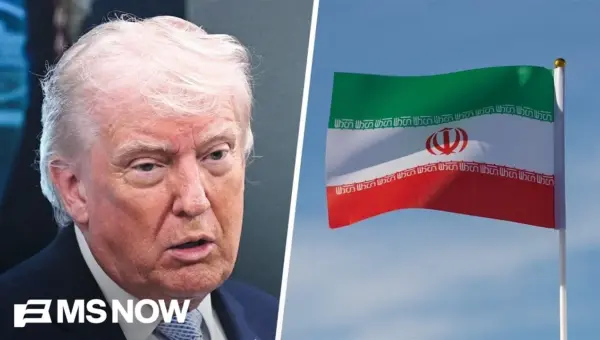
Retired Rear Admiral John Kirby stated that the recent conflict with Iran cannot be called a total victory, as key objectives remain unmet, including the full opening of the Strait of Hormuz. Ahead of crucial peace talks, Kirby emphasized the importance of a negotiated settlement to end regional threats and ensure the Iranian regime becomes responsive to its people.
Iran Uses Strait of Hormuz to Pressure Israel-Lebanon Truce
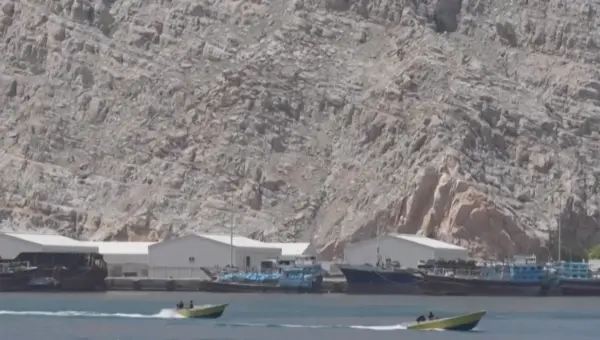
The Strait of Hormuz remains largely blocked with over 3,000 ships waiting, despite a ceasefire agreement. Escalating conflict in Lebanon and Iran's demands for asset release and a Lebanese ceasefire are jeopardizing peace talks. This disruption impacts global energy markets and highlights the region's strategic importance.

Trump Hints at Military Buildup Amidst Iran Talks
Former President Donald Trump has signaled increased military readiness amid critical Iran negotiations in Pakistan. Discussions focus on Iran's nuclear program and regional conflicts, while Trump's rhetoric may aim to boost the defense industry. Hardware technology, especially AI, shows medium-term promise.