Artemis II Captures Stunning Milky Way: A Cosmic Preview
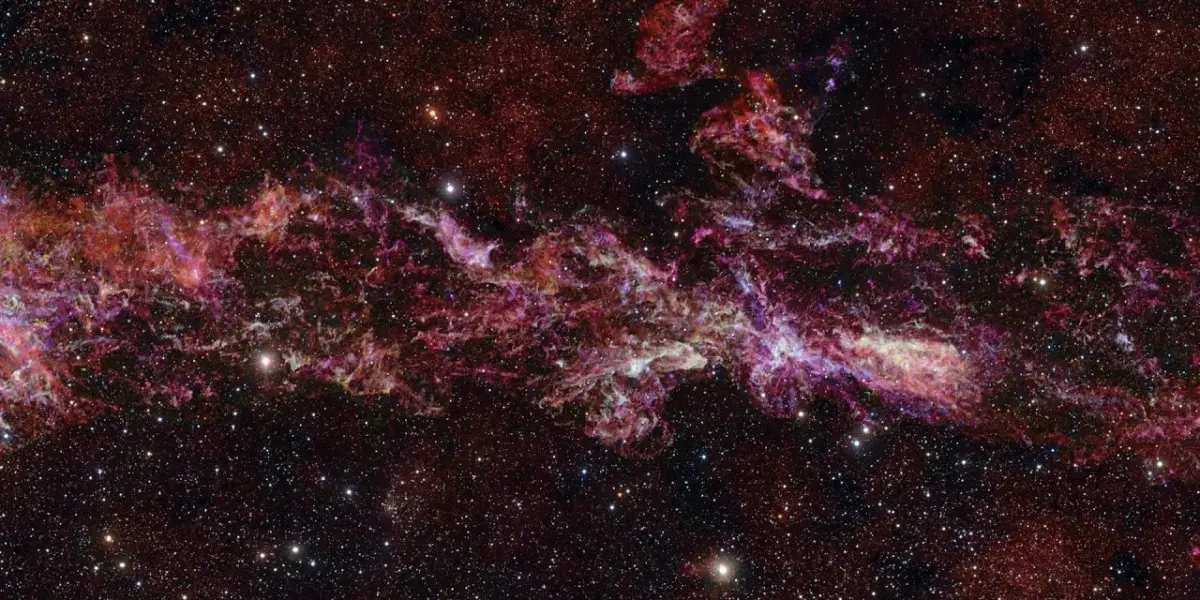
NASA's Artemis II astronauts captured a stunning new image of the Milky Way from lunar orbit. The mission also highlighted challenges in space photography and onboard systems, providing valuable lessons for future deep space exploration.

Artemis II Captures Stunning Milky Way: A Cosmic Preview
NASA has given us a breathtaking new glimpse of our own Milky Way galaxy. The image, captured by the astronauts aboard the Artemis II mission, offers a view from near the moon. This stunning photo was taken on the seventh day of the crew’s 10-day journey. It shows the incredible beauty of our galaxy from a unique vantage point.
The astronauts on Artemis II received special training for photography before their flight. This preparation clearly paid off. NASA officials expressed pride in the crew’s work, noting the significant public interest in their images. “We’re going to send them a note that says how great their photos were and how much the world is talking about them,” one official mentioned. This highlights the mission’s success not just in space exploration but also in public engagement.
Challenges and Triumphs in Space Photography
Taking photos from space is not always easy. The astronauts faced difficulties, particularly with capturing images during a solar eclipse on the far side of the moon. The automatic camera settings struggled with the limited light available around the moon’s edge. To overcome this, the crew had to take many pictures at different light settings. This careful approach ensured they got the best possible shots, demonstrating their skill and adaptability.
Resolving Onboard Issues
Beyond the stunning visuals, the Artemis II mission also dealt with technical challenges. The only toilet on board experienced issues, but NASA reported that it remains operational. The main problem involved emptying the wastewater tank. The vent system was not working as expected, forcing the crew to use backup methods. While resolved for the mission’s duration, it points to the complex engineering needed for long-duration space travel.
Preparing for Return
As the Artemis II mission nears its end, preparations are underway for the crew’s safe return to Earth. Teams have already gathered in the Pacific Ocean. A joint NASA and military crew is aboard the USS John P. Murtha. They are ready to recover the astronauts once their capsule splashes down. The splash landing is scheduled for Friday at 8:07 p.m. Eastern time. This recovery operation is a critical part of ensuring the crew’s safety after their journey.
Why This Matters
The Artemis II mission, though a test flight, carries significant weight. It’s a crucial step in NASA’s larger plan to return humans to the moon and eventually travel to Mars. The stunning images shared, like the Milky Way photo, serve a dual purpose. They inspire the public and showcase the incredible capabilities of our astronauts and spacecraft. These visuals connect us to the vastness of space and remind us of humanity’s drive to explore. Furthermore, the mission’s success in overcoming technical hurdles, like the toilet issue, provides valuable data for future, longer missions. Learning to manage waste and operate complex systems reliably is essential for deep space exploration.
Historical Context and Future Outlook
This mission builds upon decades of space exploration. From the early Apollo missions that first landed humans on the moon to the continuous presence on the International Space Station, each step expands our knowledge. Artemis II is a direct descendant of these efforts, aiming to establish a sustainable presence on the moon. The training astronauts receive, the technology they use, and the challenges they face are all informed by past missions. The future outlook is ambitious. NASA plans to use the experience gained from Artemis II to launch Artemis III, which will land the first woman and next man on the moon. This is not just about planting a flag; it’s about learning to live and work in space for extended periods, paving the way for missions to Mars. The images captured by Artemis II are more than just pretty pictures; they are snapshots of our ongoing journey into the cosmos.
The successful completion of the Artemis II mission, including its scientific observations and technical problem-solving, will pave the way for future deep space endeavors. The data gathered and the lessons learned are invaluable. They will shape the design of future spacecraft, the training of astronauts, and the overall strategy for lunar and Martian exploration. The world watches with anticipation as humanity continues to push the boundaries of what is possible.
Source: NASA Shares New Image of Milky Way Captured by Artemis II (YouTube)

Related Articles

Astronauts Inspire Nation on Historic Moon Journey Home
Lawmakers connected with the Artemis II astronauts as they prepared for re-entry, praising their inspiring journey around the moon. The crew shared personal reflections and a commitment to future space exploration, highlighting the mission's unifying impact.

Artemis II Nears Earth; Vance to Lead US-Iran Talks
NASA's Artemis II mission is nearing its critical splashdown, with the crew preparing for a high-speed return to Earth. Simultaneously, Vice President JD Vance is set to lead U.S.-Iran talks in Pakistan aimed at securing a ceasefire. Meanwhile, a federal court will review the legality of President Trump's global tariffs.


Artemis II Mission Sparks Cosmic Debate: Are We Alone?
Artemis II mission's upcoming journey sparks conversations on space exploration and the possibility of extraterrestrial life. Hosts Symone Sanders-Townsend and Eugene Scott discussed the mission's significance and the vastness of the universe, questioning humanity's solitude among the stars.