US Crushes Iran’s Military Power, But Nuclear Threat Lingers
The US has inflicted severe damage on Iran's military and industrial capabilities, destroying key defense systems and production facilities. While hailed as an operational success, the strategic implications, particularly regarding Iran's nuclear ambitions and ideology, remain uncertain. A ceasefire offers a temporary pause, but the path to lasting peace is complex.

US Delivers Devastating Blow to Iran’s Military Might
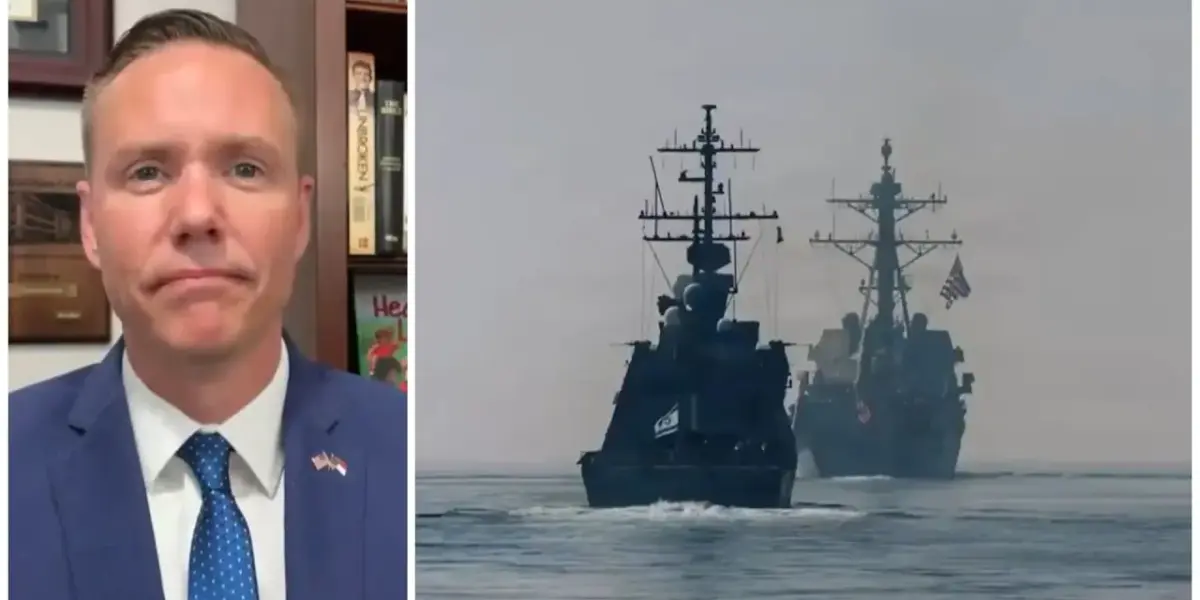
The United States has achieved a stunning military victory against Iran, crippling its defense systems and naval forces. According to General Dan Cain, Chairman of the Joint Chiefs of Staff, the operation successfully destroyed 80% of Iran’s defense systems and 90% of its regular navy fleet. The damage also extends to 50% of their small boat fleet and over 2,000 command centers. This military success leaves Iranian commanders in a difficult position, struggling to operate with significantly reduced capabilities.
Iran’s Industrial Base Decimated
Beyond immediate battlefield losses, the operation has fundamentally undermined Iran’s ability to rebuild its military. Reports indicate that 90% of Iran’s weapons factories and 80% of its missile facilities have been hit. Furthermore, 20 shipbuilding facilities were damaged or destroyed, and a staggering 80% of their nuclear industrial base has been impacted. General Cain stated that Iran’s capacity to restore these capabilities has been set back for years to come.
Operational Success vs. Strategic Uncertainty
Colonel Josh McConkey, a US Air Force Reserve Colonel, acknowledged the operation’s immense success. He described it as an “all hands on deck” effort, showcasing unparalleled tactical brilliance from the Navy, Air Force, and Marines. However, Colonel McConkey also cautioned that this operational victory does not equate to a strategic end to the conflict. He pointed out that 47 years of the regime’s ideology and its global network of proxies cannot be erased by military strikes alone. The question remains whether Iran’s core ideology and its role as a state sponsor of terrorism will change.
The Lingering Nuclear Question
A key objective of the operation was to dismantle Iran’s nuclear program. While 80-90% of the nuclear industrial base was destroyed, Colonel McConkey raised concerns about the fate of nuclear scientists, their expertise, and Iran’s underlying will to pursue nuclear weapons. He emphasized that even with destroyed facilities, the knowledge and intent can persist, making this a critical area for future focus. The ease with which Iran has enriched uranium in the past suggests a persistent ambition that military action alone may not extinguish.
Ceasefire: A Pause, Not an End
The current ceasefire is viewed as a temporary pause rather than a definitive end to hostilities. Colonel McConkey explained that changing deep-seated ideology is a far greater challenge than degrading military hardware. He believes this two-week pause will be crucial in observing Iran’s next moves and assessing whether the regime will break down or stubbornly cling to its radical ideology. The loss of 50 to 80 top Iranian leaders, including figures like Soleimani, has significantly disrupted their command and control structure, creating uncertainty about who is making decisions.
Diplomatic Efforts and US Non-Negotiables
White House Press Secretary Karoline Leavitt discussed the complexities of the peace negotiations. She clarified that initial Iranian proposals were deemed unserious and were discarded. A revised, more condensed plan was later presented, which the US found to be a workable basis for negotiation, aligning with America’s own 15-point proposal. Colonel McConkey highlighted that the US prioritizes transparency in diplomacy, but certain core demands are non-negotiable. Paramount among these is Iran’s verifiable commitment to abandon any pursuit of nuclear weapons. Additionally, Iran must cease its development and proliferation of drone and other advanced weapons technology. The US views Iran’s past actions, particularly concerning the nuclear program under the Obama administration, as evidence of duplicity, suggesting they may not fully comply with agreements.
Lebanon Excluded from Ceasefire
The press secretary also confirmed that Lebanon is not part of the ceasefire agreement. This means Israel’s continued actions against Hezbollah in Lebanon are proceeding independently. Colonel McConkey stated that this should come as no surprise to Iran, as Hezbollah has been a long-standing threat to Israel’s security. Israel has the right to defend itself and neutralize threats, and the exclusion of Lebanon from the ceasefire was clearly communicated from the outset.
Ensuring a Nuclear-Free Iran
To prevent Iran from ever developing nuclear weapons, the US strategy involves dismantling its nuclear infrastructure. The Trump administration had previously offered to supply Iran with medical-grade nuclear materials for energy purposes, an offer that was rejected. Colonel McConkey stressed that destroying and dismantling all nuclear facilities is essential. Furthermore, allowing international investigators unfettered access to evaluate Iran’s nuclear activities is critical. Iran’s history of shutting out inspectors and enriching uranium to near weapons-grade levels indicates a persistent pursuit that requires strict international oversight.
Air Superiority: A Clear Advantage
Colonel McConkey confirmed that the US has achieved complete air superiority over Iran. Iranian forces have not engaged in any fighter jet battles, and their air defense capabilities have been largely destroyed. While there’s still a risk of “lucky shots” from shoulder-fired missiles or small arms fire, particularly for helicopters, the US military can operate with relative freedom. He recalled flying rotary-wing operations in Iraq in 2007, where Iranian technology was used to shoot down eight aircraft in just two weeks, highlighting the dangers that still exist but are now significantly mitigated by current US dominance.
Why This Matters
The scale of the military destruction inflicted upon Iran is a significant geopolitical event. It demonstrates the United States’ formidable military capabilities and its willingness to use them to achieve strategic objectives. However, the lingering threat of Iran’s nuclear ambitions and its ideological entrenchment present a complex challenge. The effectiveness of the ceasefire in de-escalating regional tensions and the long-term implications of Iran’s weakened state on global terrorism and regional stability remain critical questions. The success of diplomatic efforts will hinge on Iran’s willingness to genuinely abandon its pursuit of nuclear weapons and its support for proxy groups, a commitment that has historically been questionable.
Implications and Future Outlook
The future outlook suggests a prolonged period of strategic competition rather than outright conflict. Iran, severely weakened militarily, may become more unpredictable, potentially relying more on asymmetric warfare and proxy groups. The international community will be closely watching Iran’s response to the ceasefire and its adherence to any future agreements. The US focus will likely remain on preventing Iran from acquiring nuclear weapons and curbing its destabilizing regional activities. The effectiveness of international sanctions and diplomatic pressure in conjunction with military deterrence will be tested.
Historical Context
The current situation is rooted in decades of complex relations between the US and Iran, marked by the 1979 Iranian Revolution, the hostage crisis, and ongoing tensions over Iran’s nuclear program and support for militant groups. Past attempts at diplomatic engagement, such as the Joint Comprehensive Plan of Action (JCPOA) under the Obama administration, ultimately failed to permanently resolve these issues, leading to renewed tensions and sanctions under the Trump administration. This operation represents a significant escalation of direct military action compared to previous periods of proxy conflict and sanctions.
Source: Panel Reacts: Joint Chiefs Lists U.S. Achievements in Operation Epic Fury; Ceasefire Plan Unclear (YouTube)

Related Articles

NATO Allies Urged to Step Up Support for US
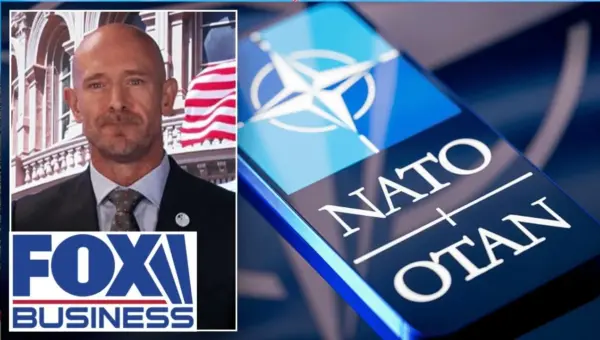
Retired Navy SEAL Mike Cirelli urges NATO allies to increase their support for U.S. international efforts, citing delays in crucial operations. NATO's chief acknowledges past slow responses, while Cirelli emphasizes the need for allies to take greater responsibility for global security, especially concerning energy supplies.


Netanyahu Pushed for Iran Attack; Only Trump Said Yes
John Kerry confirmed that Israeli Prime Minister Benjamin Netanyahu proposed attacking Iran to multiple U.S. presidents. While Barack Obama, George W. Bush, and Joe Biden refused, Donald Trump was the only one who agreed to the plan. This highlights significant differences in foreign policy approaches among U.S. leaders regarding Iran.
Oil Prices Hold Steady Amid Iran Tensions, Inflation Eases
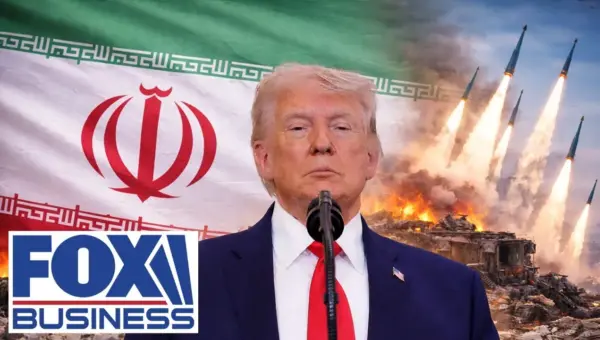
Oil prices remain below $100 a barrel despite rising tensions with Iran, as inflation shows signs of cooling. While diplomatic talks face significant hurdles, Saudi Arabia's pipeline capacity and falling food prices offer some economic stability. Investors remain cautious, weighing geopolitical risks against easing price pressures.