Iran Chokes Strait of Hormuz; US Hits 13,000 Targets
Iran has effectively choked off the vital Strait of Hormuz, threatening to block passage unless demands are met. The U.S. military claims significant successes against Iranian defenses but also suffered substantial aircraft losses. Maritime experts warn of ongoing risks to shipping and the mental toll on stranded seafarers.

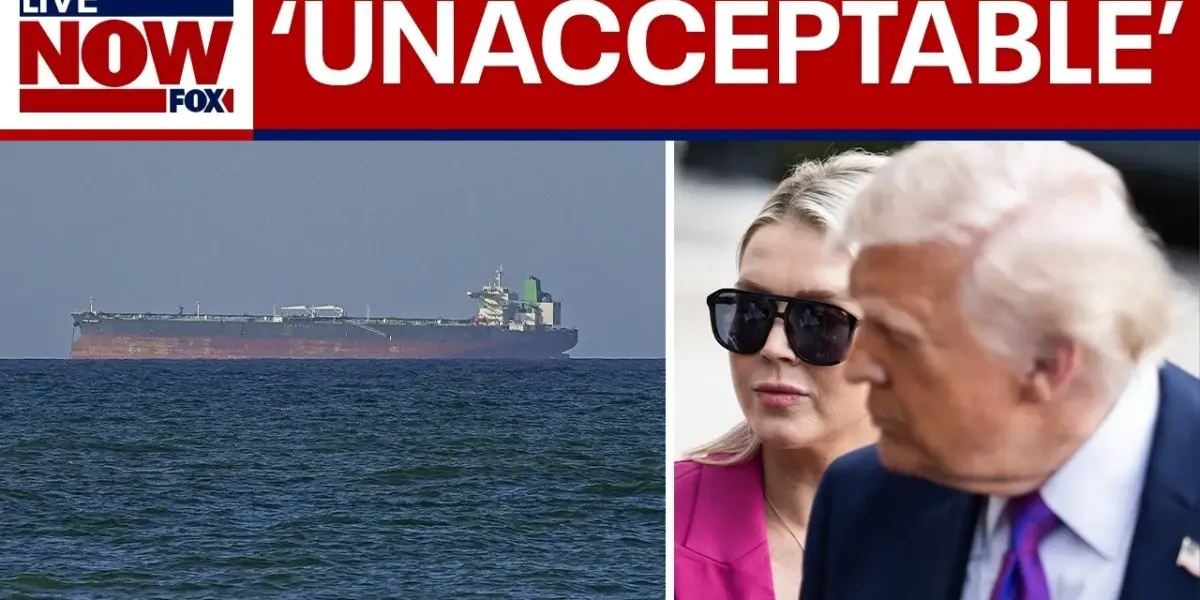
Strait of Hormuz Effectively Closed, White House Calls Iran’s Actions ‘Unacceptable’
The vital Strait of Hormuz is currently “effectively choked off,” according to maritime expert Sal Mercogliano, following Iran’s threat to close the waterway. This development comes just hours after Iran reportedly agreed to a two-week ceasefire. The White House has stated that any closure of the strait is “completely unacceptable.” Iran’s state media announced the potential blockade, linking it to ongoing Israeli attacks on Hezbollah in Lebanon. Additionally, Iran is demanding a toll of $1 per barrel for oil passing through the strait, a move that would significantly impact global shipping.
US Military Claims Massive Successes Against Iranian Defenses
In a recent Pentagon briefing, the Chairman of the Joint Chiefs of Staff detailed the extensive impact of “Operation Epic Fury.” Over 38 days, U.S. forces reportedly struck over 13,000 targets within Iran. The military claims to have destroyed approximately 80% of Iran’s air defense systems. This included strikes on more than 500 air defense targets, over 450 facilities storing ballistic missiles, and 800 sites for one-way attack drones. General Kaine stated that these critical systems are now gone.
Significant US Military Losses Revealed
While the military highlighted its successes, the report also revealed substantial U.S. military losses. The exact percentage of American weapons stockpiles depleted remains unclear. However, the operation resulted in the loss of several high-value aircraft. Three F-15E fighter jets were shot down in a friendly fire incident in Kuwait, and a fourth was downed in Iran. Additionally, one A-10 Warthog, over 16 MQ9 Reaper drones, two MC130J transport planes, and four special operations helicopters were lost. The total cost of these lost American assets exceeds $900 million.
Ceasefire Offers Little Relief for Stranded Vessels
Despite the reported ceasefire, the Strait of Hormuz remains largely impassable for commercial shipping. Mercogliano described the situation as ships being forced to go through an “Iranian toll booth” between Qeshm and Larak Islands. Here, Iranian forces are checking and controlling vessel movement. Many ships are waiting for security guarantees, ensuring they will not be attacked or damaged. Companies are also seeking assurances for the safe passage of their vessels and crews.
Complex Communications and Deterrence Tactics
Communication channels between ship captains, their companies, and Iranian officials are intricate. Ships are coordinating with their companies, which then liaise with Iranian authorities. Reports indicate the use of encrypted communications and currency payments for passage tolls. A VHF radio warning, broadcast on Channel 16, has instructed all ships to stay clear or face attack. Despite these efforts, many countries, including India, Pakistan, Malaysia, and China, have successfully navigated to free some of their vessels. However, nearly a thousand deep-draft vessels are still stuck in the Persian Gulf.
Understanding Iran’s Control Over the Strait
Nona from Delaware asked how Iran is keeping the strait closed, questioning if mining or naval assets are the primary method. Mercogliano explained that while the U.S. has degraded Iran’s military capabilities, closing the strait to unarmed merchant vessels requires less. Drawing parallels to the Red Sea, he noted that even unmanned surface or aerial vehicles can deter ships. The risk of explosion, especially for vessels carrying liquefied natural gas or refined petroleum, is enough to make captains hesitant. Periodic attacks on ships anchored in or around the strait further enhance this deterrence.
Seafarers Face Boredom and Uncertainty
The mental toll on seafarers stuck in the Persian Gulf is significant. Mercogliano highlighted boredom and the disruption of daily routines as major issues. Mariners face difficult decisions about seeking refuge in crowded anchorages or remaining isolated. They also worry about dwindling supplies like fuel, food, and fresh water. Crew changes have become problematic due to issues with air travel. This situation adds to the ongoing hardships faced by mariners, who endured significant challenges during the COVID-19 pandemic.
Iran’s Continued Capabilities Despite Strikes
Even after 38 days of intense U.S. airstrikes, Iran reportedly retains 900 pounds of highly enriched weapons-grade uranium. The nation insists on its right to enrichment and possesses enough drones and missiles to threaten the Strait of Hormuz. Despite significant strikes targeting Iranian leadership and the IRGC, the regime remains in power. The U.S. military, however, maintains a strong presence, with 50,000 service members, 16 warships, and a dozen air squadrons remaining in the region, ready to resume combat operations if ordered.
Looking Ahead
The coming days will be critical in determining the future of maritime traffic through the Strait of Hormuz. International pressure on Iran is expected to mount, while diplomatic efforts to ensure safe passage will likely intensify. The world will be watching to see if a lasting resolution can be found to prevent further escalation and secure this vital global energy route.
Source: Iran's Strait of Hormuz closure 'completely unacceptable,' WH says (YouTube)

Related Articles


NATO Allies Urged to Step Up Support for US
Retired Navy SEAL Mike Cirelli urges NATO allies to increase their support for U.S. international efforts, citing delays in crucial operations. NATO's chief acknowledges past slow responses, while Cirelli emphasizes the need for allies to take greater responsibility for global security, especially concerning energy supplies.


Iran Nuclear Talks Heat Up Amid Ceasefire Concerns
The White House is clarifying its stance on Iran's nuclear program, emphasizing that enrichment is off the table. Meanwhile, a high-level delegation is heading to Pakistan for critical talks amid reports of continued hostilities and the alleged closure of the Strait of Hormuz, testing a fragile ceasefire.


US-Iran Talks Falter Amid Hormuz Standoff, Ceasefire Strain
A fragile ceasefire between the US and Iran is under severe strain as tensions rise over the critical Strait of Hormuz. Both nations accuse each other of violating the terms of a recent deal, while international efforts to secure the vital shipping lane intensify. Crucial peace talks are underway in Pakistan, but deep-seated distrust and maximalist demands from both sides cast doubt on the likelihood of a comprehensive agreement.