AI Chatbots Now Answer Health Questions, Doctors Warn
A growing number of adults are turning to AI chatbots for health advice, a trend raising concerns among medical professionals. While convenient and inexpensive, AI tools have shown inaccuracies in diagnosing serious medical conditions, prompting warnings from doctors and potential regulatory action.

AI Becomes Go-To for Health Advice
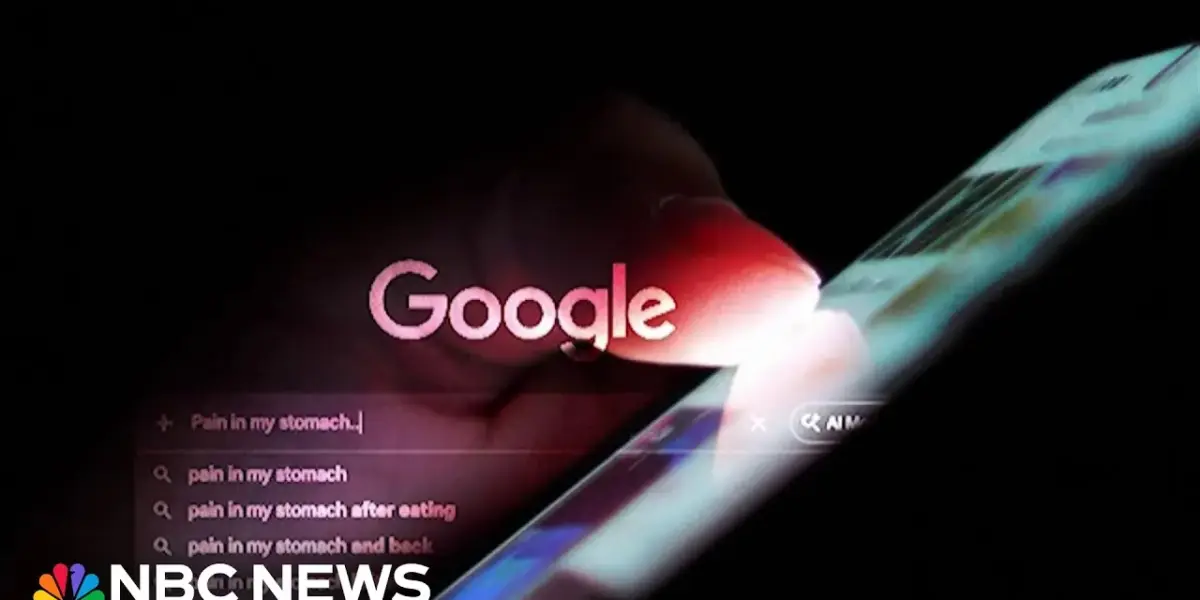
More and more people are turning to artificial intelligence, or AI, for answers to their health questions. Instead of calling a doctor, many are asking AI chatbots for advice. This growing trend has medical professionals concerned, even as AI tools become more popular for everyday tasks like writing emails and planning trips.
A recent survey from KFF, a health research group, found that about one-third of adults now use AI chatbots for health information. This is about the same number of people who get their health news from social media. Some users are even praising AI for its help. “The whole asking Chat to act as my medicine doctor really helped me,” said one user.
Why People Turn to AI for Health
Several factors are driving this shift. The increasing cost of healthcare and the difficulty many people face in getting timely doctor’s appointments are major reasons. People are looking for quicker ways to find information or a substitute for traditional medical visits. “I am so busy, so I just don’t have any time to go into the doctor’s office,” explained one person. Others cited the cost of doctor visits and co-pays as a barrier. “My co-pay at the doctor, I don’t want to pay for that,” they added.
Liz Hamel, a senior vice president at KFF, noted that most people use AI for general health questions. This includes looking up symptoms. However, some individuals are using AI to understand test results before they even hear back from their own doctors. “One of the things that I found really surprising is that a lot of people are using these tools and not following up with a doctor,” Hamel stated.
AI’s Medical Accuracy Questioned
While AI offers convenience, its accuracy in providing medical advice is a serious concern. A study published in the journal Nature found that ChatGPT, a popular AI chatbot, missed more than half of emergency medical cases. These included serious issues like severe diabetes complications and respiratory failure. The chatbot also suggested unnecessary care for about 65% of non-urgent cases.
OpenAI, the company behind ChatGPT, responded by saying the study doesn’t show how the tool is typically used. They stated it’s designed for follow-up questions, not as a primary source for medical scenarios. Despite this, the study’s findings raise alarms about relying on AI for critical health decisions.
Doctors and Regulators Respond
Doctors are not enthusiastic about the trend of people using AI for medical advice. Some states are considering new laws to prevent AI chatbots from pretending to be licensed professionals like doctors. New York is one such state looking into legislation. Supporters of AI argue that such bans are just protectionism and hurt consumers.
However, some doctors acknowledge the potential benefits of AI. They point out that physicians themselves are starting to use AI tools. “They are convenient, they’re inexpensive, they’re pretty smart, and they probably know more than the patient would know,” commented Dr. Robert Walker, author of the book Giant Leap, which discusses AI. “But they can be hazardous if we’re not careful,” he cautioned.
The Future of AI in Healthcare
Dr. Walker believes AI could help transform the healthcare system by addressing many unmet needs. He sees the combination of advanced technology and the needs of modern medicine as very powerful. “Medicine has so many unmet needs. If we don’t use AI, I think the combination of the magic of the technology and what medicine needs to do is a really very powerful combination,” he said.
The trend highlights existing gaps in healthcare access and affordability. Younger adults, Black and Hispanic adults, and those without health insurance are more likely to use AI for health information. While using the internet for health questions is not new, AI tools are making the process seem easier and more sophisticated. However, experts stress that AI should be used thoughtfully and is not a replacement for professional medical care. If you are concerned enough to ask AI, it is still best to follow up with a doctor.
Source: Social media trend shows people turning to AI chatbots to answer medical questions (YouTube)

Related Articles


GOP Eyes Healthcare Cuts For War Funding
A proposal to cut healthcare for hundreds of thousands of Americans to fund potential military action in Iran has drawn sharp criticism. The White House response to questions about the plan has been called a "non-answer," suggesting the option remains on the table. This raises concerns about national priorities and who should bear the cost of war.

Doctors Strike Again: Pay Dispute Threatens NHS Services
Resident doctors are launching a six-day strike next week, marking their 16th walkout since March 2023, as a pay dispute with the government remains unresolved. Doctors are demanding their salaries be restored to 2008 levels, arguing that the NHS is critically understaffed and underfunded. The NHS is preparing for potential monthly strikes throughout the year.

NHS Masters Strike Management, But Patient Care Still Suffers
The NHS has developed a strong capacity to manage strike actions, leading to surprisingly efficient operations during industrial disputes. However, this adaptation comes at a cost, with patient care still significantly disrupted and staff morale suffering under immense pressure.