Middle East Ceasefire Falters Amid Iran-US Accusations
A fragile Middle East ceasefire is already under fire, with Iran accusing the U.S. and Israel of violations. Fighting has erupted in Lebanon, and Iran has again closed the Strait of Hormuz, creating significant global uncertainty. Wall Street initially reacted positively, but political and military disagreements threaten the peace talks scheduled for this weekend.


Ceasefire Under Strain Hours After Implementation
A fragile ceasefire in the Middle East is already facing serious challenges just 24 hours after taking effect. Tensions flared as Iran accused the United States and Israel of violating the agreement, leading to new fighting and confusion over the deal’s scope. Explosions were reported across Lebanon, a nation now at the center of the debate surrounding the truce.
Lebanon Conflict Ignites Ceasefire Dispute
Israel launched significant attacks in Lebanon, which it claims are not covered by the ceasefire. President Trump described these actions as a “separate skirmish.” However, Iran insists that Lebanon is part of the broader ceasefire agreement. This disagreement marks a critical early hurdle, as full peace talks have yet to begin. The situation in Lebanon has been particularly devastating, with Lebanese civil defense reporting at least 254 people killed and over 1100 wounded in Israeli attacks. Israel stated it was targeting Hezbollah, but acknowledged that the group embeds itself in residential areas.
Strait of Hormuz Closure Adds to Uncertainty
Adding to the instability, Iran announced it has closed the Strait of Hormuz, a vital global oil passageway. This move further shakes the foundation of the ceasefire agreement. Despite Iran’s announcement, the White House stated that publicly declared actions differ from private observations. Tracking data from Marine Traffic indicated at least three ships passed through the strait since the ceasefire began, with four oil tankers present. The U.S. has not definitively accepted Iran’s collection of tolls for passage.
Wall Street Reacts Positively to Ceasefire Hopes
Despite the growing uncertainty, financial markets reacted with optimism. Wall Street celebrated the potential end to the conflict, with oil prices plummeting by 16% – the largest single-day drop since 2020. This market reaction occurred just days before in-person peace talks are scheduled to take place in Pakistan this weekend. The U.S. delegation for these talks includes Vice President J.D. Vance, Special Envoy Steve Witkoff, and former Senior Advisor Jared Kushner.
Iran-Hezbollah Alliance Explained
The conflict involves Hezbollah, a militia organization that began in the 1980s and receives funding and arms from Iran. Hezbollah has acted as a proxy militia, launching rockets at Israel for weeks. Israel responded with significant military action, targeting Hezbollah’s capabilities. The current situation highlights the complex relationship between Iran and groups like Hezbollah, which Israel views as a major security threat.
Political Divide on Handling Iran
Discussions among political figures reveal a split on the approach to Iran. Some conservatives, including podcast host Tucker Carlson and Senator J.D. Vance’s ally Oren Cass, have criticized President Trump’s threats against Iran’s civilian infrastructure, calling it a “terrible mistake.” They advocate for foreign policy restraint and question Israel’s significant influence on U.S. foreign policy decisions. Conversely, others, like Tiffany Smiley, emphasize the need for a strong stance against Iran, citing its history of sponsoring terrorism and its nuclear ambitions. They argue that President Trump is the only leader with the courage to confront Iran directly, aiming to dismantle its missile capabilities and stop its proxy wars.
Economic Repercussions and Future Outlook
The immediate economic impact of the ceasefire announcement was a significant drop in oil prices. However, relief at the gas pump may not be immediate. Experts suggest prices could fall below $4 a gallon in the coming weeks, but unlikely to return to pre-war levels soon due to damaged supply infrastructure. The conflict’s effects could also extend to food prices, as fertilizer costs remain high. Airlines have also increased baggage fees, citing soaring jet fuel costs. The full reopening of the Strait of Hormuz is seen as crucial for significant price reductions. Experts warn that rebuilding damaged energy facilities could take months or even years, indicating that the war’s economic consequences may linger.
Key Sticking Points for Peace Talks
As delegations prepare for talks in Pakistan, several critical issues remain unresolved. The U.S. and Iran are far apart on who will control the Strait of Hormuz and whether Iran will hand over its enriched uranium. The U.S. military has stated it would intervene to secure the strait if necessary. The ongoing confusion and disagreement over the ceasefire’s terms suggest that achieving lasting peace will be a difficult and complex process.
Looking Ahead
The coming days will be critical as the U.S. delegation heads to Pakistan for peace talks. Observers will be watching closely to see if the participants can bridge the significant gaps in their positions, particularly regarding the Strait of Hormuz and Iran’s nuclear program. The fragile nature of the current ceasefire and the ongoing disputes highlight the challenges ahead in establishing lasting stability in the Middle East.
Source: Top Story with Tom Llamas – April 8 | NBC News NOW (YouTube)

Related Articles

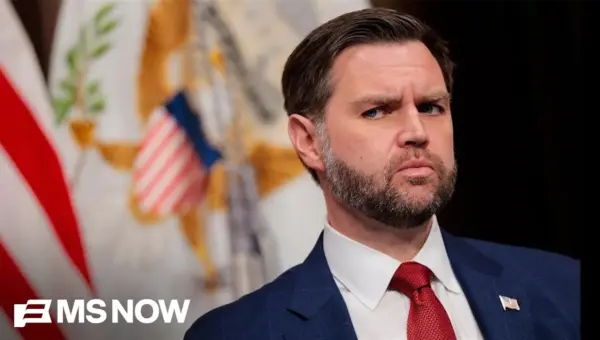
VP Vance Leads Crucial Iran Talks Amidst Complex Challenges
Vice President Vance is leading critical U.S. negotiations with Iran in Pakistan, aiming to end a regional conflict. The talks face significant hurdles, including ongoing Israeli actions in Lebanon and disruptions in the Strait of Hormuz, which Iran increasingly controls. Internal White House dynamics and unclear negotiating instructions add further complexity to the high-stakes discussions.
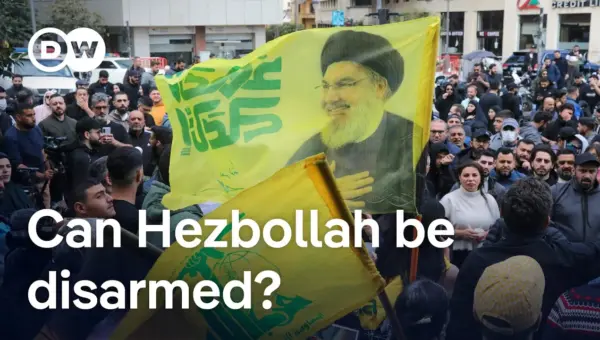
Israel, Lebanon Eye Ceasefire Talks on Hezbollah
Ceasefire talks between Israel and Lebanon, brokered by the U.S., are set to begin in Washington to address the demobilization of Hezbollah. The group's dual role as a political party and powerful militant force, deeply integrated into Lebanese society and backed by Iran, presents significant challenges to disarmament efforts. Analysts suggest a lasting resolution is unlikely in the near future.
Trump Pivots to Business with Iran Amidst Global Chaos
Amidst confusing reports from Iran, Donald Trump has shifted focus to a potential business deal involving the Strait of Hormuz. His suggestion of a "joint venture" with Iran has drawn criticism for prioritizing potential personal profit over complex geopolitical issues.