China Orchestrates Iran Ceasefire, Securing Vital Oil Routes
China has reportedly brokered a ceasefire between the US and Iran, securing the vital Strait of Hormuz for its oil shipments. This move highlights Beijing's growing diplomatic influence and its commitment to protecting its economic interests.

China Orchestrates Iran Ceasefire, Securing Vital Oil Routes
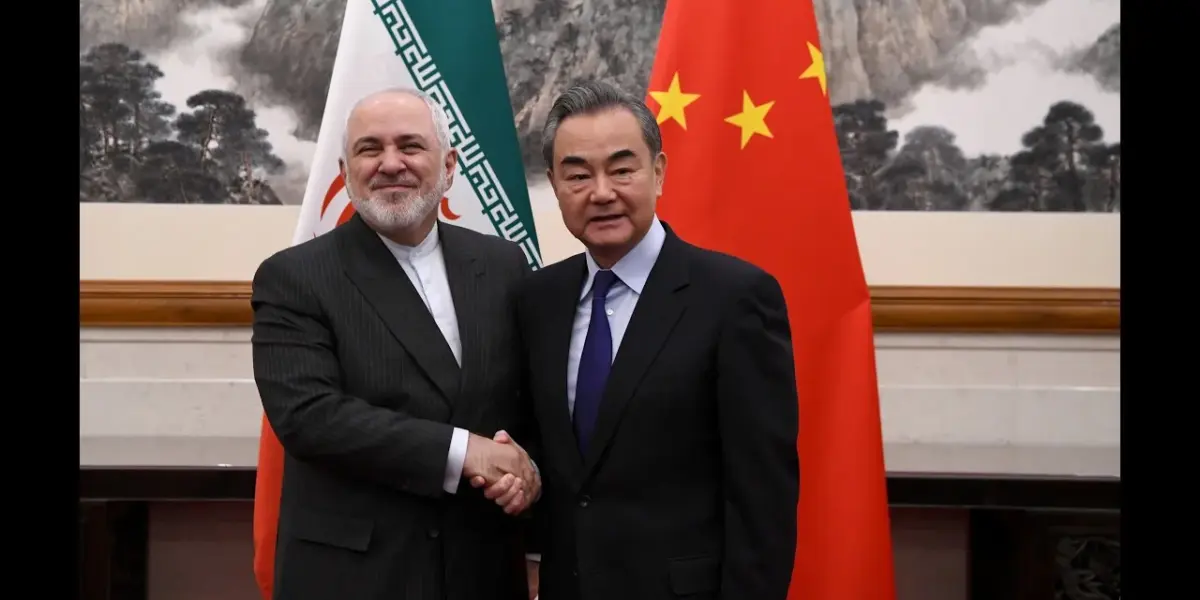
In a surprising turn of events, China has reportedly played a crucial role in brokering a ceasefire deal between the United States and Iran. This agreement, aimed at reopening the vital Strait of Hormuz, comes after weeks of escalating tensions. The deal was announced shortly after President Trump issued a stern warning to Iran. However, behind the scenes, China appears to have been the quiet force pushing for de-escalation.
US and Iran Reach Tentative Agreement
President Trump had threatened severe consequences if Iran did not agree to a ceasefire and reopen the Strait of Hormuz. Hours later, Iran’s foreign minister announced a two-week pause in conflict, with the possibility of reopening the critical waterway. Following Iran’s statement, President Trump softened his stance, withdrawing threats to attack Iranian infrastructure. Both sides are now set to negotiate a peace plan in Islamabad, with Vice President JD Vance leading the U.S. delegation.
China’s Hidden Hand Revealed
While Iran’s official statement made no mention of China’s involvement, a New York Times report, citing three Iranian officials, revealed that Beijing urged Iran to be flexible and reduce tensions. This last-minute push from China was instrumental in reaching the agreement. The White House press secretary also confirmed that high-level discussions between the U.S. and China took place regarding this matter. This suggests a coordinated effort to stabilize a volatile region.
Why This Matters: Global Oil and China’s Interests
The Strait of Hormuz is incredibly important for global trade. About 20% of all oil shipped worldwide passes through this narrow waterway. For China, this figure is even higher, with 40% of its oil shipments relying on this route. The blockage of the Strait for over a month has caused significant turmoil in global oil markets, directly impacting China’s energy security and economy. The situation became more critical when reports emerged that Iran had blocked certain Chinese vessels from transiting the strait.
Iran’s Leverage and China’s Dilemma
China’s Foreign Minister reportedly asked Iran multiple times to ensure Chinese vessels’ safety, but Iran refused. Instead, Iran attempted to use the situation to pressure Beijing for military support. However, China has not provided this support. Analysts believe that doing so would damage China’s reputation as a neutral mediator and could harm its relationship with the Trump administration. This is a risk China is unwilling to take, especially with an upcoming meeting between President Trump and Chinese leadership in May.
Iran’s Limited Options
Iran finds itself in a difficult position, facing pressure from both Washington and Beijing to reopen the Strait of Hormuz. A significant portion of Iran’s sanctioned oil exports, roughly 80% to 90%, are sold to China at discounted prices. These sales, often conducted through a network of smaller, less conspicuous ships, are a lifeline for Iran’s struggling economy. The pressure to resume these oil flows, while also managing international relations, presents a complex challenge for Tehran.
Historical Context and Future Outlook
Tensions in the Strait of Hormuz are not new. This waterway has been a flashpoint for decades, given its strategic importance for global energy supplies. Past incidents have often involved Iran and Western powers, particularly the U.S. China’s increased involvement as a mediator signals a shift in regional dynamics. Beijing is increasingly asserting its influence to protect its economic interests. The success of this ceasefire could pave the way for greater Chinese diplomatic engagement in the Middle East. However, the long-term stability of the region will depend on sustained efforts from all parties involved to de-escalate tensions and find lasting solutions.
Implications for Global Trade and Diplomacy
The reopening of the Strait of Hormuz is a positive development for the global economy. It should help stabilize oil prices and ease supply chain disruptions. China’s role in achieving this outcome highlights its growing importance as a global diplomatic player. This could lead to more instances of China acting as a mediator in international disputes, particularly those affecting its economic interests. The U.S., under President Trump, appears willing to engage with China on certain issues, creating a complex but potentially productive diplomatic environment.
Conclusion: A Fragile Peace
While the ceasefire is a welcome development, it is crucial to recognize its fragile nature. The underlying issues that led to the conflict remain. The success of the upcoming negotiations in Islamabad will be critical in determining the long-term outcome. China’s calculated intervention demonstrates its commitment to securing its energy needs and its increasing influence on the world stage. The coming weeks will show whether this temporary pause in conflict can lead to lasting peace and stability in a vital global shipping lane.
Source: China Reportedly Behind Ceasefire Negotiations Between US and Iran (YouTube)

Related Articles


Strait of Hormuz Tensions Rise: Allies Urged to Step Up
European allies are urged to increase their efforts in securing the Strait of Hormuz, a vital oil transit route. Concerns persist over Iran's nuclear program and regional activities, posing a threat to global stability.


Trump Exploits Iran’s Factional Chaos for Deal
The Trump administration is reportedly exploiting deep divisions within the Iranian regime to gain leverage in ongoing peace talks. By fueling infighting among various factions, the US aims to secure a more favorable deal or weaken its adversaries through internal conflict. This strategy also extends to pressuring China economically by disrupting its access to discounted oil.
Iran’s Stark Choice: Surrender or Face Destruction
A senior analyst states Iran must choose between total surrender or annihilation. Khosro Isfahani highlights conflicting media reports and urges awareness amidst potential conflict. This stark choice has significant global implications.